Phi already has a daughter from his first marriage. He recently experienced reduced vitality and libido. A urological examination revealed no sperm in his semen sample.
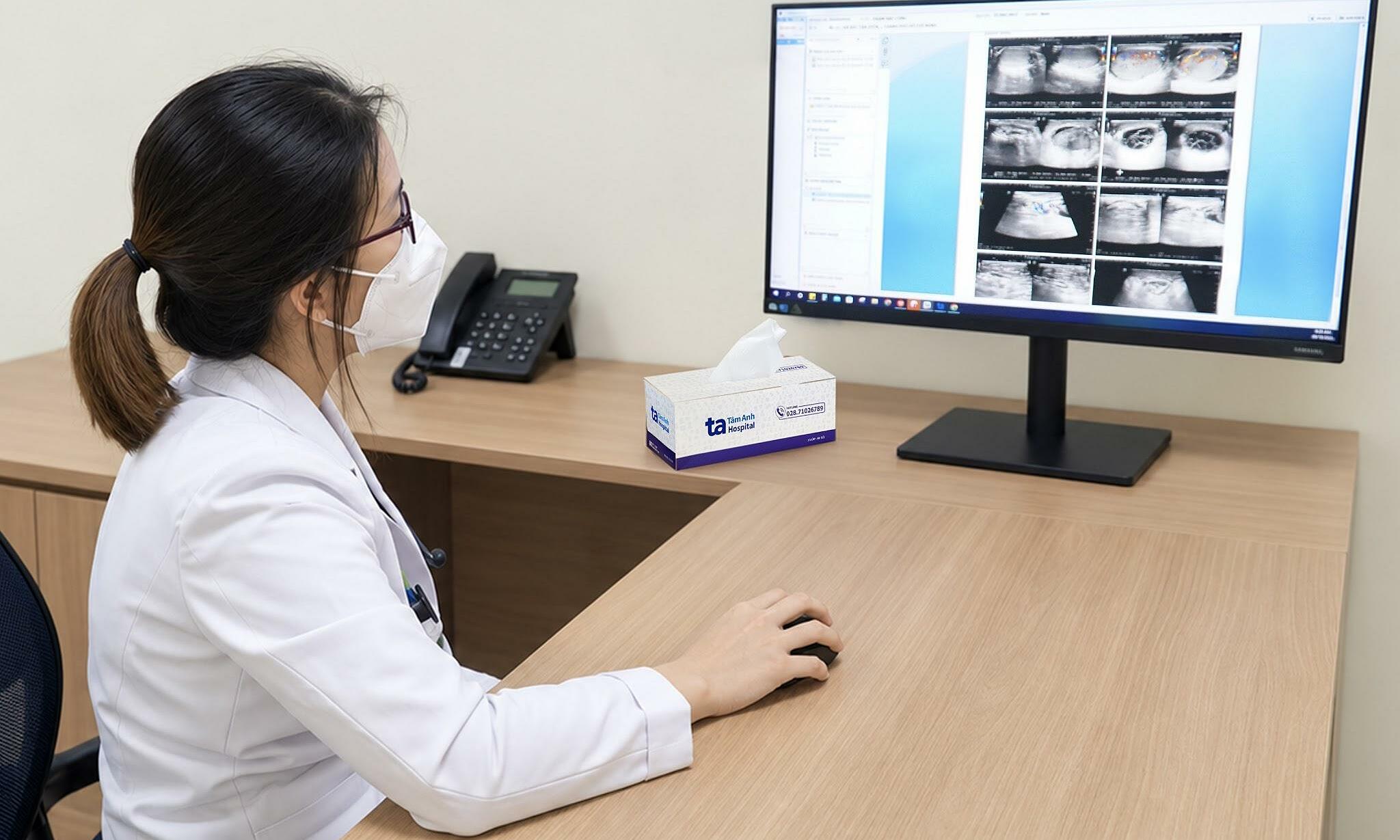
In-depth tests at the Center for Reproductive Assistance, Tam Anh General Hospital Hanoi (IVF Tam Anh), revealed follicle-stimulating hormone (FSH) and luteinizing hormone (LH) levels of 33,5 mIU/mL and 19,6 mIU/mL, respectively. These levels were nearly three times higher than normal, indicating impaired testicular function and the body's increased hormone production to stimulate testicular activity. Ultrasound showed both testicles were about one-third their normal size.
Master of Science, Doctor Nguyen Huy Hoang, who diagnosed Phi, explained that the mumps virus causes inflammation. This inflammation permanently damages germ cells responsible for sperm production, leading to a decline in sperm count, morphology, and activity. Over time, the testicles become fibrous and atrophy.
Orchitis, a complication of mumps, affects 20-25% of males who contract the disease after puberty. Patients may experience reduced fertility, decreased testosterone, diminished sexual desire, or erectile dysfunction. However, in non-obstructive azoospermia, the damage is often not uniform across the entire testicle. Some seminiferous tubules may remain active and produce a very small amount of sperm, insufficient to appear in semen.
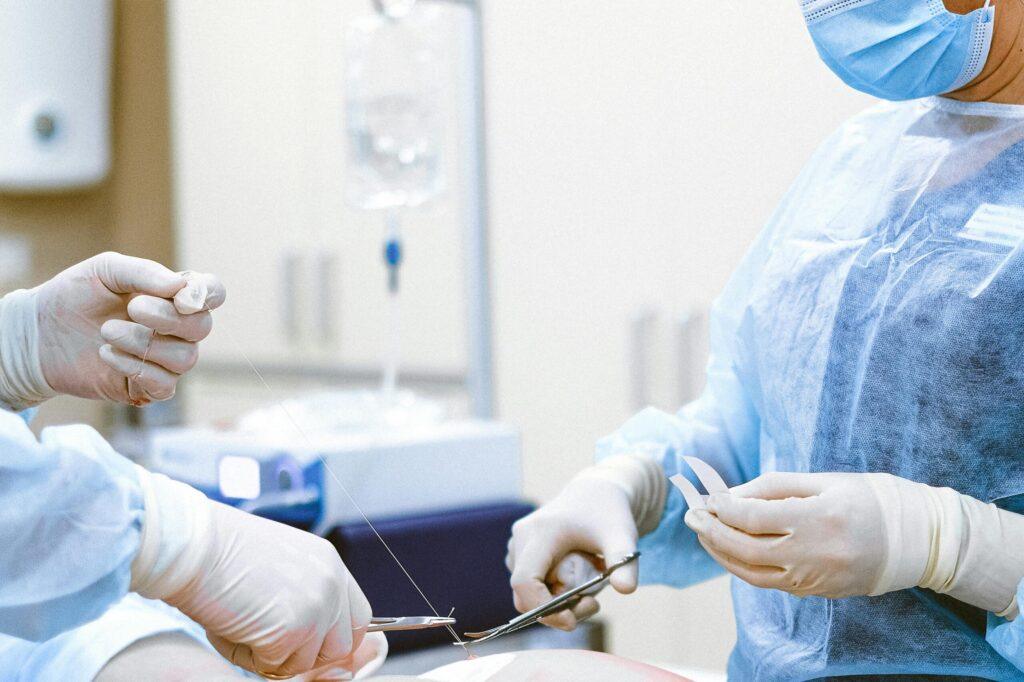
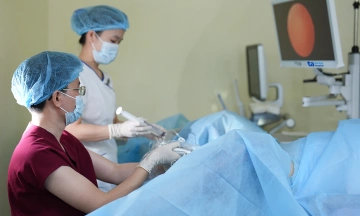
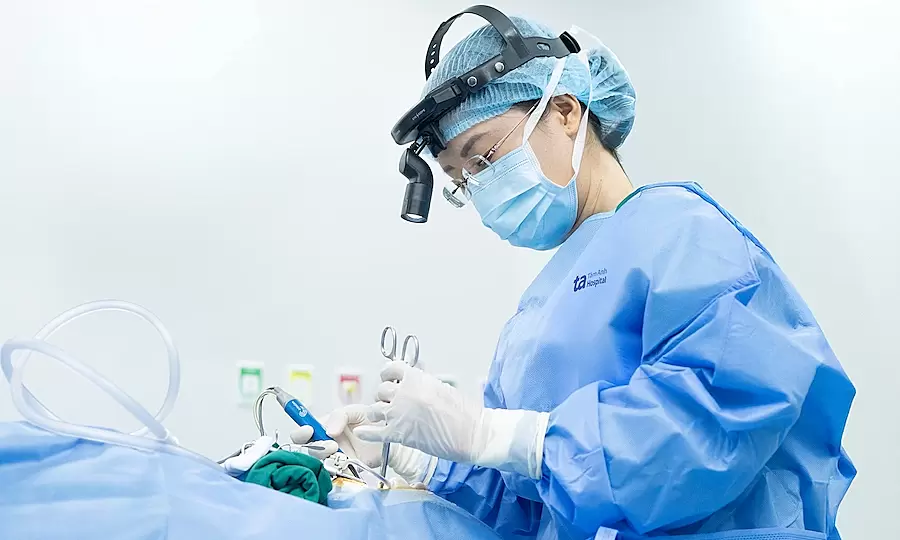
Doctor Hoang recommended micro-TESE (microsurgical testicular sperm extraction) as the most effective treatment for Phi to have children. During the procedure, after three hours of meticulous searching, the medical team identified potential seminiferous tubules in his right testicle. Tissue was carefully extracted only from this area, preserving the left testicle to maintain maximum endocrine function for the patient.
The retrieved tissue sample was immediately transferred to an ISO 5 standard cleanroom laboratory. Embryologists meticulously processed the tissue, separating fragments and observing them under an inverted microscope. After washing, centrifuging to remove debris, dead cells, and inflammatory cells, and repeatedly scanning microscopic fields at over 200x magnification, the team successfully isolated enough viable sperm to cryopreserve three vials.
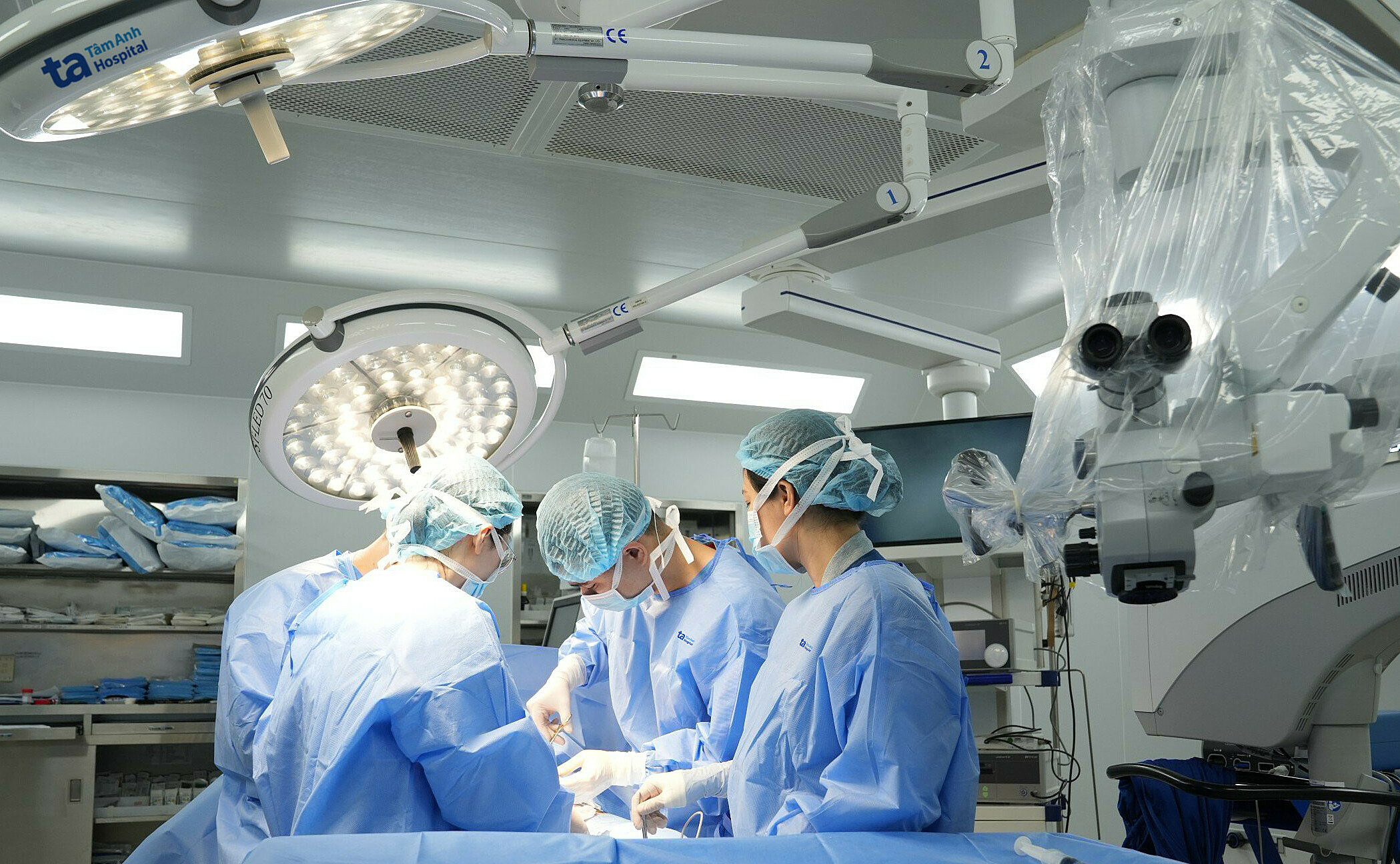 |
The medical team performing sperm retrieval surgery for the patient. Illustration: IVF Tam Anh
This sperm was then mixed with a cryoprotective medium and vitrified in liquid nitrogen at -196 degrees Celsius. This process temporarily halts all biological activity of the cells, allowing the sperm to remain stable for many years. When Phi desires to have children, the sample will be thawed for specialists to inject sperm into the wife's ooplasm to create embryos.
"We plan to undergo in vitro fertilization to have children after we get married early next year," Phi stated.
Doctor Hoang emphasized that a history of having children does not guarantee ongoing normal fertility. Conditions like mumps can severely impact sperm production, potentially leading to azoospermia. He also highlighted that sperm quality tends to decline after age 40, affecting conception. Therefore, men should prioritize pre-marital or re-marital health check-ups, especially when planning more children, for early detection and timely treatment of fertility issues.
Micro-TESE offers a sperm retrieval rate of approximately 60% for non-obstructive azoospermia patients generally, with success rates approaching 100% in cases resulting from mumps complications. This microsurgical technique extracts significantly less tissue than traditional methods, minimizing risks such as bleeding, infection, and damage to testicular tissue, thereby limiting post-operative endocrine decline. Furthermore, the quality of embryos created from micro-TESE retrieved sperm during in vitro fertilization is comparable to those obtained from ejaculated sperm.
Ultimately, if a risk of impaired sperm production is identified, men are advised to consider cryopreserving sperm as a proactive measure to safeguard their opportunity for biological fatherhood.
Trinh Mai