Doctor Dao Thi Yen Thuy, Head of the Department of Nutrition and Dietetics at Tam Anh General Hospital in Ho Chi Minh City, states that oats do not directly burn excess fat but support body weight control. This food is rich in fiber, especially beta-glucan, which forms a viscous layer in the stomach, slowing down digestion and glucose absorption.
Individuals aiming for weight loss should consume oats for breakfast or as a snack before exercising. Oats have a low glycemic index (GI), around 50-55, promoting prolonged fullness and stable blood sugar. Each meal should include only about 30-50 grams of oats to provide sufficient energy and fiber without excessive calorie intake.
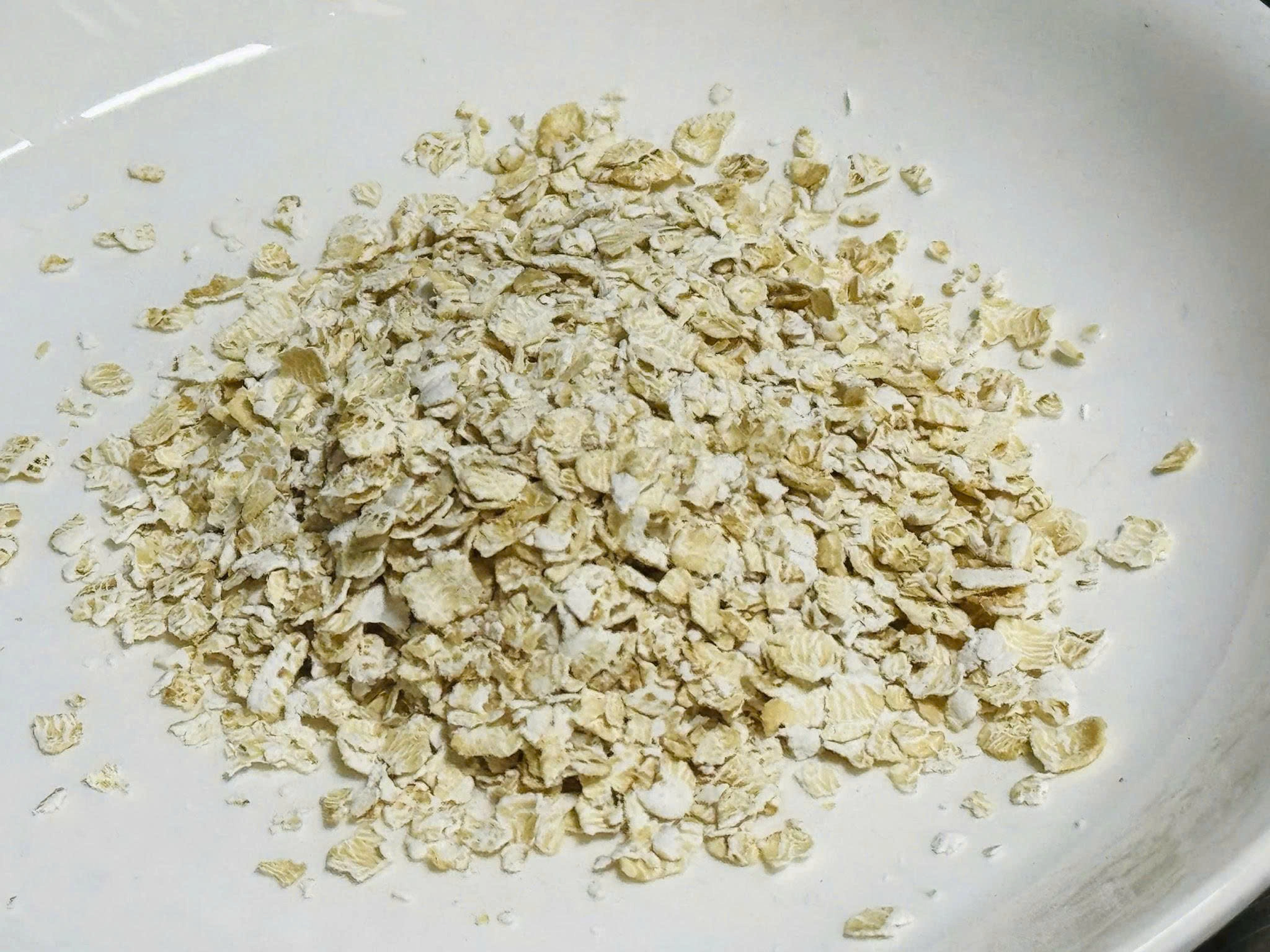 |
Oats are rich in nutrients and beneficial for health. Photo: Ly Nguyen |
Doctor Yen Thuy advises against completely eliminating white rice and other food groups to solely consume oats for rapid weight loss. Maintaining such a diet long-term can lead to nutritional deficiencies, weakness, and muscle loss instead of fat reduction.
While oats are rich in fiber and micronutrients, they cannot fully replace essential protein and fat sources for the body. Combining oats with healthy protein sources such as boiled eggs, chicken breast, fish, unsweetened yogurt, or nut milk helps extend feelings of fullness and curb cravings for snacks.
100 grams of oats provide approximately 380-400 calories. If portion sizes are not controlled, the total energy intake will exceed the recommended limit, leading to unsuccessful weight management. Avoid mixing oats with sugar, condensed milk, sweetened fresh milk, or high-energy dried fruits, as these additions increase overall calorie content, elevate blood sugar, and promote fat accumulation.
 |
Doctor Yen Thuy provides nutritional counseling to patients. Photo: Tam Anh General Hospital |
Doctor Yen Thuy encourages consumers to prioritize whole oats or rolled oats that undergo minimal industrial processing. For oat porridge, it is advisable to add mushrooms, broccoli, carrots, or other fresh vegetables to boost vitamin intake and support digestive health.
For effective weight management, it is crucial to maintain a balanced diet, exercise regularly, and drink enough water. Given that each person's physical condition and energy needs differ, individuals seeking weight loss should consult a nutrition specialist for assessment, advice, and the development of a suitable diet plan.
Bui Duc
| Readers can submit nutrition questions here for doctor consultation |