On 17/3, at the opening of a management training course for 359 health station directors in the city, along with delegates from Tay Ninh and Dong Nai, Director of the Ho Chi Minh City Department of Health Tang Chi Thuong emphasized the urgent need to innovate operational capacity at the grassroots level in the current period.
According to Thuong, grassroots healthcare is foundational, but its role has not been fully leveraged. Health stations have not yet become the first destination for residents. Instead, patients tend to bypass to larger hospitals, causing overload, while the capacity of lower-tier facilities remains underutilized. Evidence shows that with similar infrastructure, some health stations attract many residents, while others are quite empty. The biggest difference lies in operational organization, service spirit, and especially the management capabilities of the leader.
The head of the city's health sector stated that the upcoming direction is to develop health stations into the "first point of medical contact". These facilities will not be limited to examinations and treatment but will also monitor, prevent disease early, and manage lifelong health for residents in their localities.
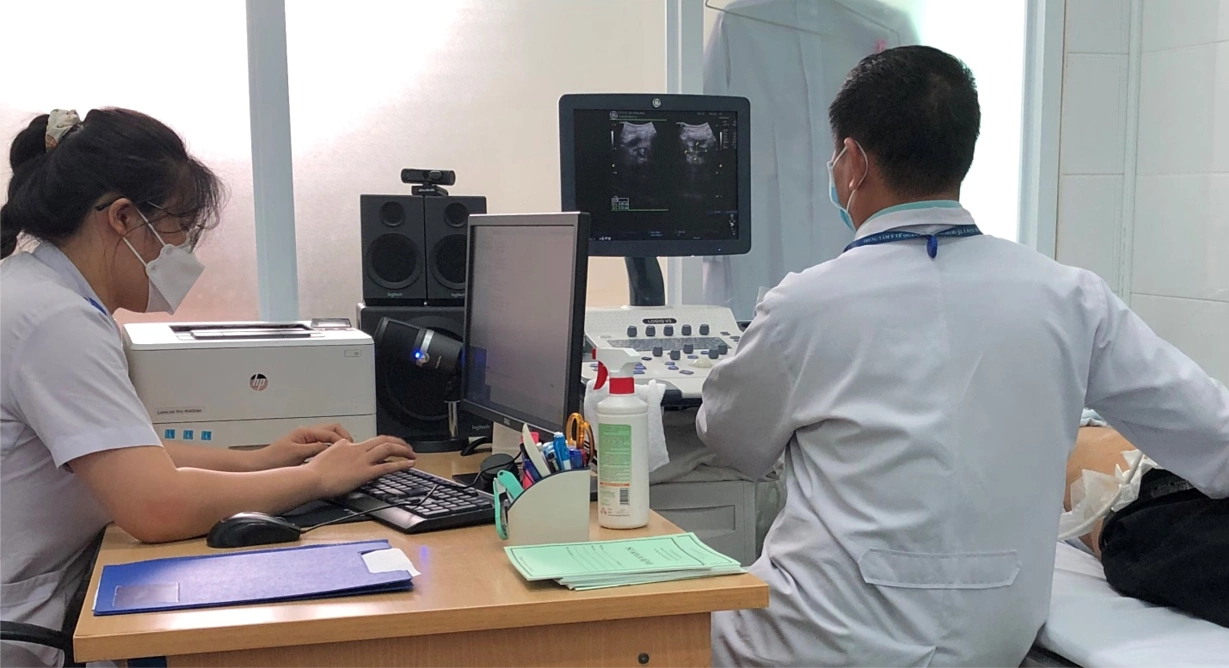 |
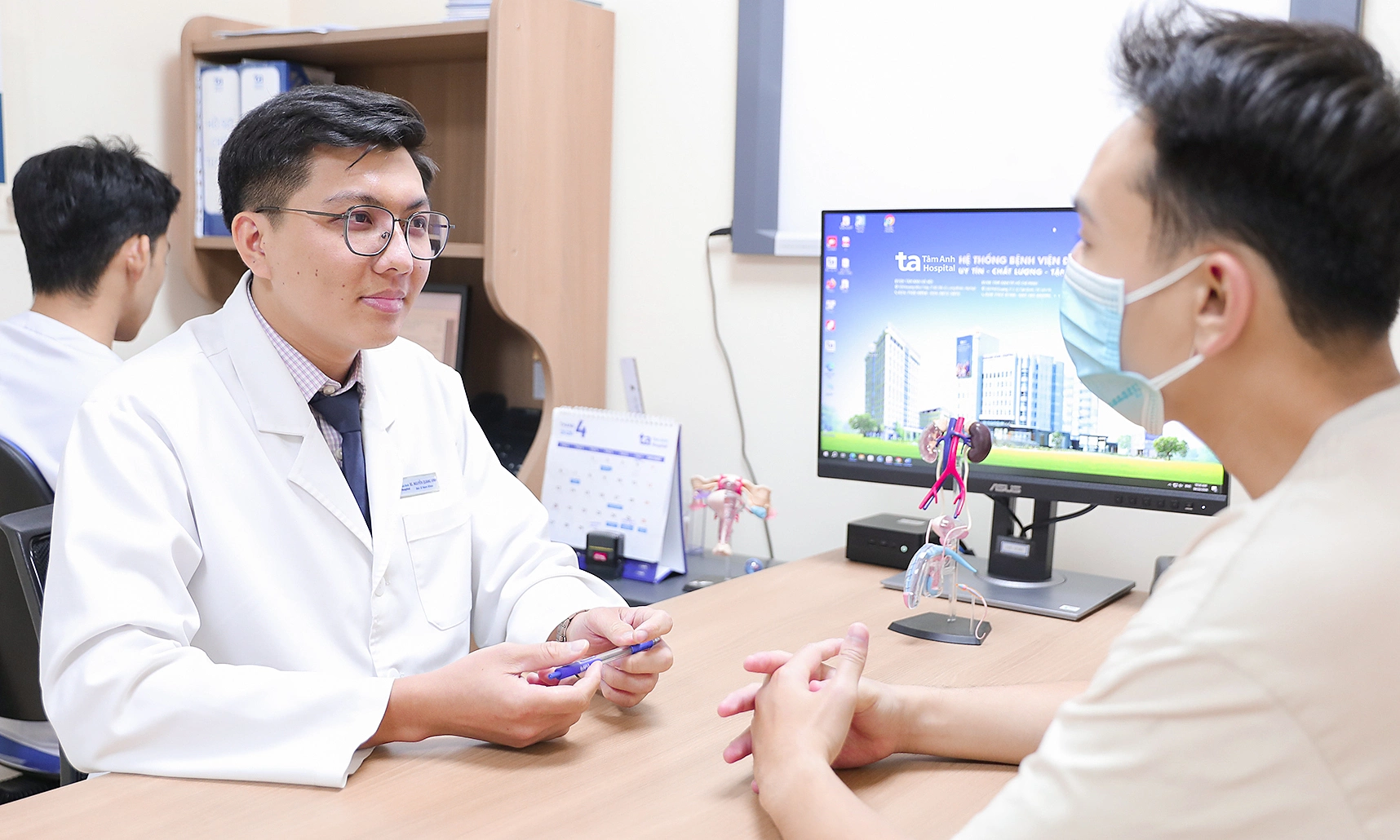
Doctors examine and treat patients at a health station. Photo: Ho Chi Minh City Department of Health |
In this new context, health stations are no longer purely professional departments but will operate as complete public health units. This presents a significant challenge, requiring leaders to not only excel in medicine but also possess comprehensive management capabilities.
To address challenges at the grassroots level, Thuong explained that the training course designed 14 key topics, representing the most practical issues health stations face. Instead of pure theory, directors will receive specific guidance on handling "hot" issues such as finance and health insurance, solutions to completely overcome drug shortages, how to organize the apparatus, assign personnel without overlap, and skills to resolve complaints and denunciations correctly, preventing "hot spots" from arising.
According to the Director of the Ho Chi Minh City Department of Health, once health stations are strengthened and operate smoothly, residents will receive early and remote care directly within the community. This will not only reduce the burden on higher-tier facilities but also help the city's health system develop in a balanced and sustainable way.
Le Phuong