The talus is one of the most vital bones in the ankle, positioned between the shin bone and the heel bone. It bears most of the body's weight during standing, walking, and running.
Talus bone marrow edema following an ankle sprain is a common condition. When the ankle twists or experiences sudden force, the talus can develop micro-injuries internally, accompanied by microscopic bleeding and fluid accumulation within the bone marrow. This is the bone's natural response to trauma and does not indicate a fracture or bone necrosis.
If bone marrow edema is the only issue, without fractures, severe cartilage damage, ligament tears, or ankle instability, surgery is typically not required. Most cases respond well to conservative treatment and can achieve full recovery. Recovery time depends on the extent of the injury and an individual's healing capacity. Generally, pain symptoms gradually improve within approximately 6-12 weeks with proper treatment.
 |
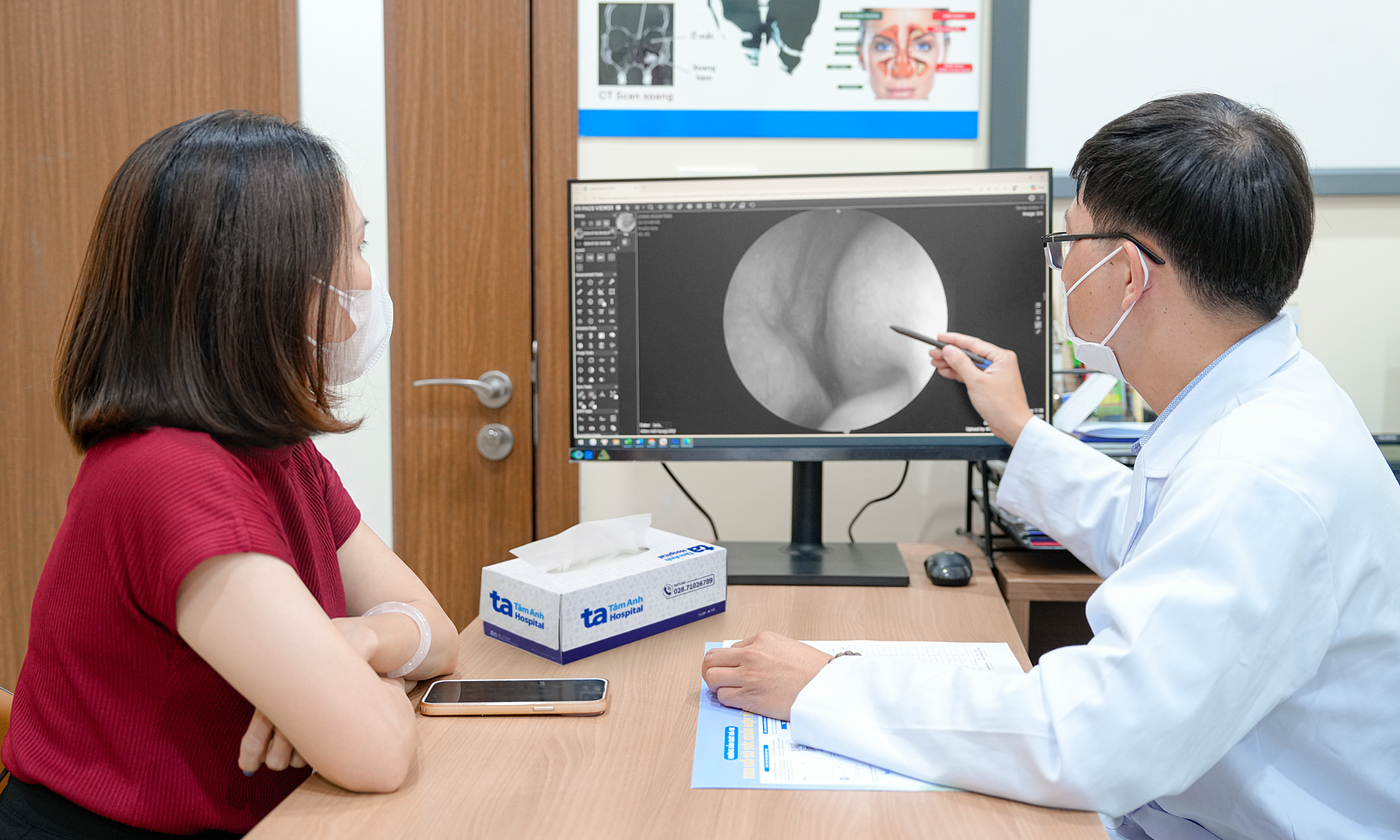
Doctor Nguyen Ngoc Han examines a patient with a sports injury. Illustration: Tam Anh General Hospital |
Initially, you should reduce the load on the injured ankle. Limit activities such as running, jumping, climbing stairs frequently, or engaging in high-intensity sports. Depending on the pain level, a doctor may prescribe a brace or supportive footwear, along with pain medication if necessary.
Once symptoms subside, follow a rehabilitation program to regain range of motion, strengthen the muscles around the ankle, and improve balance. Timely and correct exercise plays a crucial role in reducing the risk of re-spraining the ankle and returning to safe activity.
Patients should avoid rushing back to sports immediately after the pain disappears. Bones and surrounding joint tissues require additional time for complete recovery. Exercising too soon or subjecting the ankle to excessive force can prolong the injury, slow the healing process, or increase the risk of re-injury.
Surgery is only considered when examination and imaging results reveal injuries requiring intervention, such as fractures, osteochondral lesions, ligament tears causing ankle instability, or avascular necrosis of the talus. Therefore, the treatment decision relies not only on MRI results but also on clinical symptoms and the impact on motor function.
If after about 2-3 months of conservative treatment, you still experience significant pain, frequent ankle swelling, or recurrent pain during normal activities, a follow-up examination is recommended. The doctor will re-evaluate and rule out any associated injuries that might have been missed after the initial trauma.
Master, Doctor Nguyen Ngoc Han
Department of Orthopedic Trauma
Tam Anh General Hospital Hanoi
| Readers can submit questions about musculoskeletal conditions here for doctors to answer. |