Arrhythmia, or an irregular heartbeat, occurs when the heart beats too fast, too slow, or unevenly. Most cases are benign, often triggered by stress or anxiety. However, some arrhythmias can cause dizziness, fainting, or even lead to heart failure if not detected early.
Regularly checking your pulse, especially at home, helps identify abnormalities and aids in preventing cardiovascular disease.
What constitutes a normal heart rate? Heart rate refers to the number of times your heart contracts in one minute while at rest. For most adults, a normal resting heart rate falls between 60 and 100 beats per minute (bpm), influenced by age, activity level, and overall health.
Experts suggest that a heart rate below 60 bpm often indicates a healthy heart, particularly in athletes. A lower resting heart rate generally signifies better heart efficiency.
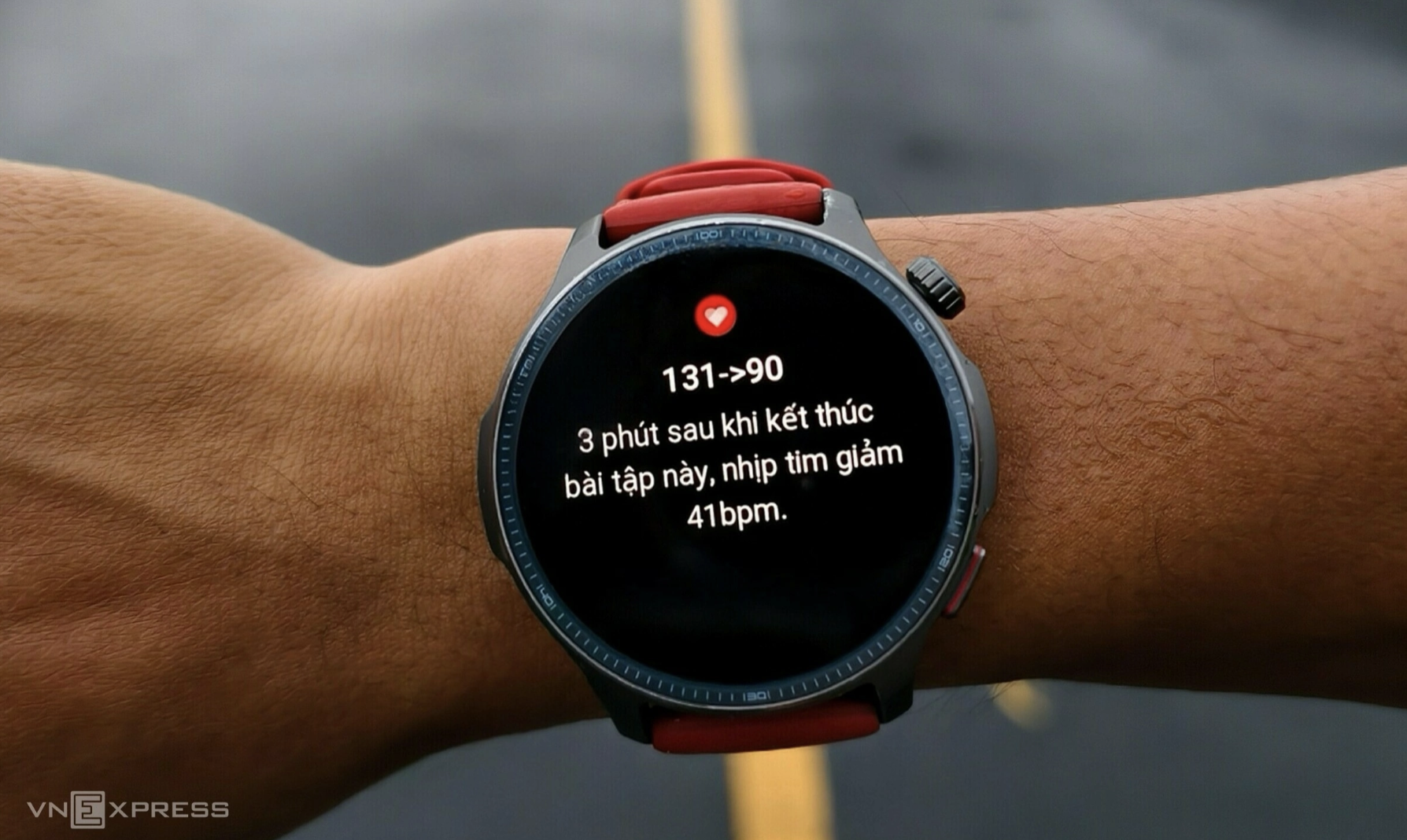 |
A person's heart rate decreased from 131 to 90 after exercise. Photo: Nhat Vi |
A person's heart rate decreased from 131 to 90 after exercise. Photo: Nhat Vi
How to check your heart rate:
While smartwatches and wearable health devices offer continuous heart rate monitoring, you can also check it yourself. Place two fingers on the inside of your wrist or the side of your neck, feel for your pulse, and count the beats for 30 seconds.
When taking your pulse, observe if the beats are regular and if there are any unusual pauses or skipped beats. These signs often indicate an arrhythmia and warrant closer monitoring.
Signs of an abnormal heart rate:
Signs of an abnormal heart rate include premature beats, skipped beats, or unusual pauses, which can cause a slight fluttering sensation in the chest. These may indicate premature atrial contractions or ventricular ectopy. While sometimes harmless, frequent occurrences of these irregularities can lead to cardiovascular disease.
When to consult a doctor:
Symptoms like chest pain, shortness of breath, dizziness, fainting, or a heart rate that is excessively fast or slow can signal serious conditions, including a heart attack. Individuals with high blood pressure or obesity should be particularly vigilant. Even mild but persistent symptoms warrant a medical examination for an electrocardiogram (ECG) and early diagnosis.
Lifestyle changes to protect heart health:
In addition to regular check-ups, maintaining a healthy lifestyle improves heart health. Doctors recommend a minimum of 150 minutes of exercise weekly, combining cardio and resistance training.
Regarding nutrition, reduce salt, trans fats, and processed foods. Increase your intake of green vegetables, fruits, legumes, nuts, and healthy protein sources such as tofu, cottage cheese, eggs, and lean meat.
Limit coffee, alcohol, and stimulants. Smokers should quit as soon as possible, as no level of nicotine is safe. Weight management also helps stabilize blood pressure.
Technology supporting heart health monitoring:
Beyond traditional measurement methods, electronic devices and health applications on phones can record heart rate and even monitor electrocardiograms. When used correctly, these tools facilitate early detection of many abnormalities, helping users monitor their cardiovascular status at home.
By Huong Giang (According to Times of India)