Earwax buildup and blockages are common. Prolonged accumulation can form a plug, fostering bacterial growth that leads to inflammation, pain, and hearing loss. While individuals can remove earwax themselves or consult an ear, nose, and throat specialist, certain mistakes should be avoided during self-removal.
Avoid using cotton swabs or sharp objects. Daily use of cotton swabs to clean ears, especially after showering, is discouraged. For itching or wet ears, gently wipe around the ear with a thin, soft towel and tilt your head to allow water to drain. Never use sharp ear picks, toothpicks, or other small, pointed items for earwax removal, as these can push earwax deeper, leading to severe blockages and a high risk of eardrum damage.
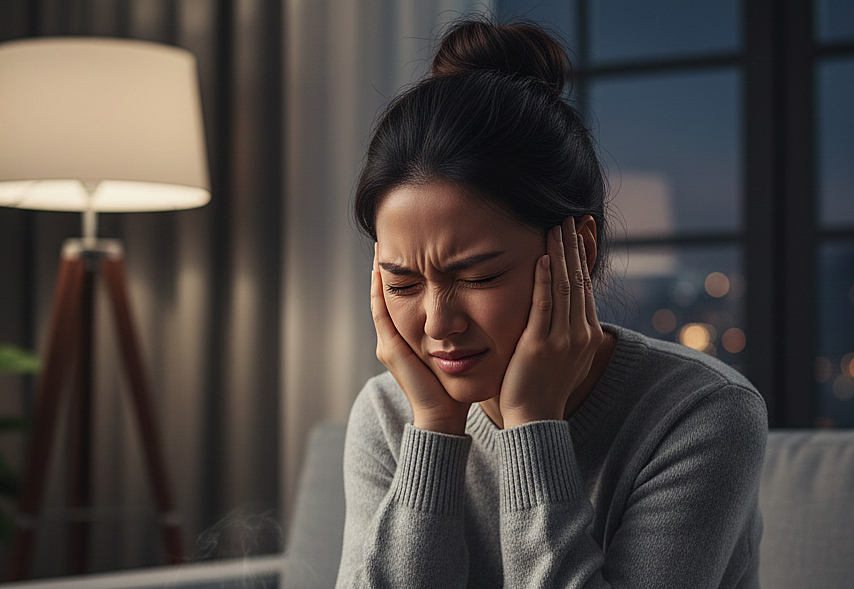 |
Earwax accumulation can cause pain. Image created by AI. |
Ear candling, a method where a hollow candle is placed into the ear and lit at the other end to draw out earwax, is not recommended. While some believe it softens and aids in earwax removal, its effectiveness remains unproven. This practice carries risks, including ear burns and skin damage.
Incorrect use of ear drops. Ear drops or saline solution can soften earwax and facilitate its exit, proving effective for mild blockages. However, individuals with perforated eardrums or middle ear infections should avoid this method, as it risks exacerbating inflammation and impacting hearing. Symptoms of a perforated eardrum include pain or discomfort, tinnitus, hearing loss, and ear discharge.
If experiencing a sensation of fullness or discomfort due to suspected earwax, gently massage the ear or the area behind it for relief. Begin by placing your index and middle fingers behind the earlobe, applying gentle pressure and rotating slowly in a circular motion. Tilt your head to one side to encourage earwax to exit. For severe blockages, consult an ear, nose, and throat doctor for safe removal using specialized instruments.
To prevent earwax accumulation and blockages, maintain dry and clean ears after showering or swimming. Gently wipe the outer ear with cotton or a soft towel. Furthermore, effectively manage skin conditions causing flaking, such as seborrheic dermatitis, and ensure the cleanliness of ear-worn devices like hearing aids and earbuds.
Anh Chi (According to Very Well Health)
| Readers can ask questions about ear, nose, and throat conditions here for doctors to answer. |