Cold weather causes blood vessels to constrict, blood pressure to rise, and blood to thicken, circulating slower and clotting more easily. It can also lead to the rupturing of atherosclerotic plaques, factors contributing to myocardial infarction. Master, Doctor Nguyen Thi Tuyet, from the cardiology department at Tam Anh General Hospital, advises individuals with coronary artery disease or a history of heart conditions to exercise carefully to prevent illness.
Dress warmly
Exercisers should wear multiple layers of clothing, including a sweat-wicking base layer, an insulating middle layer, and a wind-resistant outer layer. Accessories such as hats, gloves, and scarves help limit heat loss, maintaining stable body temperature throughout the workout.
Prioritize indoor workouts
Older individuals and those with a history of heart disease should prioritize exercising in warm spaces with stable temperatures. Avoid exercising outdoors in the early morning or late at night, when temperatures are low, as this can easily trigger ischemic heart attacks.
If you wish to go outside, choose the warmest time of the day. Additionally, break up workouts by performing short, intermittent exercise intervals. For example, instead of walking continuously for 30-40 minutes in cold weather, you can divide it into two or three walks, each lasting 10-15 minutes, with short rest periods in a warm place.
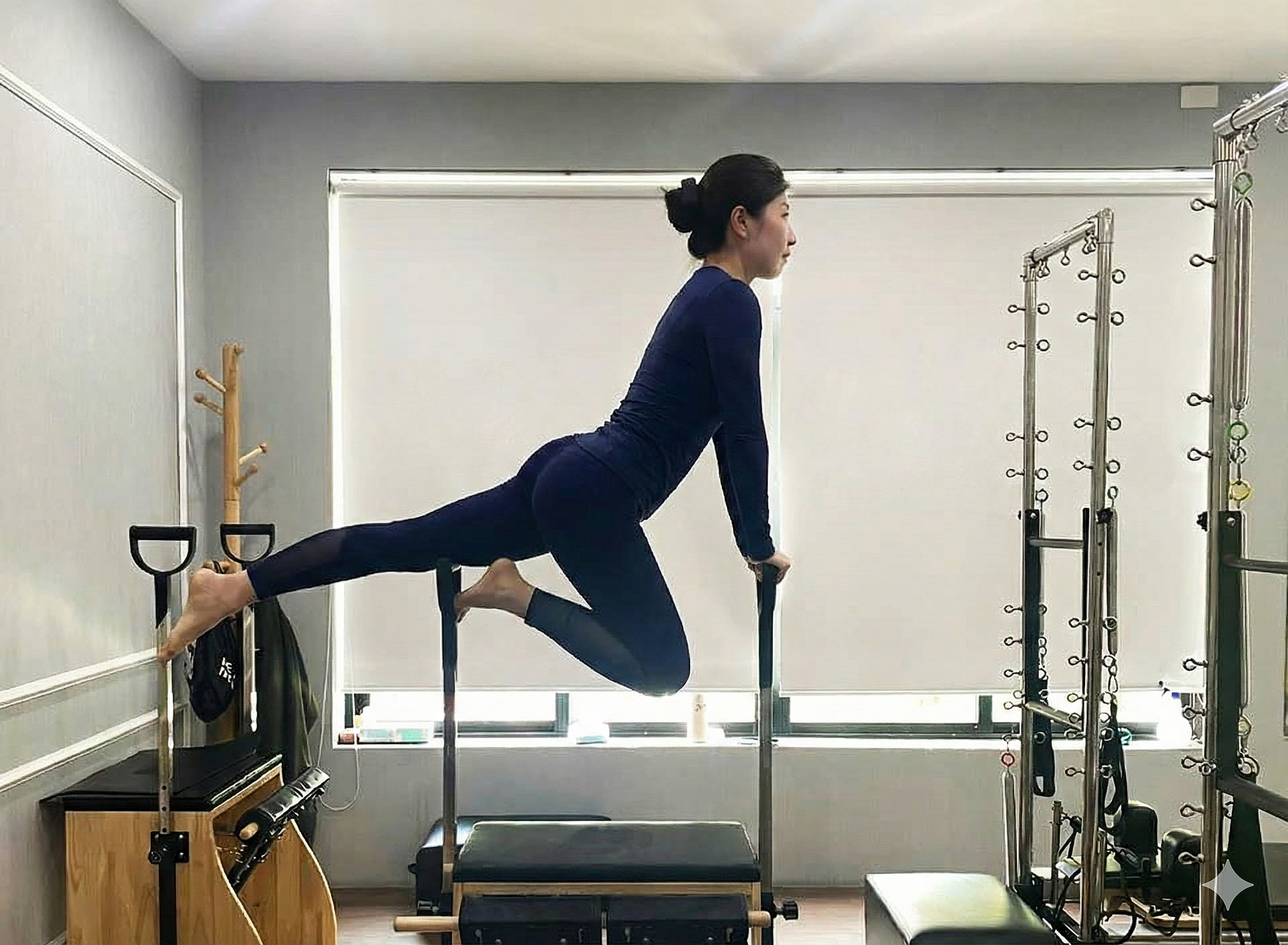 |
Exercising indoors in a warm, stable temperature helps reduce cardiovascular risk in cold weather. Photo: Bich Diep.
Warm up thoroughly and gradually increase intensity
It is advisable to warm up for at least 10-15 minutes before exercising. This allows body temperature to rise, blood circulation to improve, and blood vessels to gradually dilate. This reduces the risk of sudden blood pressure spikes, chest pain, or the onset of ischemic heart disease when transitioning to vigorous exercise.
Choose suitable exercises
Exercisers should limit high-intensity activities such as sprinting, high-speed cycling, HIIT, hill climbing, heavy lifting, soccer, and tennis on days when temperatures are low. Prioritize light to moderate exercises to maintain physical activity while remaining safe for cardiovascular health. Walking indoors or on a treadmill helps maintain a steady pace.
Exercises with resistance bands, light weights, or moderate strength building support circulation and maintain muscle strength without overworking the heart. Slowly climbing stairs is a suitable choice for older individuals or those with coronary artery disease.
Take a warm shower after exercising
After exercising, immediately dry off sweat and shower with warm water at a moderate temperature. Avoid showering with water that is too hot or too cold, and do not shower late at night after 22h or early in the morning before 6h, when the ambient temperature is low. Sudden temperature changes or prolonged bathing can cause significant blood pressure fluctuations, making the heart work harder.
Stay hydrated
Even in cold weather, the body continuously loses water through sweat, breath, and urination. Therefore, it is necessary to provide enough water to maintain stable blood circulation, help the body retain heat, and maintain effective cardiovascular functions. Individuals should prioritize filtered water or low-sugar beverages.
According to doctor Tuyet, some individuals have a high risk of cardiovascular issues, such as those aged 65 or older, or with a history of hypertension, atherosclerosis, coronary artery disease, or heart failure. Individuals with diabetes or dyslipidemia also face a significantly increased risk of cardiovascular events in cold weather.
Individuals with underlying heart conditions should consult a doctor before starting or changing an exercise program. A doctor can adjust medication or dosage during the cold season. During exercise, patients need to monitor blood pressure, heart rate, and observe for unusual signs. If chest pain, shortness of breath, or dizziness occurs, stop exercising immediately and seek medical attention if necessary.
Ly Nguyen
| Readers can send questions about cardiovascular disease here for doctors to answer |