According to Dr. Ma Thanh Phong, Head of the Respiratory Unit, Department of General Internal Medicine at Tam Anh General Hospital, Ho Chi Minh City, these exercises improve lung ventilation, enhance oxygen exchange, reduce phlegm buildup, and prevent respiratory complications.
Patients should practice daily in a well-ventilated environment, in a comfortable position, and not immediately after a full meal. The most basic exercise is diaphragmatic breathing, also known as abdominal breathing.
To perform this, lie or sit down, place one hand on your chest and the other on your abdomen. Inhale slowly through your nose, allowing your abdomen to expand. Hold your breath for a few seconds, then exhale slowly through your mouth as your abdomen contracts. This breathing technique maximizes lung capacity and is especially effective for patients with chronic obstructive pulmonary disease (COPD).
Additionally, pursed-lip breathing is a simple technique that helps keep airways open. Patients inhale through their nose for two seconds, then purse their lips as if whistling and exhale slowly for about four to six seconds. This technique prolongs exhalation, reduces air trapping in the lungs, and improves the sensation of shortness of breath.
 |
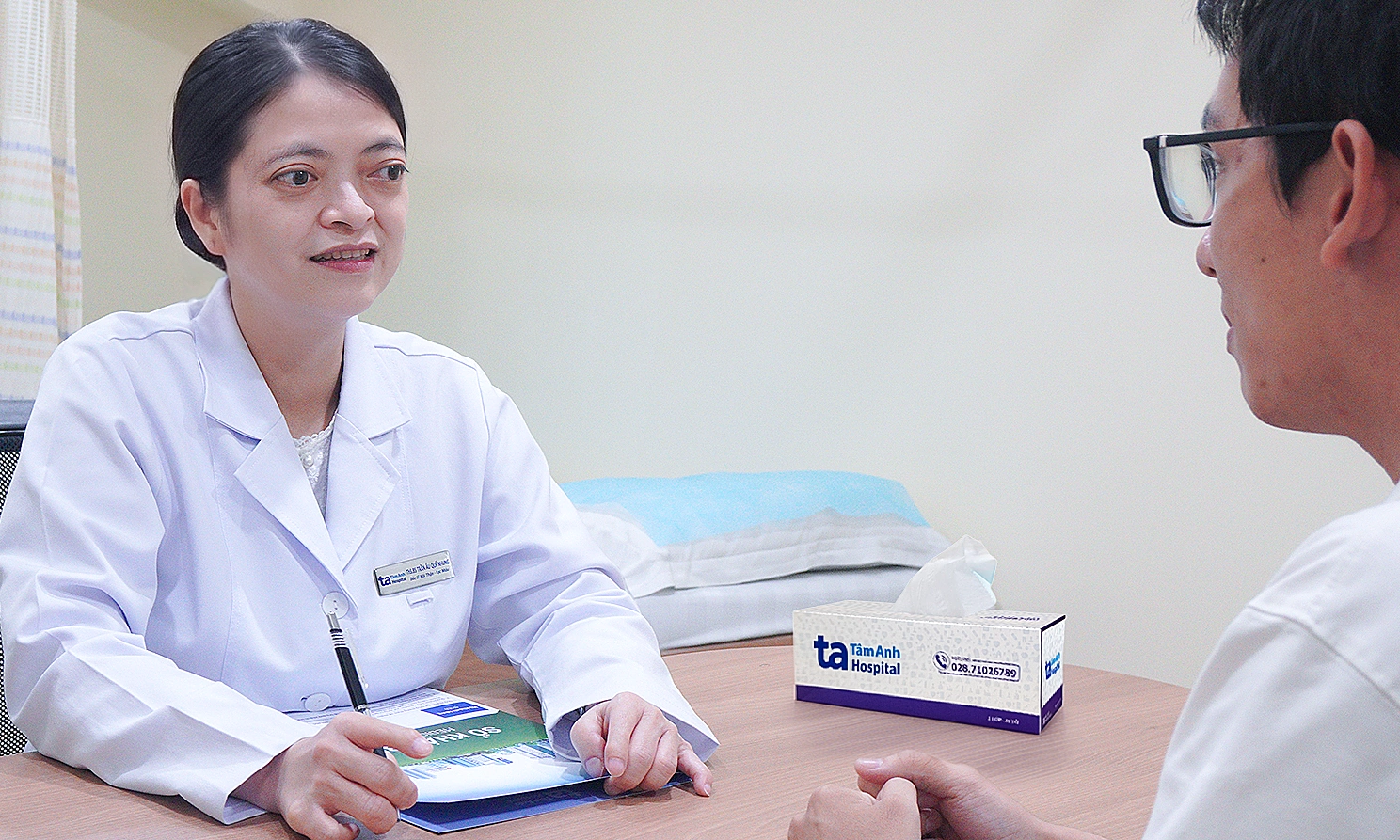
Dr. Phong explains respiratory support and care methods to a woman. Photo: Tam Anh General Hospital |
To help expel phlegm, patients need to practice controlled coughing. Instead of coughing forcefully, which can cause fatigue, individuals should take a deep breath, hold it for a few seconds, then cough decisively one to two times from deep within the chest. In many cases, doctors or technicians may also guide patients on postural drainage and chest percussion techniques to thin phlegm and help patients clear it more easily.
Beyond breathing exercises, gentle physical activity also plays an important role. Slow walking, stretching, or limb exercises coordinated with breathing help increase endurance and improve cardiopulmonary function. According to Dr. Phong, maintaining appropriate physical activity helps reduce hospitalization frequency and enhances the quality of life for patients with chronic respiratory conditions.
However, exercise must be individualized. Patients should receive initial guidance from a doctor or rehabilitation specialist to ensure correct technique and suitability for their condition. If symptoms such as increased shortness of breath, dizziness, chest pain, or a decrease in SpO2 occur, patients should stop exercising and immediately inform medical staff.
Nhat Thanh
| Readers can ask questions about respiratory illnesses here for doctors to answer |