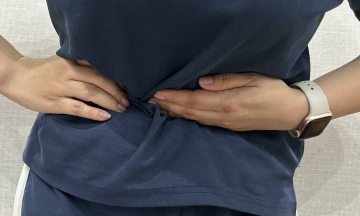
During long holiday periods, sitting continuously for many hours on buses, trains, or airplanes can cause back pain, joint stiffness, and numbness in the limbs.
Doctor Nguyen Van On, a specialist from the Orthopedic Trauma Center at Tam Anh General Hospital TP HCM, states that the main causes are incorrect sitting posture and lack of movement. Prolonged sitting in confined spaces strains muscles in the back, neck, shoulders, and hips, leading to aches and fatigue. For individuals with spinal degeneration or herniated discs, symptoms may appear within a few hours. Limited movement also reduces synovial fluid, causing joint stiffness and increasing the risk of injury when standing up or moving suddenly.
 |
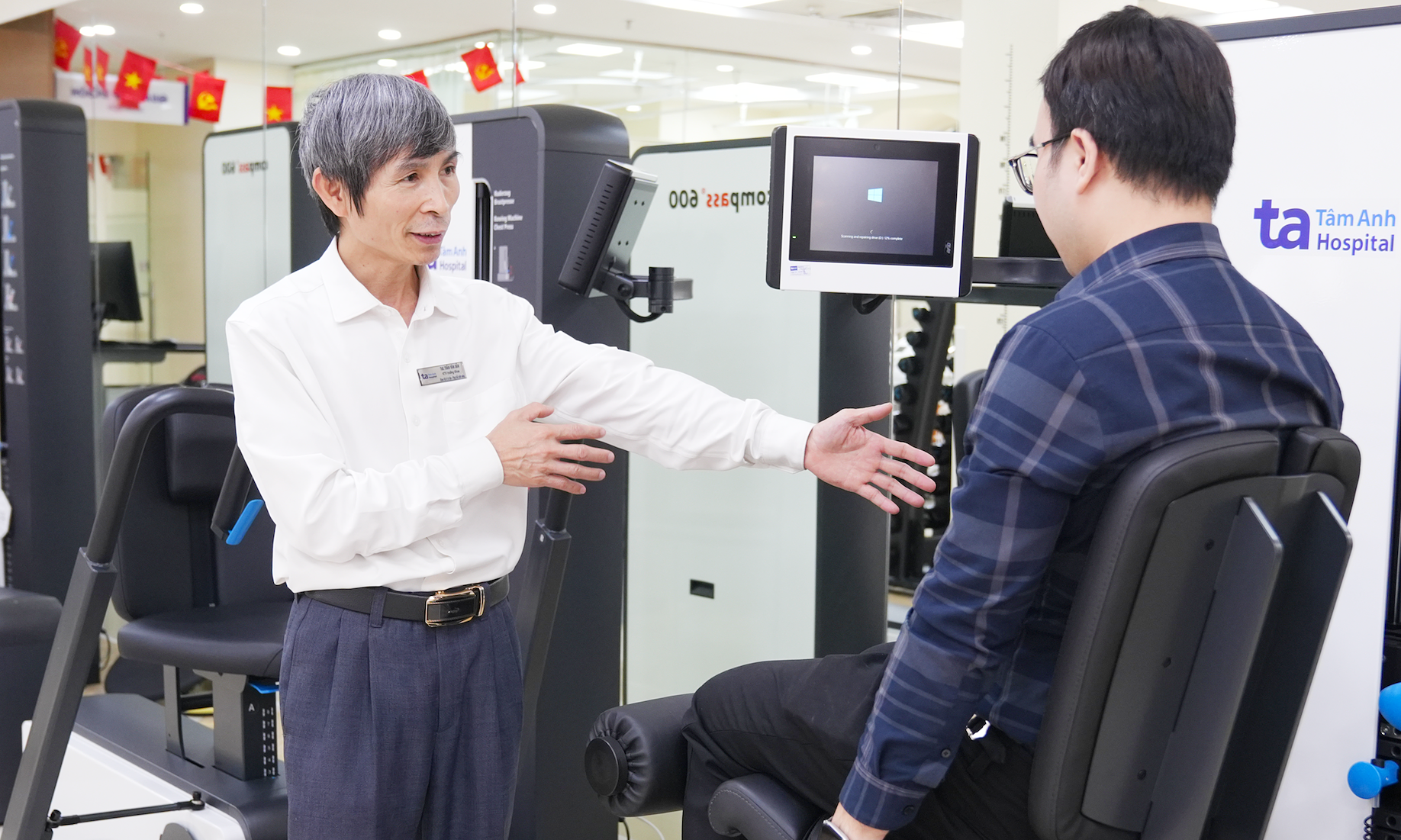
Doctor On explains joint function to a patient. *Photo: Tam Anh General Hospital* |
Doctor On suggests several methods to prevent joint stiffness during long-distance travel:
Perform on-the-spot stretches with gentle exercises, which can be done while seated during travel. Examples include stretching, shoulder shrugs, and rotating shoulders forward and backward to relieve tension in the neck and shoulders. Flex and rotate the feet to stimulate blood circulation in the lower limbs. These movements should be performed every 30-60 minutes to avoid prolonged immobility.
Proper sitting posture can effectively reduce back pain and joint stiffness. When seated, keep your back straight and firmly against the seatback. A small pillow can be placed in the lumbar region to maintain the natural spinal curve. Keep both feet firmly on the floor, avoiding crossing your legs for extended periods. Try to relax your neck and shoulders, and limit continuous phone use with a bowed head. Consider using a C-shaped neck pillow for support and pressure reduction.
Move around during stops with simple actions such as walking a few laps, swinging your arms and legs, and stretching hip and thigh muscles. Combine these with deep breathing to enhance oxygen and blood circulation to tissues, quickly reducing aches, stiffness, and maintaining joint flexibility.
Drink enough water to help muscles function better, reducing cramps and muscle stiffness.
Wear comfortable clothing, such as loose, breathable attire, to avoid hindering blood circulation.
Carry appropriate hot or cold packs. For chronic conditions, hot packs effectively relieve pain, while cold packs are more beneficial for acute injuries.
Doctor On advises that older adults or individuals with a history of musculoskeletal conditions should undergo regular health check-ups before traveling. This allows for a comprehensive assessment of their condition and adjustment of treatment methods if necessary. While traveling, patients should take their medication as prescribed. If joint stiffness occurs frequently, persistently, and with severe pain, patients should seek medical attention promptly.
By Phi Hong
| Readers can submit questions about musculoskeletal conditions here for doctors to answer. |