Using electronic devices for extended periods, especially with sustained close-up viewing, can overwork the eyes, leading to fatigue and increasing the risk of myopia progression. Beyond academic and professional demands, lifestyle habits such as staying up late and insufficient outdoor activity also impact vision.
To limit myopia progression, first control electronic device usage. Apply the 20-20-20 rule: after every 20 minutes of near viewing, rest your eyes by looking 6 meters (20 feet) away for at least 20 seconds to reduce accommodative strain. Additionally, adjust screen brightness to match your surroundings and avoid using devices in low-light conditions.
Posture and viewing distance are important. When using a phone, maintain a distance of 40 cm. Avoid bending your head excessively or watching while lying down for long periods. An upright sitting posture, with the screen at eye level, reduces eye strain.
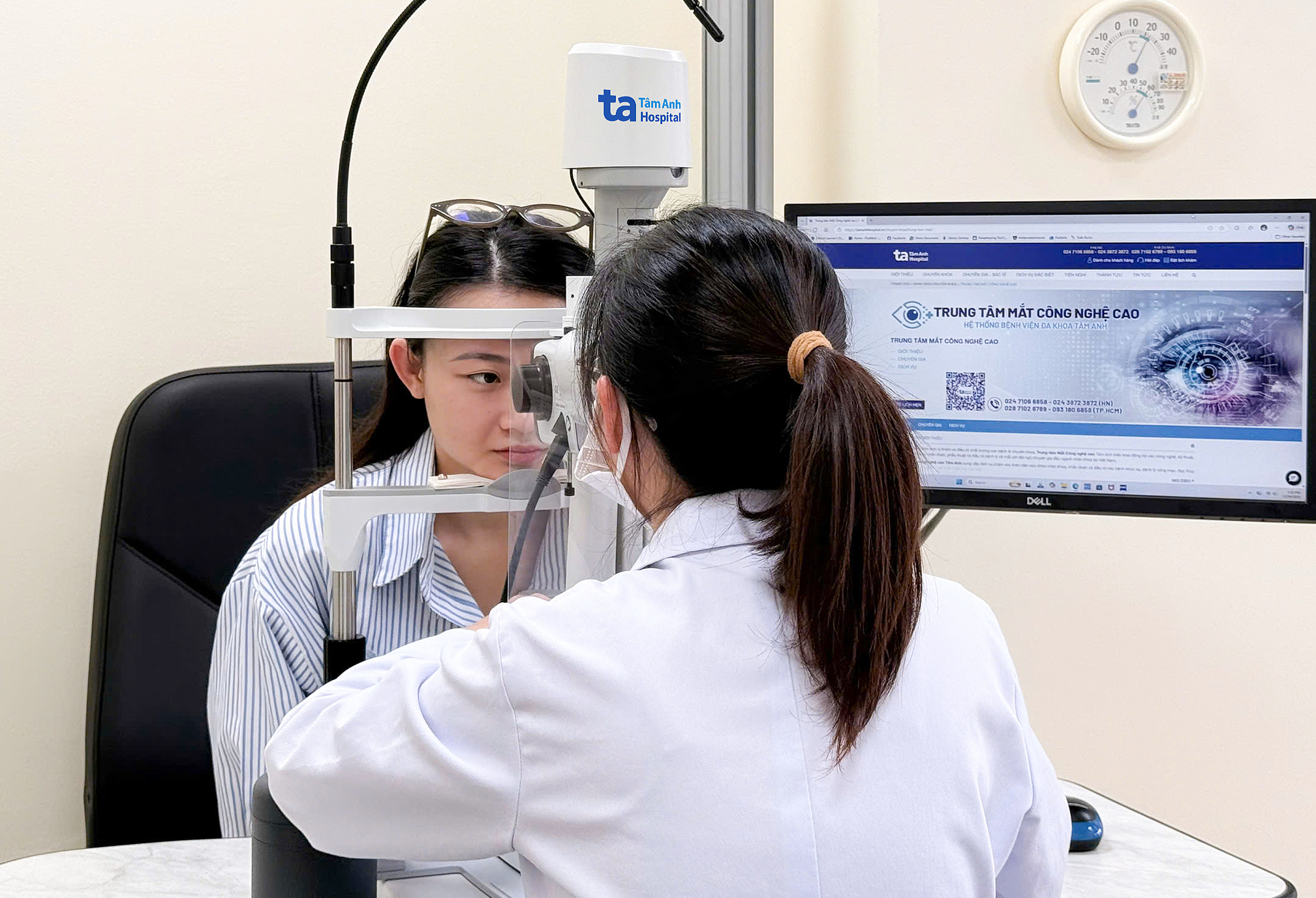 |
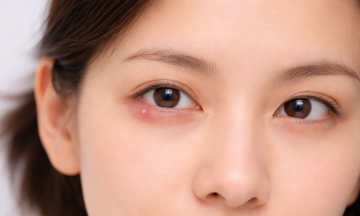
Doctor Huyen examines a woman's eyes. *Photo: Tam Anh General Hospital*
Adequate sleep is essential for eyes to recover after a day of activity. Prolonged late nights can lead to dry, tired eyes and reduced vision quality. Adults should maintain a reasonable sleep duration, at least 6-8 hours daily, to ensure eye rest.
Increasing outdoor activity is a measure to help control myopia. Natural light helps eyes relax and benefits visual development. Spending time walking, light exercise, or participating in outdoor activities daily can reduce the risk of myopia progression.
A balanced diet also helps maintain eye health. Increase green vegetables, vitamin-rich fruits, and omega-3 foods like fatty fish and nuts to support visual function. Drinking enough water daily also helps limit dry eyes.
If you notice persistent eye fatigue or blurred vision, seek an examination and advice from an ophthalmologist at a hospital for suitable adjustments, preventing long-term impacts on your daily life and work.
Master, Doctor Le Thanh Huyen
High-Tech Eye Center
Tam Anh General Hospital Hanoi
| Readers can send questions about ophthalmological diseases here for doctors to answer |