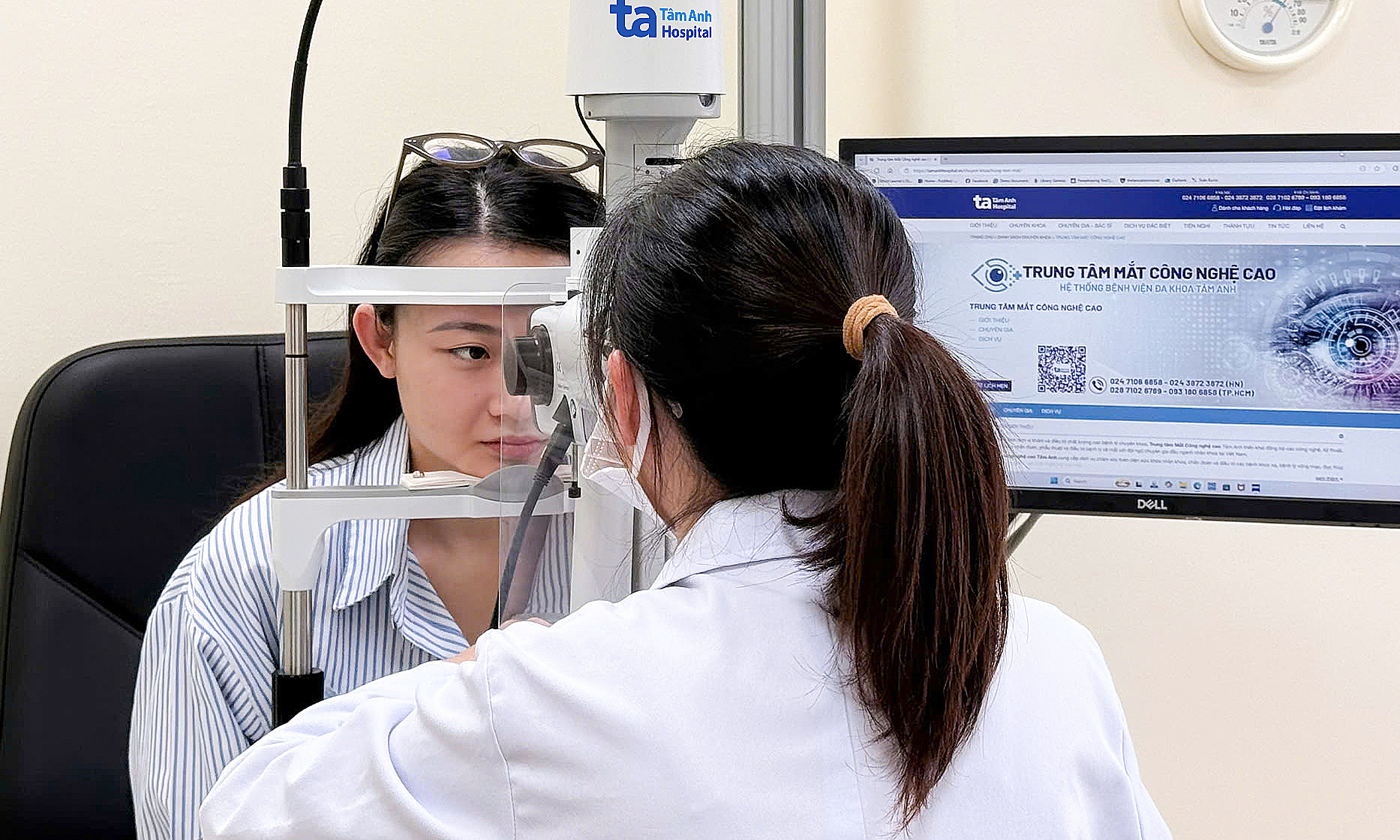
Small lumps or swollen areas on the eyelids are common, presenting in various forms, each with distinct characteristics and requiring specific management. Here are the common causes:
Styes
Styes are among the most common eyelid bumps, resembling pimples that appear at the base of the eyelashes. They form when bacteria infect the oil glands within the eyelid, which lubricate the eye. This can result in a painful, sometimes pus-filled lump. Risk factors include improper contact lens disinfection, forgetting to remove makeup before sleep, and not replacing eye makeup after three months of use.
Chalazia
A hard lump under the skin may be a chalazion, often resulting from a blocked oil gland or an unhealed stye. Chalazia are typically painless and often resolve spontaneously within about one month. To reduce the risk, consider practices such as removing eye makeup before sleep, replacing eye cosmetics every three months, applying warm compresses to improve oil secretion, and washing hands before touching your eyes or handling contact lenses.
Milia
Milia are tiny, painless white bumps under the skin, often appearing around the eyes. They result from dead skin cells becoming trapped beneath the skin's surface. While milia can occur anywhere, they are most prevalent around the eyes. Potential causes include long-term corticosteroid use, skin damage from trauma, rashes, or sun exposure.
Though common in newborns, milia can affect people of all ages. Additional risk factors include certain skin conditions such as dandruff, the use of oil-based cosmetics, insufficient sleep, and skincare products that clog pores.
Skin cancerous tumors
A bleeding tumor or one that does not resolve after treatment could indicate skin cancer. These growths often appear pale yellow and are typically painless. Malignant tumors may ooze fluid, grow slowly, and impair vision, potentially appearing on both the upper and lower eyelids.
A common cause is unprotected exposure to ultraviolet (UV) radiation. When the UV index is three or higher, it is advisable to limit sun exposure, stay in the shade, use sunscreen with an SPF of 30 or higher, wear sunglasses, and don a wide-brimmed hat.
Beyond these specific conditions, maintaining good eye hygiene is crucial. This includes regularly cleaning away excess oil, using appropriate eye products, and washing your hands before touching your face. While most eyelid bumps are benign and may resolve on their own, seek medical attention if a bump enlarges, becomes painful, or does not improve after two weeks. Particular attention is warranted if you experience red eyes, pus or blood discharge, light sensitivity, vision changes, fever, or recurrent bumps.
By Bao Bao (Source: Health)
| Readers can send questions about ophthalmological conditions here for doctors to answer. |