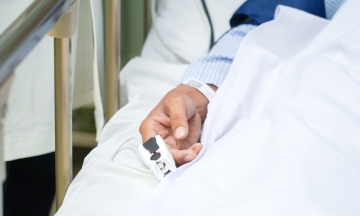
Thrombolytic drugs are a class of medications that dissolve blood clots causing blockages. Specialist Doctor Grade I Nguyen Huu Khanh from the Center for Neuroscience, Tam Anh General Hospital Ho Chi Minh City, states that in stroke treatment, these drugs are used for acute ischemic stroke—a condition where arteries supplying the brain are blocked by a blood clot, interrupting blood flow to the brain. These drugs are not used for hemorrhagic stroke, as they could worsen the bleeding.
Intravenous thrombolytic drugs work by activating plasminogen into plasmin, an enzyme that breaks down fibrin, the main component of a blood clot. When a blood clot is dissolved early, blood flow can be restored, saving the brain tissue that is still salvageable (the penumbra).
According to Doctor Khanh, the 4.5-hour mark is established as the "golden hour" because, after this period, prolonged lack of blood supply severely damages brain tissue, and vessel walls become fragile. Reperfusion that occurs too late can lead to hemorrhagic transformation, a condition where blood floods into necrotic brain regions, worsening the patient's condition and threatening their life. In some special situations, such as stroke upon waking (when the exact onset time is unknown), special imaging techniques are used to assess whether thrombolytic drugs can be administered.
Treatment effectiveness largely depends on the timing of hospital admission. The earlier a patient receives the drug within the "golden hour" window, the higher their chances of recovering motor skills, language, and independent daily activities. Every minute that passes, millions of irreplaceable brain cells can be lost.
Before administering the drug, patients undergo an emergency brain CT scan to rule out hemorrhagic stroke. Thrombolytic drugs are only applicable for acute ischemic stroke. Additionally, doctors evaluate factors such as blood pressure, blood sugar, surgical history, bleeding risk, or the use of anticoagulants to ensure patient safety.
In certain cases, advanced imaging modalities like MRI or perfusion CT may be used to assess the salvageable brain tissue, thereby considering an expansion of treatment indications.
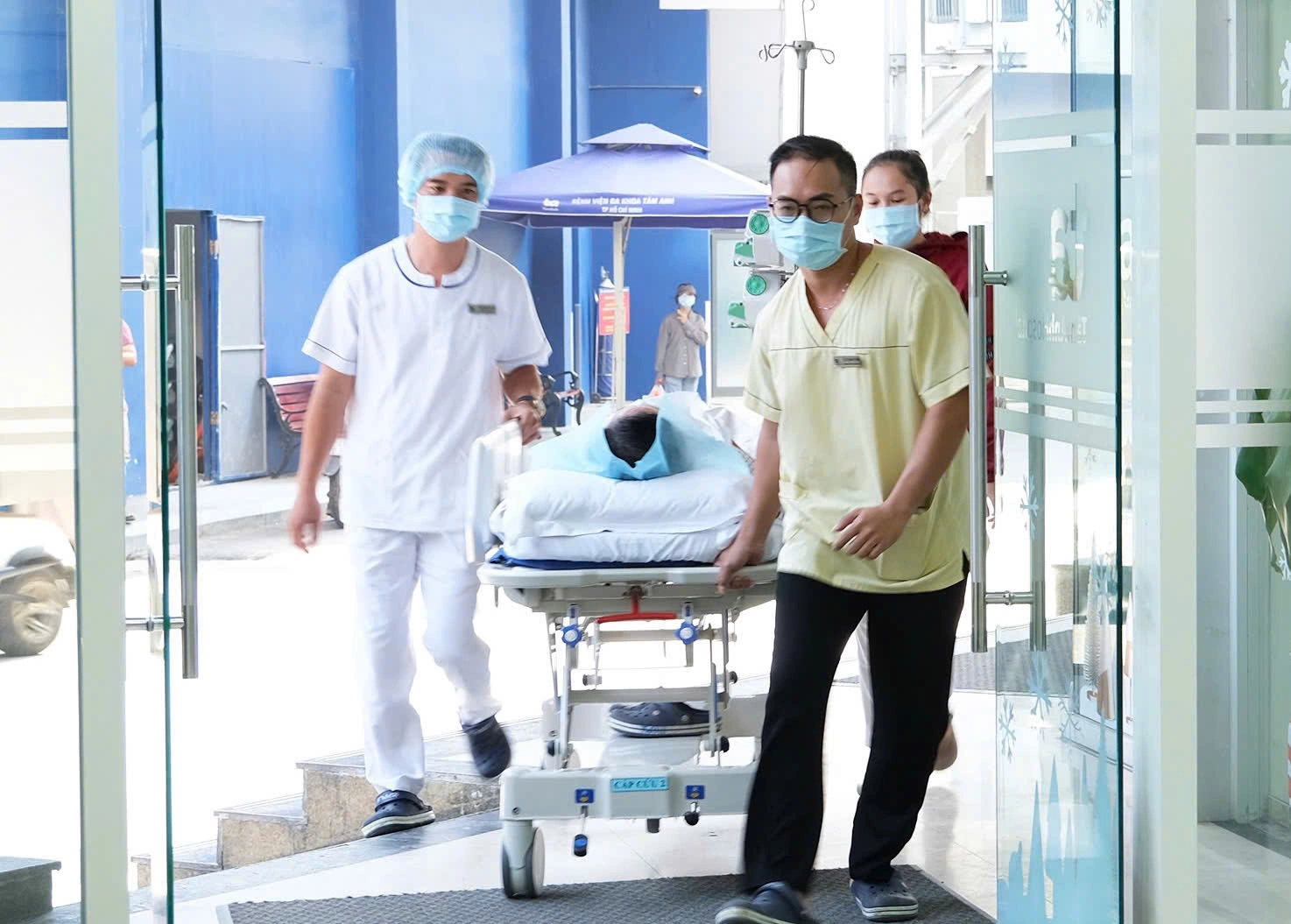 |
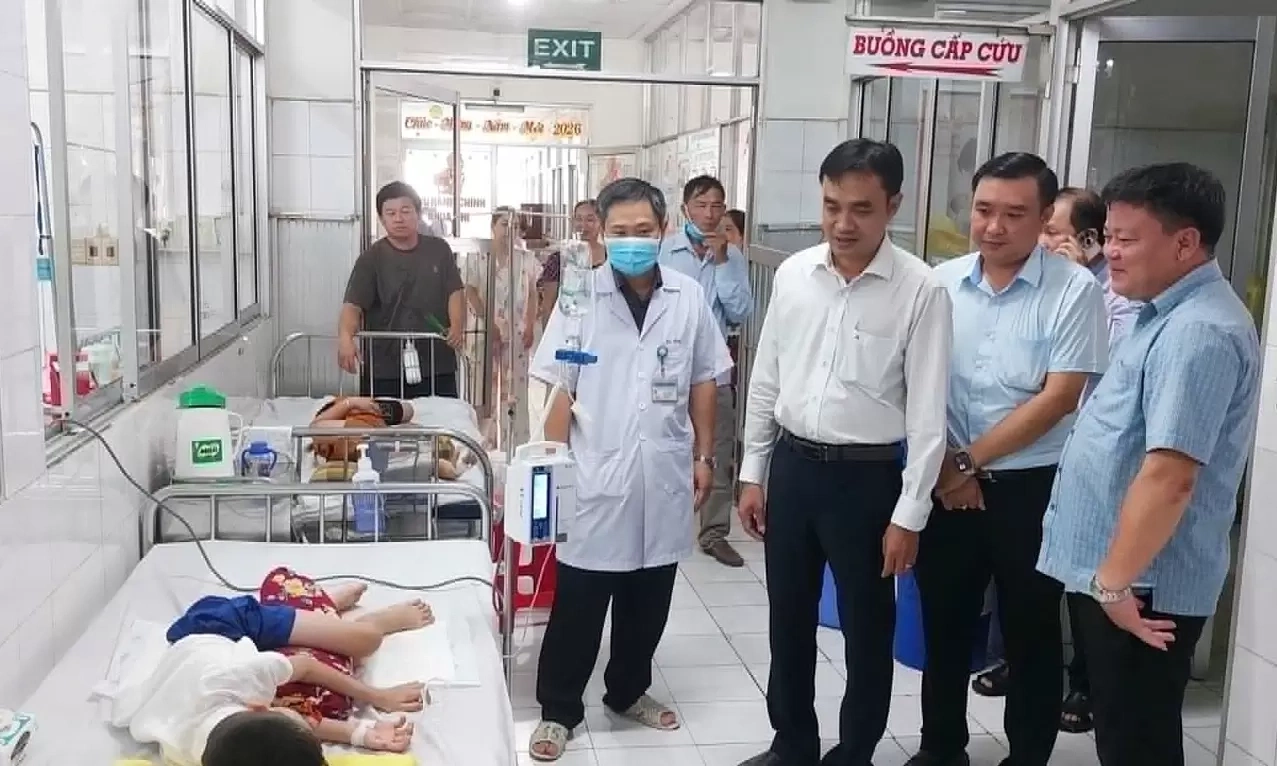
Patients with stroke receive early emergency care to reduce the risk of death and long-term sequelae. Photo: Tam Anh General Hospital |
Patients need to recognize early signs of stroke using the FAST rule: facial drooping, arm weakness, speech difficulty, and time to call emergency services immediately. Do not wait for symptoms to resolve on their own or attempt self-treatment at home (such as pricking 10 fingertips), as this can lead to missing the critical 4.5-hour treatment window, a period that determines the potential for recovery and future quality of life.
To prevent stroke, Doctor Khanh recommends effectively managing risk factors such as hypertension, diabetes, dyslipidemia, atrial fibrillation, overweight, and smoking. Maintaining a healthy diet, limiting salt and saturated fats, exercising regularly, and managing stress are crucial. Individuals over 40 years old or those with underlying cardiovascular conditions and a family history of stroke should undergo early screening, including blood pressure checks, lipid panel tests, echocardiograms, carotid ultrasounds, or brain MRI scans when indicated.
Trong Nghia
| Readers can submit questions about neurological diseases here for doctors to answer. |