Tham had a natural pregnancy that ended in miscarriage. Subsequently, three ectopic pregnancies, where the fetus implanted in her fallopian tubes, led to surgeries to remove both tubes, eliminating her ability to conceive naturally.
Upon arriving at the Center for Reproductive Assistance, Tam Anh General Hospital Ho Chi Minh City (IVF Tam Anh TP HCM), her ovarian reserve was severely depleted, with her AMH level at 0,5 ng/ml. Her 48-year-old husband also had weak sperm.
Doctor Pham Thi My Tu assessed this as a complex case. She recommended Tham undergo hysteroscopy and biopsy. The results showed chronic endometritis with severe endometriosis, requiring broad-spectrum antibiotic treatment.
Once her condition was managed, doctor Tu devised a two-cycle egg retrieval protocol for Tham, collecting 10 oocytes and creating 4 embryos. However, the subsequent four embryo transfers resulted in biochemical pregnancies, miscarriages, or failed implantations.
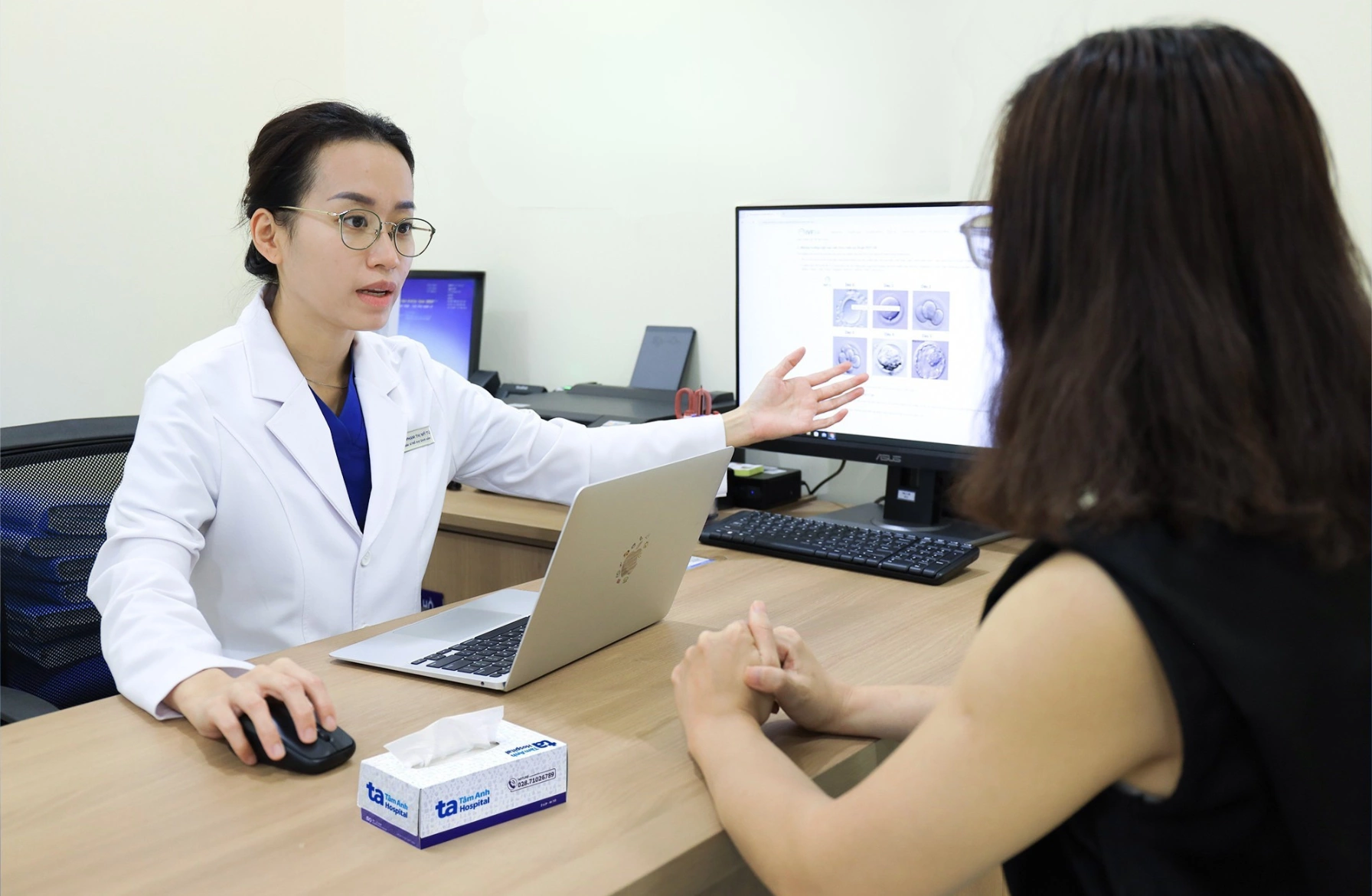 |
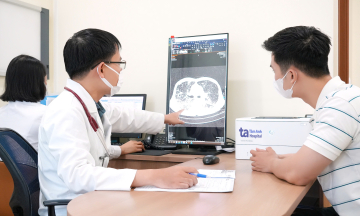
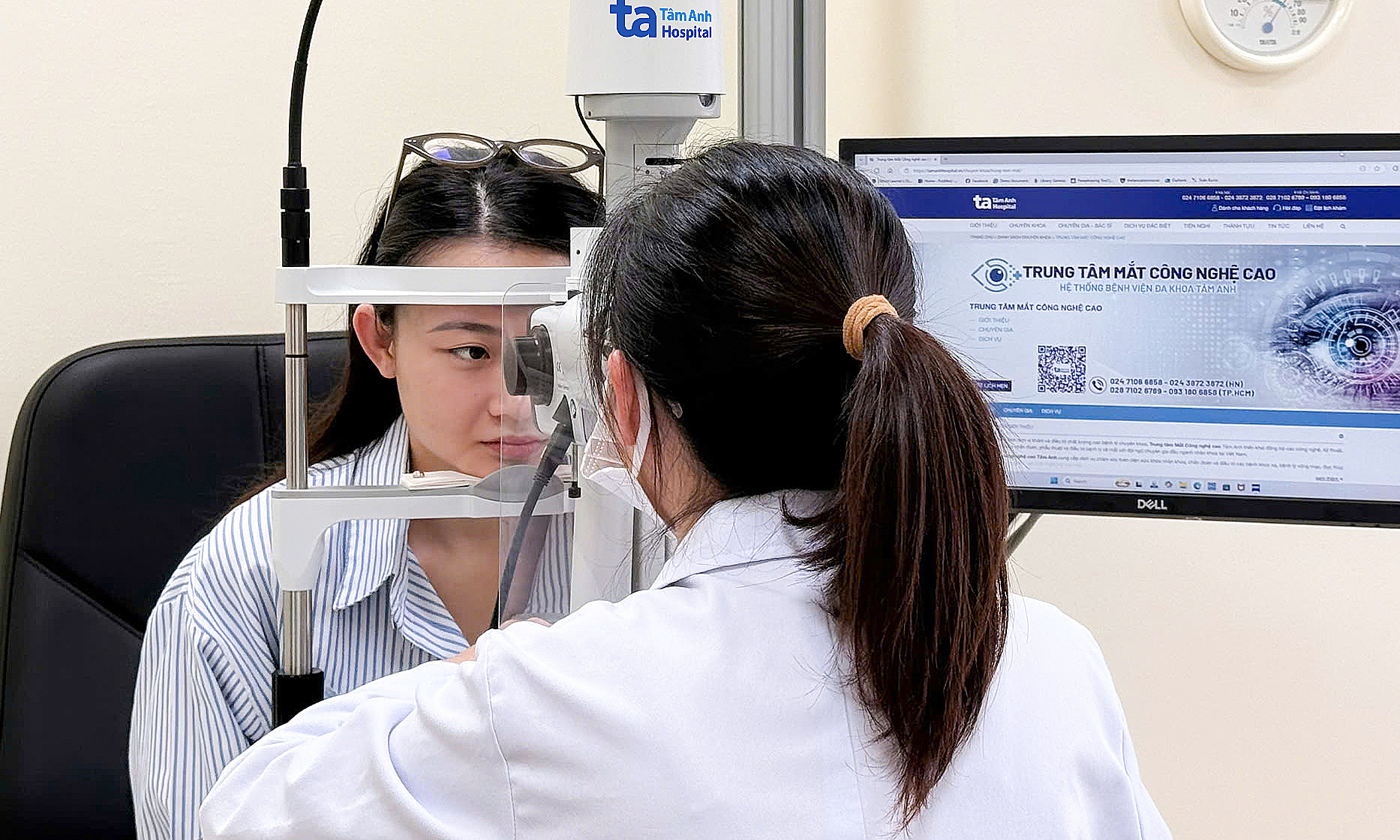
Doctor Tu consults Tham on embryos. Photo: IVF Tam Anh |
With no remaining eggs or embryos, Tham and her husband decided to seek an egg donation from her niece. The 19-year-old donor had a robust ovarian reserve, allowing doctors to retrieve 15 oocytes after a single stimulation cycle. These were combined with the husband's sperm to create embryos. However, Tham's fifth embryo transfer still did not result in pregnancy.
Doctor Tu explained that prolonged chronic inflammation from endometriosis altered the uterine lining, caused immune dysfunction, and reduced the endometrium's receptivity to embryos. Consequently, embryos struggled to implant and develop, even when of good quality.
Doctor Tu encouraged Tham to attempt a sixth embryo transfer. This time, the embryo successfully implanted, but the gestational sac showed a 10% detachment at 5 weeks of pregnancy. Doctors prescribed medication to support the pregnancy and hormonal therapy to help the embryo firmly attach to the uterine lining. A month later, threatened miscarriage symptoms recurred, requiring Tham to be hospitalized for two weeks for pregnancy preservation. After navigating the challenging first three months, the fetus stabilized and developed well within the uterus. A baby boy was born in February, weighing 3 kg.
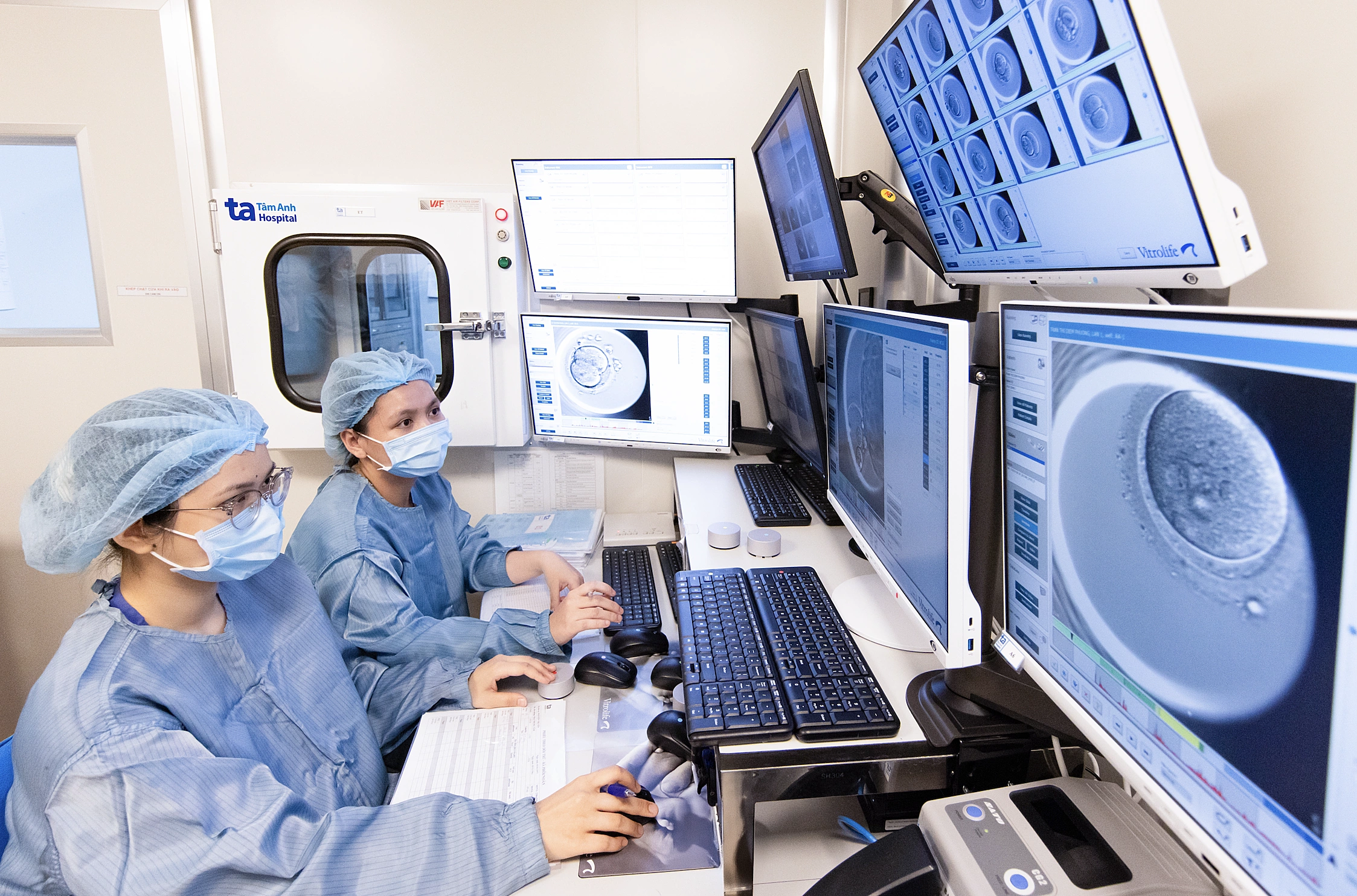 |
The Time-lapse embryo culture system features continuous observation cameras with integrated AI. Photo: IVF Tam Anh |
Most women over 40 require donated eggs for in vitro fertilization due to significantly diminished ovarian reserves and an increased risk of chromosomal abnormalities. This is a difficult decision, as couples often desire children sharing their genetic lineage. Moreover, many face challenges finding egg donors.
Doctor Tu advises infertile couples to choose egg donors who are young, ideally under 30 and not exceeding 35 years old. At this age, egg quantity and quality are high, with a lower risk of chromosomal abnormalities, leading to healthier embryos and reduced rates of miscarriage or birth defects.
Women with low AMH or those over 35 should not delay childbearing for too long. If not ready for motherhood, it is important to proactively freeze eggs early to preserve fertility.
Nguyet Nhi
*Character's name has been changed
| Readers can submit questions about infertility here for doctors to answer |