Squatting is a common exercise and a daily activity, used for tasks like picking up objects or lifting heavy items. Certain conditions can cause knee pain during this movement. The location of the pain depends on the cause, potentially occurring below the kneecap or in other parts of the knee joint.
If the pain is due to patellofemoral pain syndrome, individuals will feel discomfort at the front of the knee, near the kneecap, when squatting. This condition often results from overuse in sports, injury, or muscle imbalance.
Other potential causes of knee pain include:
Patellar tendinitis causes pain at the base of the kneecap and can also lead to swelling or a burning sensation around the kneecap.
Osteoarthritis leads to swelling, knee weakness, increased pain in the morning, and a clicking sound when moving the knee.
Knee injuries result in localized pain and swelling.
Iliotibial band syndrome also presents with pain in the hip and upper thigh.
Bacterial arthritis can cause swelling, redness, and a warm sensation around the joint, accompanied by fatigue and loss of appetite.
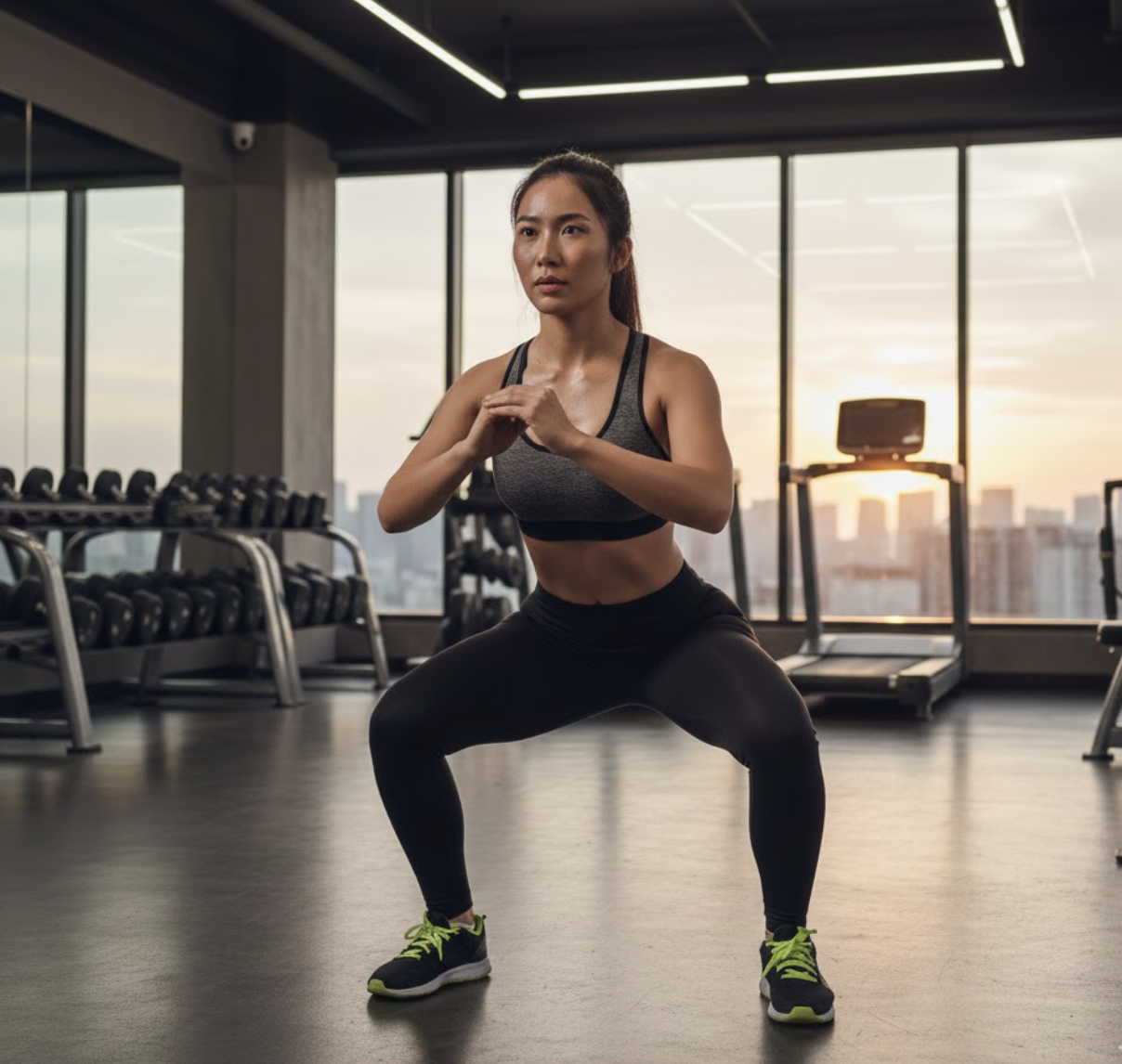 |
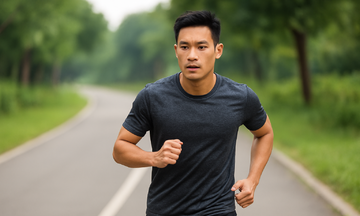
Perform squats with correct form to avoid knee joint pain and injury. Illustration created by AI |
If you experience a knee injury, consult a doctor for examination and treatment, especially if the cause is a fracture or another serious condition. For mild pain when squatting, several home remedies can help manage the discomfort.
Adjusting activities can alleviate knee pain. Consider changing exercises or daily routines. If you prefer not to stop physical activities entirely, switch to lower-impact options such as swimming, water aerobics, aqua jogging, or cycling.
The RICE method is effective for knee pain caused by sprains or muscle strains. It involves four key steps:
Rest: Stop any exercises that aggravate your knee pain. Avoid daily activities that put pressure on the knee.
Ice: Apply a cold pack to your knee for 20 minutes at a time, several times a day. Wrap the ice in a thin towel; do not apply ice directly to the skin.
Compress: Wrap an elastic bandage around your knee to reduce swelling, but avoid wrapping it too tightly. Ensure there is an opening over the kneecap.
Elevate: Lie down and prop your leg on pillows so that your knee is higher than your heart.
Applying heat to the knee is suitable if the pain is related to arthritis or joint stiffness. High temperatures improve blood flow and oxygen delivery to the affected area.
Proper massage can reduce muscle tension around the joint, alleviating pain and preventing future injuries.
Over-the-counter (OTC) pain relievers or nonsteroidal anti-inflammatory drugs (NSAIDs) can help reduce pain and inflammation.
To minimize knee pain, ensure you perform squats with proper form. Begin by standing with your back against a wall, feet shoulder-width apart. Your heels should be 45 cm from the wall, and your knees should be aligned with your heels. Take a deep breath and bend your knees to a 90-degree angle as you exhale. Lower yourself as much as possible, but do not let your hips go below your knees. Always keep your knees aligned with your heels.
To return to a standing position, tighten your core muscles and press your back against the wall. Inhale, then slowly raise yourself back to the starting standing position. Push up through your heels instead of the balls of your feet to ensure you engage the muscles at the back of your legs. It is beneficial to practice squats in front of a mirror to easily monitor and adjust your posture.
Regular exercise, including strength training, helps strengthen the protective muscles around the joints. Gradually increase exercise intensity to avoid injuries. Always warm up and stretch properly after all physical activities.
Lose weight if you are overweight or obese to reduce daily pressure on your knees. Use recommended orthotics to correct foot issues, as flat feet or high arches can increase the risk of injury.
Anh Ngoc (According to Healthline)
| Readers can ask questions about musculoskeletal conditions here for a doctor's response |