Leg cramps are a common, benign occurrence for pregnant women, most frequently experienced from the second trimester through late pregnancy. These cramps often strike at night, typically affecting the calves or feet.
Several physiological changes during pregnancy contribute to leg cramps. Increased blood volume and pressure from the uterus compress pelvic blood vessels, hindering venous blood return from the legs. This leads to swelling and muscle irritation. Rapid weight gain also alters gait and the body's center of gravity, placing additional stress on calf and foot muscles. Prolonged standing or fatigue can easily trigger nighttime cramps.
Furthermore, deficiencies or altered metabolism of minerals such as calcium, magnesium, and potassium are linked to the frequency of cramps.
When a sudden muscle spasm occurs, straighten your leg and gently pull your toes towards your body. Lightly massage the cramped muscle area. Applying a warm compress with a towel or heating pad can help relax the muscle. Elevating your legs while sleeping can also prevent recurrence.
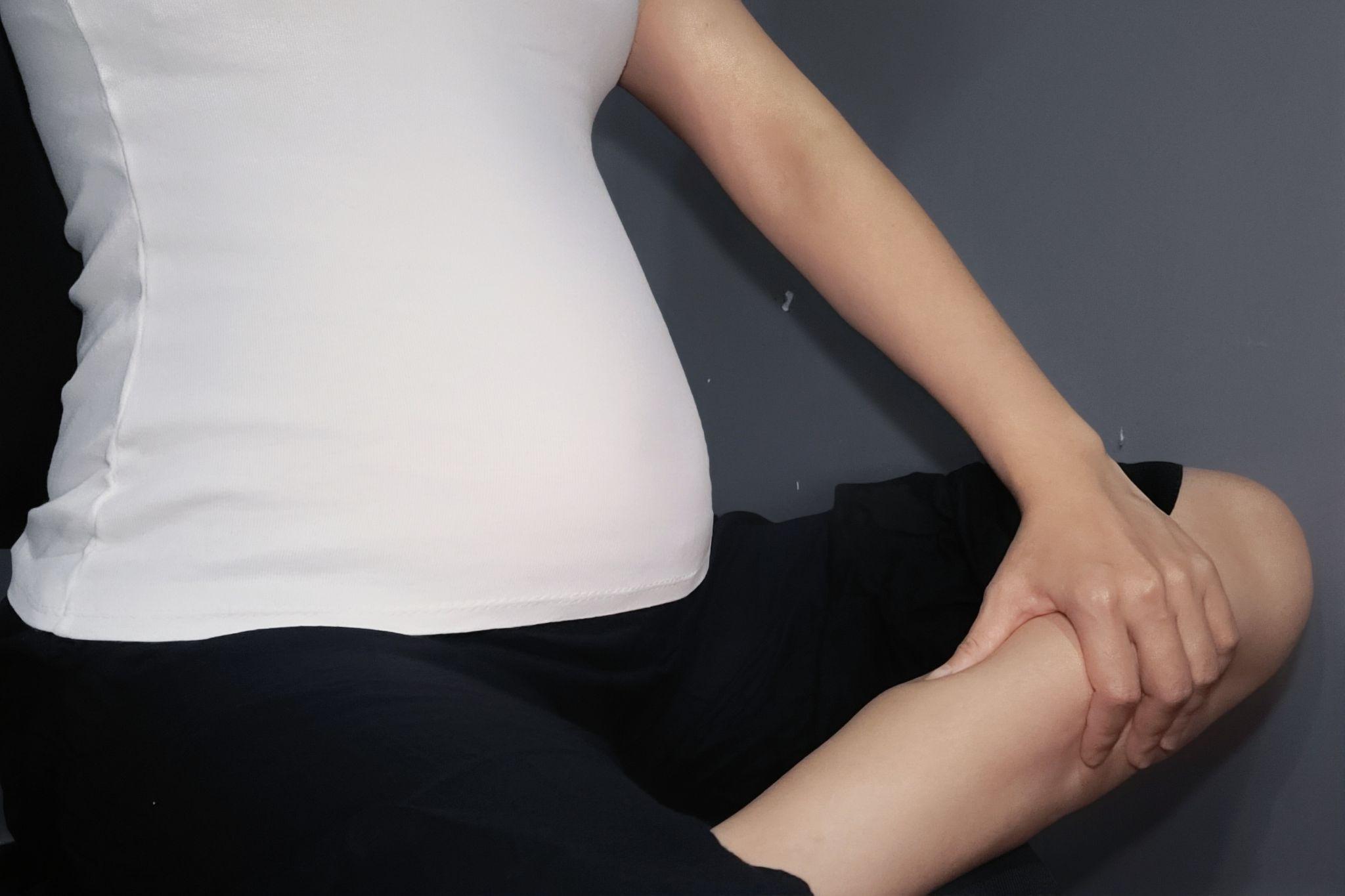 |
Pregnant mothers should massage their legs when experiencing cramps. Illustration: Ngoc Chau. |
Pregnant mothers should massage their legs when experiencing cramps. Illustration: Ngoc Chau.
To reduce nighttime leg cramps, ensure you drink 2-2,5 liters of water daily, as dehydration can lead to muscle spasms. Increase your intake of magnesium and calcium-rich foods such as: bananas, avocados, almonds, green vegetables, milk, and whole grains. However, a regular diet may not provide sufficient minerals for both mother and fetus, so consider taking supplements with appropriate dosages as prescribed by your doctor.
Establish a routine of stretching your calf muscles before bed. Engage in gentle exercises like walking, swimming, or prenatal yoga to enhance blood circulation. Choose comfortable footwear, limit wearing high heels, and avoid sitting or standing in one position for more than 1-2 hours. Pregnant women experiencing varicose veins should use medical compression stockings to improve venous blood flow back to the heart, reducing circulatory stagnation and nighttime spasms.
Seek immediate medical attention if you experience one leg that is swollen, red, hot, or has persistent pain that does not subside, or if these symptoms are accompanied by shortness of breath, chest pain, fever, vaginal bleeding, or increasing abdominal pain. A doctor will conduct an examination, perform a vascular Doppler ultrasound, and order necessary tests if deep vein thrombosis or other conditions are suspected. This ensures appropriate treatment and safety for both mother and fetus.
Master of Science, Doctor Nguyen Phuong Thao
Fetal Medicine Unit
Tam Anh General Clinic District 7
| Readers can submit questions about pregnancy and childbirth here for a doctor's answers. |