While genital warts themselves can be removed through various methods, the underlying human papillomavirus (HPV) infection currently has no definitive cure. About 90% of anogenital wart cases are associated with HPV types 6 or 11. Treatment methods like liquid nitrogen cryotherapy, electrocautery, laser therapy, surgical excision, or prescribed topical medications help destroy and remove lesions, reducing itching, pain, bleeding, and limiting the spread of warts.
These methods do not guarantee complete elimination of HPV that may still be present in the surrounding skin and mucous membranes. Therefore, while the condition may not manifest lifelong, warts can reappear after treatment due to the virus's persistence.
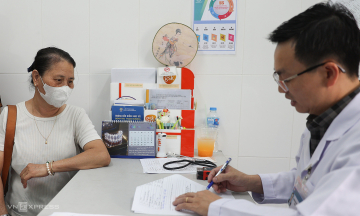
Recurrence after two cryotherapy or laser sessions does not mean the condition is uncontrollable. Some cases require multiple treatment courses or a combination of methods, depending on the number, size, and location of lesions, patient response, and immune status. You should attend follow-up appointments and complete the full treatment regimen. Do not self-medicate with acids, topical creams, or unverified products on the genital area.
 |
Individuals with genital warts do not necessarily have to live with warts or lifelong recurrences. Illustration: Vecteezy |
If lesions do not respond to standard protocols, continue to grow, show unusual coloration, become firm, ulcerate, bleed, or adhere to underlying tissue, a doctor may need to re-evaluate the diagnosis and perform a biopsy to rule out other conditions.
While warts are present, you should avoid sexual activity, inform your partner, and seek counseling for testing for other sexually transmitted infections. Condoms help reduce the risk of HPV transmission but do not offer complete protection, as the virus can exist on uncovered skin areas. Partners should also seek medical examination if they experience unusual growths, itching, burning, or bleeding in the genital and anal areas.
Individuals who have or currently have genital warts can still receive the vaccine. The vaccine does not treat existing HPV types but helps protect against other types the body has not encountered and reduces the risk of reinfection.
Currently, Vietnam offers a new generation vaccine protecting against 9 common HPV types: 6, 11, 16, 18, 31, 33, 45, 52, and 58. This vaccine is for males and females aged 9-45. Individuals aged 9-14 require two doses, administered approximately 6-12 months apart, while those aged 15-45 need three doses within 6 months. Another vaccine protecting against 4 HPV types (6, 11, 16, 18) is indicated for females aged 9-26.
Dr. Nguyen Tien Dao
Medical Manager, VNVC Vaccination System
Readers can submit vaccine-related questions for doctors to answer here.