After inflammation or skin damage is controlled, areas previously affected by acne, eczema, burns, or similar conditions may appear lighter than the surrounding skin. This occurs because melanocytes are damaged or their melanin production is reduced.
According to Doctor of First Degree Specialization Vo Thi Tuong Duy from the Dermatology and Skin Aesthetics Unit at Tam Anh General Clinic District 7, the skin's ability to self-recover depends on the cause, the extent of the damage, and the condition of the melanocytes. Therefore, it is essential to correctly identify the underlying cause before selecting a treatment approach.
The initial step in treating post-inflammatory hypopigmentation involves controlling the inflammatory condition itself. Patients must address underlying issues such as acne, eczema, dermatitis, or infections. They should also avoid scratching, rubbing, or continuing to use products that might cause irritation. A compromised skin barrier makes the skin prone to dryness, stinging, and increased sensitivity, which prolongs the recovery process.
Additionally, patients should moisturize regularly with gentle, fragrance-free products and limit ingredients that can easily cause irritation. It is not advisable to use harsh peeling creams, bleaching agents, or strong exfoliants to quickly even out lighter skin areas. Over-aggressive treatment can reignite inflammation, leading to prolonged pigment disorders.
Sun protection is a crucial step in the skin recovery process. Ultraviolet (UV) rays can cause the surrounding healthy skin to increase melanin production, making the hypopigmented areas more contrasted and noticeable.
Applying broad-spectrum sunscreen daily is recommended, along with physical protection when outdoors. While skin protection does not immediately restore pigment, it minimizes the color difference between the affected area and the surrounding skin, helping the recovering skin avoid further irritation.
 |
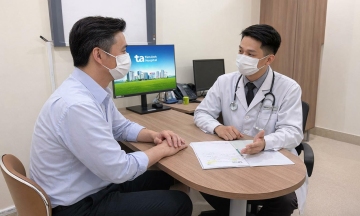
Doctor Duy consulting a patient. Illustration: Tam Anh General Clinic District 7 |
Doctor Duy consulting a patient. Illustration: Tam Anh General Clinic District 7
Doctor Duy stated that many cases of post-inflammatory hypopigmentation can gradually return to their original skin color once inflammation is controlled. However, if the lighter skin areas persist, spread, or if new lesions appear, patients should visit a hospital for evaluation by a dermatologist and skin aesthetics specialist.
Once the cause is identified, the doctor may prescribe appropriate topical medications to control inflammation and immune responses. Patients must use these medications strictly according to the doctor's instructions to minimize side effects.
For cases where pigment recovery is slow, combining technologies such as fractional CO2 laser or microneedling may be considered to stimulate skin and pigment regeneration. These methods require prior evaluation by a doctor, as excessive damage could lead to renewed inflammation and more severe pigment disorders.
According to Doctor Duy, no method can immediately restore hypopigmented skin to its normal color. The potential for recovery depends on whether melanocytes are still active or deeply damaged, the underlying cause of the condition, and the duration of the lesion's existence. Areas with longer-standing or deeper damage typically require more time to improve.
If abnormal lighter skin areas appear after inflammation, burns, injury, or cosmetic procedures, it is advisable to seek a medical examination at a hospital. This helps identify the cause, ensures skin safety, and prevents unwanted complications.
Minh Huong
| Readers can submit questions about dermatology and skin aesthetics here for doctors to answer. |