Tran, a 34-year-old freelance media worker in China, faced a critical, life-threatening situation after following an intensive weight loss program generated by artificial intelligence (AI), according to CCTV News.
Standing 1,8 meters tall but weighing 120 kg due to late nights and a diet rich in fatty foods, Tran sought AI assistance to create a rapid fat loss plan. He adhered strictly to the program's specifications. His daily routine included a rigorous 90-minute stair climbing session, two to three hours of badminton two to three times a week, combined with strict portion control and monitoring his heart rate and calorie consumption with a smartwatch.
Despite losing 20 kg in just 45 days, the combination of overexertion, energy deficit, and prolonged late nights severely depleted his body and weakened his immune system. In early February, Tran persisted with his workout despite having the flu, which led to a high fever, chills, difficulty urinating, and eventually a deep coma. His family rushed him to the emergency room.
At Chengdu First People's Hospital, doctors diagnosed him with urosepsis, septic shock, and multiple organ dysfunction syndrome. Thanks to a multidisciplinary intensive care protocol involving fluid resuscitation, organ protection, and timely anti-infection measures, doctors saved his life.
 |
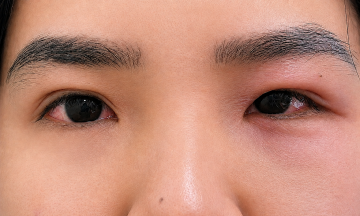
Illustrative photo: Harvard Health Publishing |
After his discharge, Tran changed jobs, abandoned his late-night habits, and underwent traditional medicine rehabilitation to maintain his weight at 90 kg. However, he still suffers from sequelae such as myocarditis, recurrent kidney stones, and hair loss.
Assessing the case, Doctor Cao Luong Hai, Deputy Head of the Intensive Care Department, stated that Tran's pre-existing kidney stones, coupled with energy depletion, excessive exercise, and dehydration, caused urinary tract obstruction and infection. This turned a common flu into a trigger that collapsed his immune system. The expert emphasized that AI operates solely on algorithms and statistics and cannot perceive the body's physical limits. Therefore, individuals must listen to their body's signals instead of sacrificing their health to pursue rigid weight loss goals.
Tran's AI-assisted weight loss story garnered significant attention from Chinese social media users. Many bloggers also posted detailed guides on using AI tools to create personalized weight loss plans on various platforms. However, some users began to question the reliability of these methods after experiencing them.
One blogger shared that he no longer fully trusts AI after asking the tool to create a weight loss plan aiming for 10% body fat within one month (initially three low-carb days, one high-carb day). After one week of feeling excessively tired, the blogger asked the AI if he could eat more carbs and still achieve the 10% body fat goal that month. The AI responded that increasing rice intake from three bowls to five bowls daily would still allow him to reach his weight loss target.
The generic suggestions from AI cannot identify underlying medical conditions, medication history, actual physical fitness, or unusual symptoms of users. Fitness trainers and doctors agree that these tools can only assist in information synthesis and cannot replace professional risk assessment and expert judgment.
Luu Hao, a long-time personal trainer in Beijing, explained that AI health tools rely on vast datasets of medical, sports, and nutritional information to quickly integrate basic user parameters such as height, weight, fat percentage, and lifestyle habits. This allows them to provide standardized, low-cost plans, helping people avoid fundamental mistakes like blind dieting or ineffective workouts.
However, when applying AI-generated plans in practice, many clients still encounter issues, such as an inability to tolerate the intensity even in the initial stages. Trainer Luu clarified that even with goal adjustments for individual clients, these are not "perfectly tailored" plans. They require flexible modification based on the actual physical condition of the individual during exercise.
Experts acknowledge that many clients have approached them for consultation regarding AI-designed weight loss plans. Most of these plans share common limitations: excessive dieting, overly intense workouts, and an extreme focus on speed. Obesity results from long-term unhealthy lifestyle habits, so the weight loss process must be gradual. There is no "rapid weight loss" method that is both safe and effective.
Doctor Vuong Sieu Quan, Head of General Surgery at Xiamen University First Hospital, noted that, from a positive perspective, using AI to design weight loss plans offers superior intelligence, helping people access foundational health knowledge at minimal cost. However, a limitation of current AI tools is their inability to adapt to the complex physiological states of the human body. This is a reason users can easily experience health exhaustion.
Doctor Vuong recommends that people can use AI to create a basic weight loss framework to understand safe weight loss principles. However, specific implementation steps must be based on each individual's physical condition and require direct guidance and supervision from specialists.
Binh Minh (According to CCTV News, China Times, Hangzhou Daily)