The SBS program "Morning Wide" on 26/11 reported on a couple's divorce stemming from a liver transplant issue. The husband, diagnosed with a rare liver disease and given one year to live, asked his wife to donate a part of her liver after she was identified as a "suitable" match for the transplant, according to Nate on 1/11.
The wife refused, citing a fear of sharp objects. "Even seeing a needle terrifies me, and the thought of a sharp scalpel makes it impossible for me to lie on an operating table," she said. Despite her refusal to donate an organ, the woman diligently cared for her husband during his illness.
In response to her care, the husband accused his wife of being disingenuous and repeatedly used abusive language. His parents also pressured her, criticizing their daughter-in-law for "just watching her husband die." Family conflict escalated.
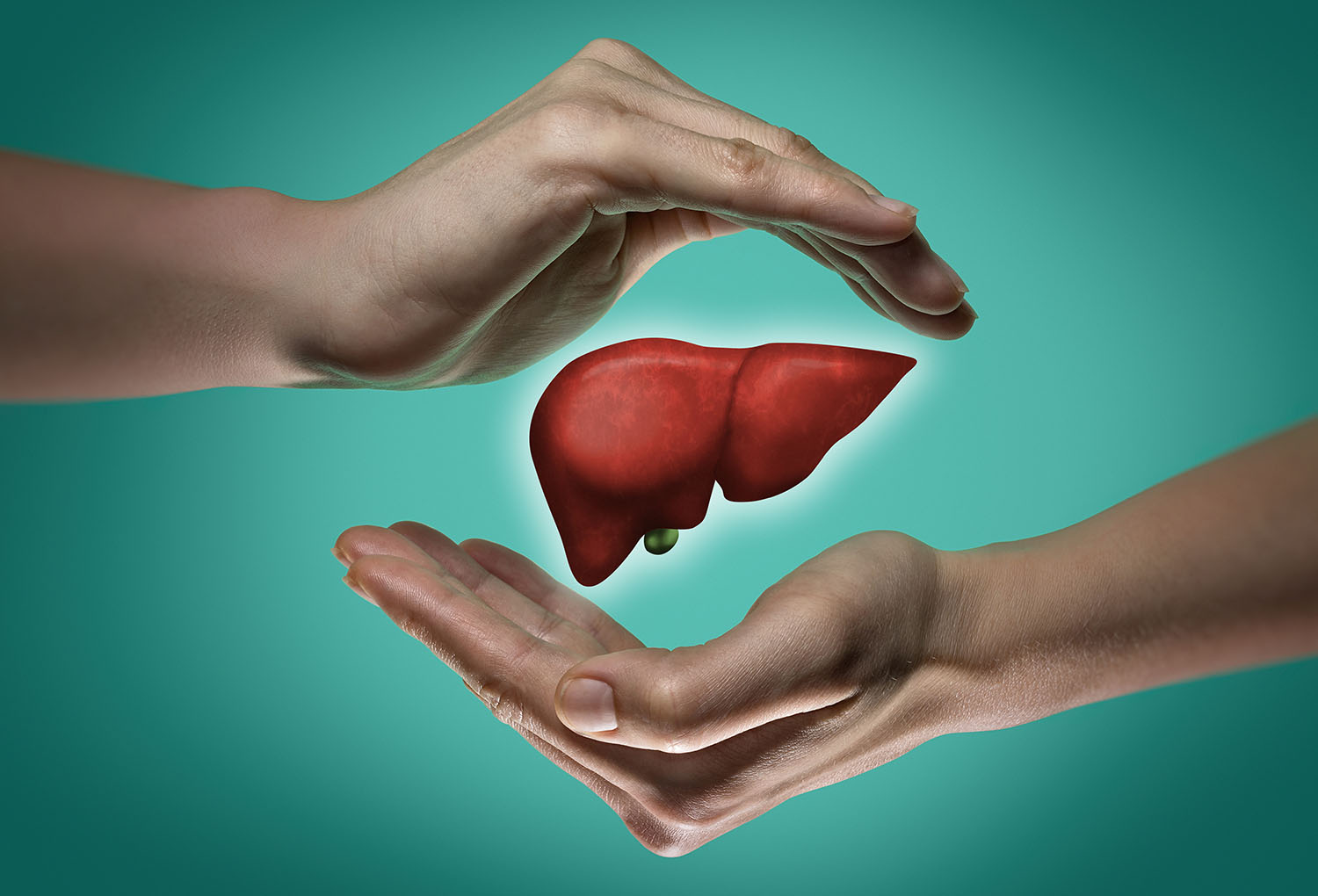 |
Illustration: NHS |
Fortunately, a suitable brain-dead organ donor was later found, allowing the husband to undergo surgery and recover. However, upon his recovery, he investigated and discovered that his wife did not suffer from a fear of sharp objects as she had claimed.
Admitting her lie, the wife explained her concern that surgical risks would affect her ability to care for their young daughter. Despite her pleas for forgiveness, the husband filed for divorce, questioning: "Do you even care if I live or die?"
According to Chosun, the court ruled that the wife's refusal to donate a liver was not grounds for divorce. The court stated that "organ donation is a matter of profound bodily autonomy" and "her refusal cannot be attributed as the cause of the marital breakdown." As the guardian of a young child, the wife undoubtedly had real worries and concerns about her own health.
Due to irreconcilable differences, both parties subsequently agreed to divorce and proceeded to an appeals court to determine who was responsible for the breakdown. There, the judicial panel sided with the wife.
The verdict clearly indicated that the deep cause of the separation was not the wife's lie or her decision to refuse organ donation. Responsibility lay entirely with the husband for coercing his partner, insulting her, and severely damaging the trust between them. This ruling serves as a warning about the limits of ethics and law in family medical matters.
In reality, living liver donation is a complex major surgery with a complication rate for donors of up to 15-30%, including infection, bile leakage, and prolonged recovery. In international organ transplant protocols, the principle of voluntary consent is paramount, and doctors are obligated to cancel a surgery if they detect any psychological pressure or coercion from the family on the donor.
Binh Minh (According to News 1, Nate)