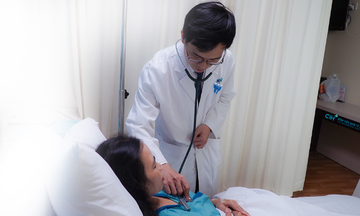
A 41-year-old man recently sought help from Dr. Tra Anh Duy at the Men’s Health Center, concerned about a perceived decline in his libido. He reported feeling fatigued and anxious, struggling to keep up with his wife's increased desire after she turned 38. While initially finding her proactivity exciting, months of work pressure, a demanding schedule, and sleep deprivation left him feeling exhausted. Despite his worries about a physiological issue, medical examinations and tests revealed normal hormone levels and physiological functions, with no physical disorders. Dr. Duy diagnosed the decreased libido as a result of prolonged stress and anxiety, rather than an underlying physical condition.
Dr. Tra Anh Duy emphasized that persistent worry about sexual performance creates significant psychological pressure, which gradually diminishes desire and focus on intimacy. This anxiety often exacerbates the problem, leading to a cycle where stress further reduces libido.
It is normal for women to experience fluctuating sexual desires, often linked to hormonal changes, overall health, and mental well-being. However, within Vietnamese society, discussions around female desire can be sensitive, causing discomfort for both partners. Contrary to the common stereotype of men always initiating intimacy, many husbands experience pressure to perform.
According to experts, discrepancies in sexual desire do not reflect a lack of affection. Instead, they often stem from differing biological rhythms, work-related stress, lifestyle choices, and mental health. A lack of open communication can lead to feelings of guilt for the partner with lower desire and feelings of rejection for the partner with higher desire, fostering tension and misunderstandings within the relationship.
For the patient, Dr. Duy recommended lifestyle adjustments, including improving sleep quality, reducing evening work commitments, engaging in light physical activity, and most importantly, open and honest communication with his wife to establish a mutually comfortable rhythm for intimacy. Within approximately two months, the man's condition improved significantly, his anxiety lessened, and their marital life gradually returned to harmony. Dr. Duy advises men facing difficulties in their intimate lives not to hastily assume illness or suffer in silence. Often, the root cause is stress and psychological pressure, which can be effectively addressed through lifestyle modifications and improved communication, rather than immediate reliance on medication. Couples should focus on adjusting their intimate rhythm to suit both partners, avoiding undue pressure on one another. However, if a husband experiences prolonged decreased libido accompanied by fatigue, poor sleep, or reduced concentration, a testosterone check or a more thorough stress evaluation may be necessary.
Le Phuong