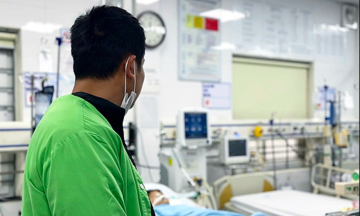
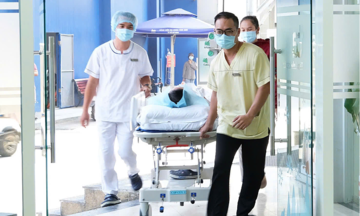
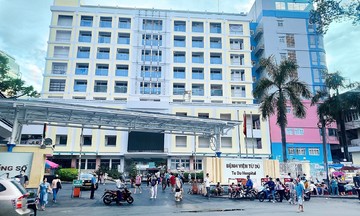
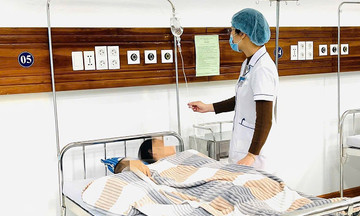
On 9/1, doctor Nguyen Duy Anh, from the Oncology Center, Radiation Therapy and International Nuclear Medicine at Phuong Dong General Hospital, reported that the on-call team performed emergency surgery to create a colostomy to relieve the patient's intestinal obstruction. The patient was admitted earlier with severe abdominal pain, anal discharge, inability to pass stool, and extreme emaciation, leaving him severely debilitated.
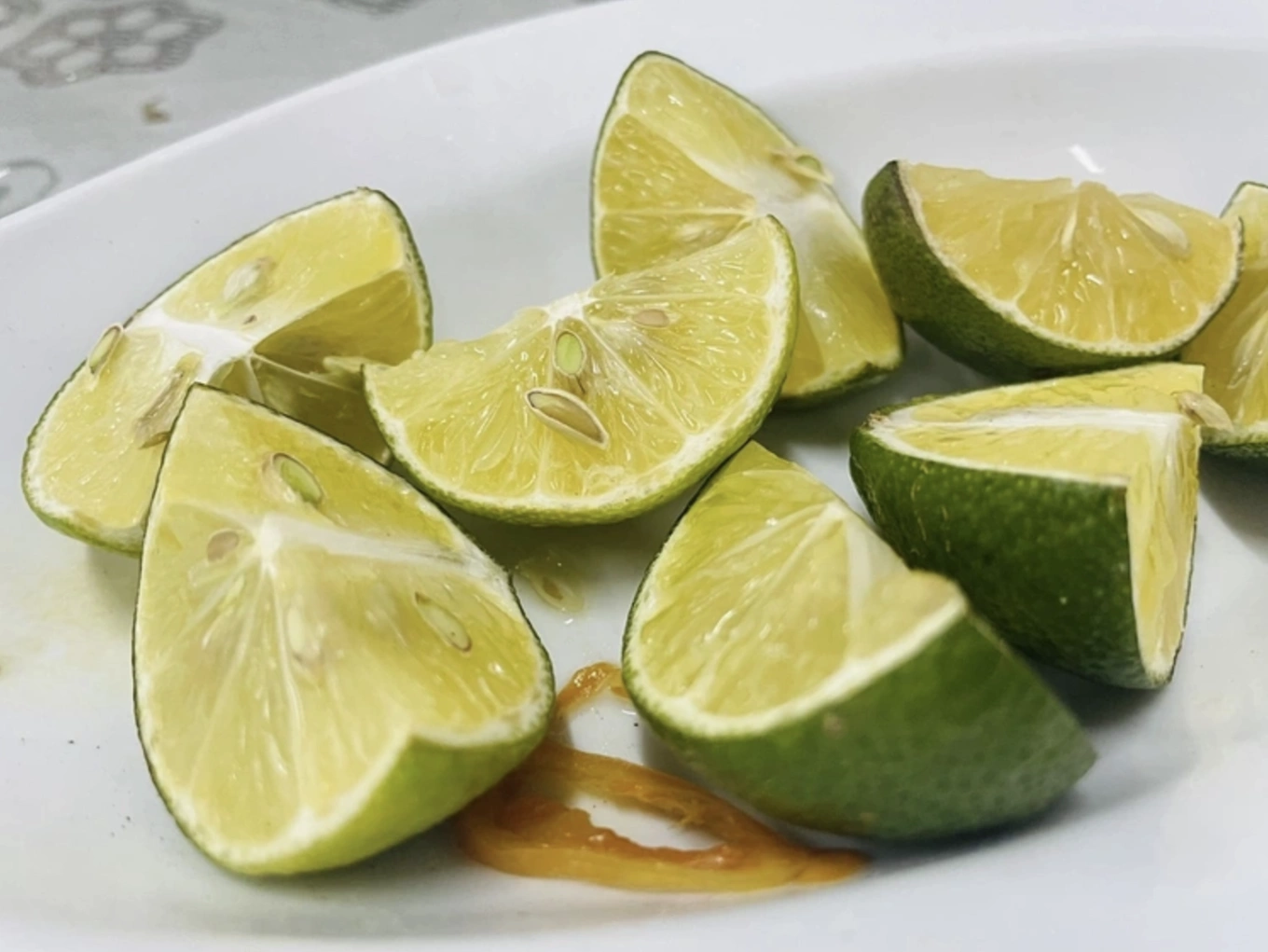 |
Cancer cannot be treated by fasting, drinking lemon water, alkaline water, traditional medicine, tobacco, or word-of-mouth remedies. *Minh Duc*
The patient was diagnosed with metastatic rectal cancer in 6/2025, presenting with bloody stools. Fearing the painful side effects of chemotherapy, he rejected the hospital's treatment plan. Instead, he adopted a self-treatment method guided by an online social media community. His regimen involved drinking lemon-salt water every morning, completely eliminating meat and starches, and consuming only fruits and vegetables, believing this "starvation" would cause cancer cells to die. When ultrasound showed no reduction in the tumor, he switched to drinking alkaline water combined with traditional medicine for two months.
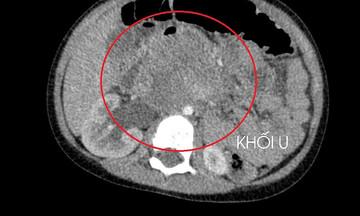
After six months on this strict regimen, the tumor not only failed to shrink but grew significantly, completely obstructing the rectum and causing intestinal blockage. Imaging results at the hospital revealed the liver tumor had grown to over 10 cm, with new metastatic nodules appearing in both lungs. Doctor Duy Anh stated that the patient had missed the "golden period" for effective treatment, allowing the cancer to advance to a late stage with a poor prognosis, necessitating much more complex interventions.
The expert confirmed that global medical literature has no scientific evidence proving that fasting, drinking lemon water, or using traditional medicine can eliminate cancer cells. Conversely, an unbalanced diet quickly leads to patient emaciation and a weakened immune system, creating conditions for malignant cells to proliferate more aggressively.
According to doctor Duy Anh, the belief that "late-stage cancer treatment is useless" is a common misconception that causes many people to miss opportunities for survival. Modern chemotherapy regimens, targeted therapies, and immunotherapy currently help patients with metastatic colorectal cancer extend their average survival time to 24-30 months, compared to only 6-8 months if they forgo treatment. Many individuals respond well, maintaining life for over 3-5 years with stable health and reduced pain.
Currently, two weeks after surgery, the patient is focusing on nutritional therapy to recover his physical condition before starting chemotherapy. Doctors advise people to be wary of online trends promoting "cancer cures without doctors" on social media and to consult directly with medical professionals immediately upon diagnosis.
Thuy Quynh