Headaches and dizziness are common during the Tet holiday period, often linked to late nights, alcohol consumption, dietary changes, or psychological stress. Doctor of First Degree Specialist Nguyen Huu Khanh, from the Department of Neurology at the Center for Neuroscience, Tam Anh General Hospital Ho Chi Minh City, notes that most symptoms improve with rest, adequate hydration, and lifestyle adjustments. However, if symptoms are unusual, prolonged, or accompanied by other neurological signs, patients should seek early medical attention for proper diagnosis and management.
Sudden, severe onset
A headache that begins suddenly, rapidly intensifies, and feels like a "thunderclap" may indicate a brain hemorrhage, subarachnoid hemorrhage, or ruptured brain aneurysm. These cases often involve nausea, vomiting, altered consciousness, or fainting.
Dizziness with numbness, difficulty speaking
Dizziness accompanied by numbness or weakness in limbs, facial asymmetry, difficulty speaking, double vision, loss of balance, or unsteady gait signals an ischemic stroke or damage to the brainstem or cerebellum. Doctor Khanh stresses this is a medical emergency, requiring immediate transport to a medical facility.
Persistent headache
If headache or dizziness persists for several days, recurs frequently, and does not improve with rest and common medications, patients should seek medical evaluation to diagnose the cause.
Accompanied by fever or altered consciousness
Headaches with high fever, stiff neck, nausea, confusion, lethargy, or drowsiness may indicate meningitis, encephalitis, or a central nervous system infection. These conditions necessitate early hospitalization and treatment to prevent severe complications.
After alcohol consumption or positional changes
Dizziness after heavy alcohol consumption, accompanied by lightheadedness, low blood pressure, palpitations, or fainting, may relate to arrhythmia, orthostatic hypotension, or vestibular disorders.
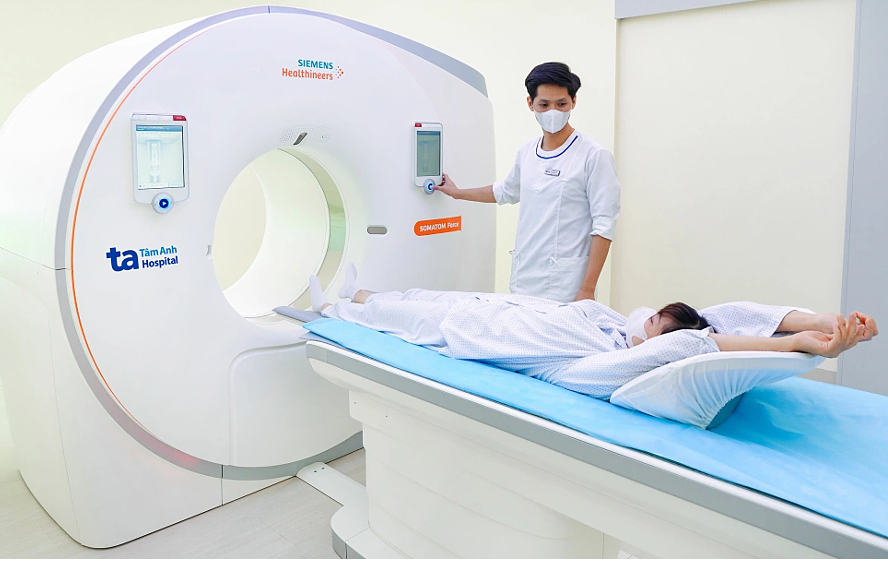 |
CT scans with 100,000 slices can detect early brain and cerebral blood vessel lesions. Photo: Tam Anh General Hospital |
Individuals with a history of hypertension, diabetes, dyslipidemia, cardiovascular disease, or previous stroke should be cautious of headaches and dizziness. These symptoms might reflect uncontrolled blood pressure or blood sugar, increasing cerebrovascular accident risk.
To identify the cause of headaches and dizziness, doctors may order blood pressure measurements, blood tests, electrocardiograms, vascular ultrasounds, or brain CT and MRI scans to detect early brain and blood vessel damage.
Doctors advise maintaining a balanced lifestyle during the Tet holiday, limiting alcohol, getting adequate sleep, staying hydrated, and avoiding self-medication. If unusual neurological signs appear, seek medical attention promptly; do not delay until after the holiday period.
Trong Nghia
| Readers can ask questions about neurological diseases here to receive answers from doctors |