The U.S. Department of Agriculture (USDA) states that plastic food film is only safe for microwave use if its packaging is labeled "microwave-safe". Experts offer technical analyses on this topic.
Risks of chemical migration
Expert Melissa Vaccaro explains that while plastic film is designed to withstand steam, direct contact with hot food can cause temperatures to spike beyond the plastic's tolerance.
Doctor Po-Yen Chen further explains that chemical migration is most likely when the film touches food, especially oily dishes, which tend to heat up quickly on the surface. The film can soften and deform at "hot spots" in the microwave, increasing microplastic transfer into food.
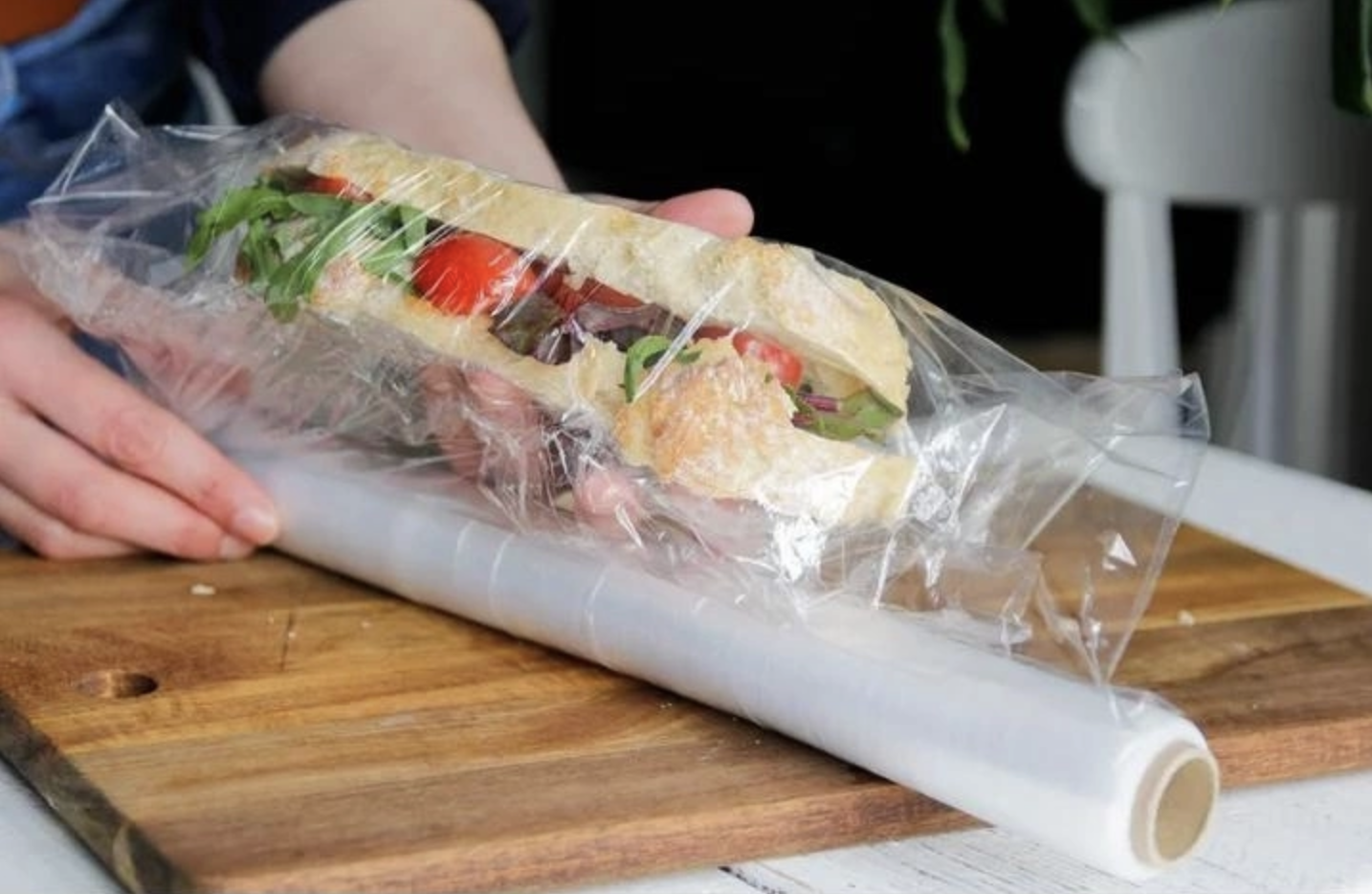 |
Chemical migration is most likely to occur when the film touches food. Illustration: Huffpost.
Is modern plastic film truly safe?
While most plastic food films have eliminated Phthalates, an endocrine disruptor, expert Laurie Beyranevand notes that they are often replaced with substances with similar chemical structures. When heated to high temperatures, these substances can still pose long-term health concerns.
"Although exposure from a single use is low, accumulation through daily habits should be avoided," Doctor Chen warns.
Golden rules for safe food reheating
To protect family health, experts recommend the following changes in habits:
- Prioritize glass or ceramic ware: The best approach is to reheat food in glass or ceramic bowls and dishes labeled as safe. Never reheat food in restaurant takeout containers or unmarked plastic film.
- Use alternative coverings: Instead of plastic film, opt for microwave-safe lids, food-grade paper towels, or wax paper.
- If you still use plastic film, remember:
Only use types labeled "microwave-safe".
Do not let the film touch the food: Wrap it above the food's surface to create an air gap.
Create vents: Always leave a small gap or pierce holes for steam to escape, preventing pressure from melting the film.
Quick reheating for 30 seconds may pose less risk, but for dishes needing longer cooking or high temperatures, avoid plastic. A small change from plastic film to a ceramic plate covering your food will provide greater peace of mind regarding meal safety.
My Y (According to Eating Well)