Indian authorities made this announcement on 28/1, following the confirmation of two infection cases in West Bengal, in the eastern part of the country, according to AP.
Immediately after identifying the cases, the agency traced 196 close contacts, initiating isolation and testing procedures. To date, all test samples have yielded negative results. A representative from the Ministry of Health affirmed that the situation is being closely monitored, and necessary public health measures have been fully implemented.
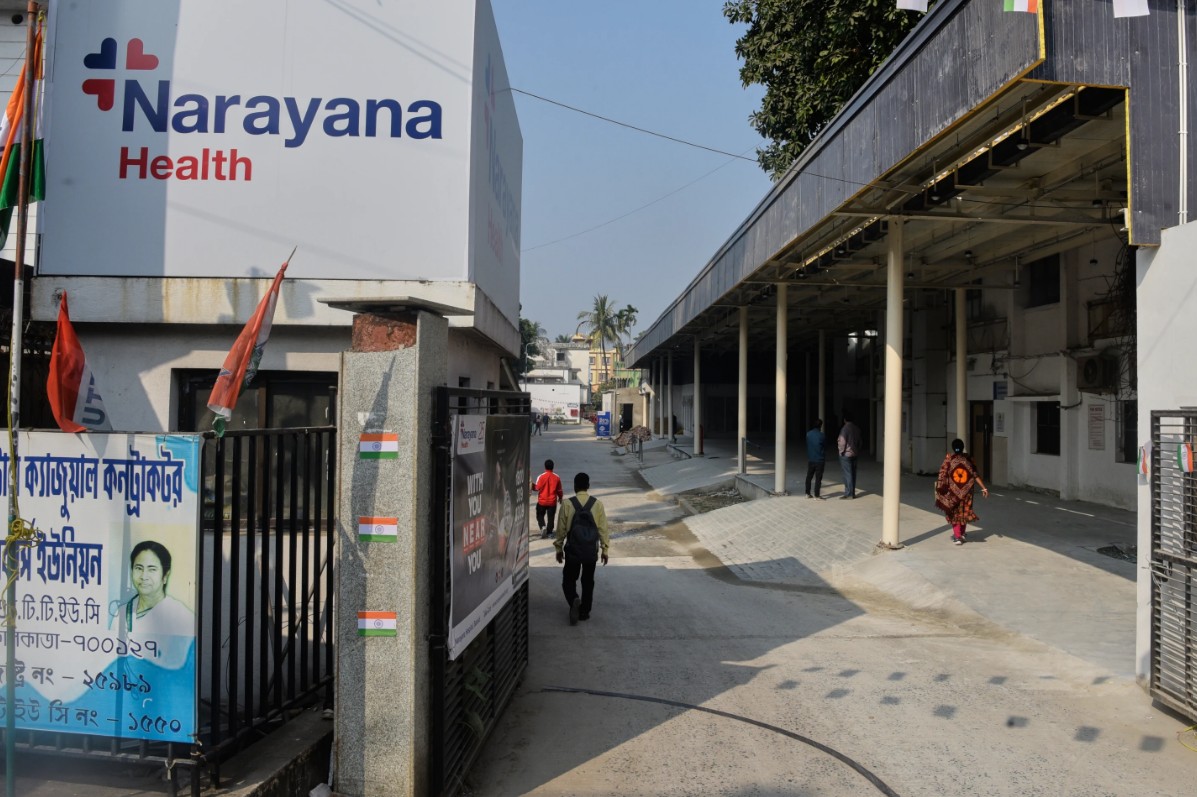 |
Narayana Multispeciality Hospital, where two Nipah virus cases were detected in December, in Barasat, West Bengal, on 28/1. Photo: AP |
Narayana Multispeciality Hospital, where two Nipah virus cases were detected in December, in Barasat, West Bengal, on 28/1. Photo: AP
In response to the disease developments in India, Asian nations promptly activated remote prevention systems. In Southeast Asia, Thailand installed thermal scanners at Suvarnabhumi Airport, Bangkok, specifically monitoring passengers on direct flights from West Bengal. Alongside Indonesia, Thailand requires passengers to complete health declarations and has increased visual surveillance at key air border gates.
Myanmar's Ministry of Health also re-activated thermal screening systems, previously used during the Covid-19 pandemic, for individuals entering from India. The country advises citizens to restrict non-essential travel to West Bengal and prepare medical supplies and testing capacity for response.
In Vietnam, the Ministry of Health instructed local authorities, border gates, and medical facilities to strengthen surveillance of arrivals and disease developments in the community, while also requiring strict implementation of food safety regulations. China also stated it is strengthening border epidemic prevention barriers through risk assessment and intensive training for medical staff.
The decisive actions by these countries stem from the danger level of Nipah. According to the World Health Organization (WHO), this virus, transmitted from animals (such as fruit bats and pigs) to humans, has a mortality rate ranging from 40% to 75%, significantly higher than Covid-19. Currently, there is no preventive vaccine or specific treatment for the disease; doctors can only provide supportive care to manage complications such as high fever, seizures, and vomiting.
West Bengal previously recorded Nipah outbreaks in 2001 and 2007. More recently, the disease has primarily appeared in Kerala state in South India, with the most severe outbreak occurring in 2018, resulting in at least 17 deaths.
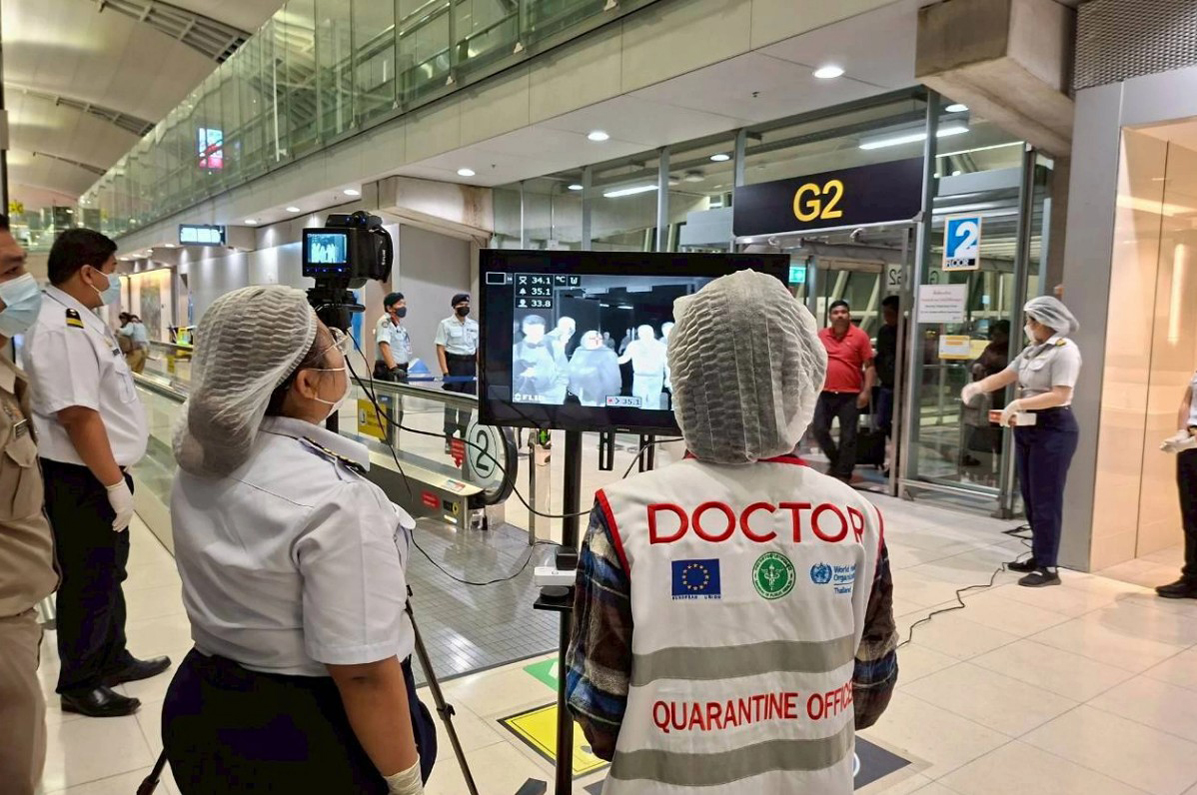 |
Suvarnabhumi International Airport, Thailand, monitors the body temperature of passengers arriving from West Bengal, India, on 25/1. Photo: AP |
Suvarnabhumi International Airport, Thailand, monitors the body temperature of passengers arriving from West Bengal, India, on 25/1. Photo: AP
Binh Minh (According to AP)