Answer:
The symptoms you are experiencing are very likely signs of myasthenia gravis. This condition arises when the immune system produces antibodies that attack and destroy acetylcholine receptors—critical neurotransmitters enabling the brain to control muscles—on muscle cell membranes. A reduction in acetylcholine disrupts nerve-to-muscle communication, leading to muscles being unable to sustain strength and causing temporary weakness.
Myasthenia gravis is an autoimmune disease characterized by impaired neuromuscular transmission, leading to abnormal muscle weakness. A key identifier is that muscle weakness intensifies with physical activity, exertion, or towards the end of the day when the body is tired. Symptoms typically subside after adequate rest or sleep.
In its early stages, the disease often affects small muscle groups. This can lead to drooping eyelids, double vision (diplopia) due to affected eye muscles, and difficulty walking or grasping objects when limb-controlling muscles are involved.
Beyond daily inconvenience, myasthenia gravis carries life-threatening risks. If not well-managed, it can progress to affect throat and respiratory muscles, leading to choking, slurred speech, or breathing difficulties. Critically, acute myasthenic crises can paralyze the diaphragm and intercostal muscles, resulting in acute respiratory failure. Moreover, a notable number of myasthenia gravis patients have direct associations with thymus abnormalities, particularly thymoma.
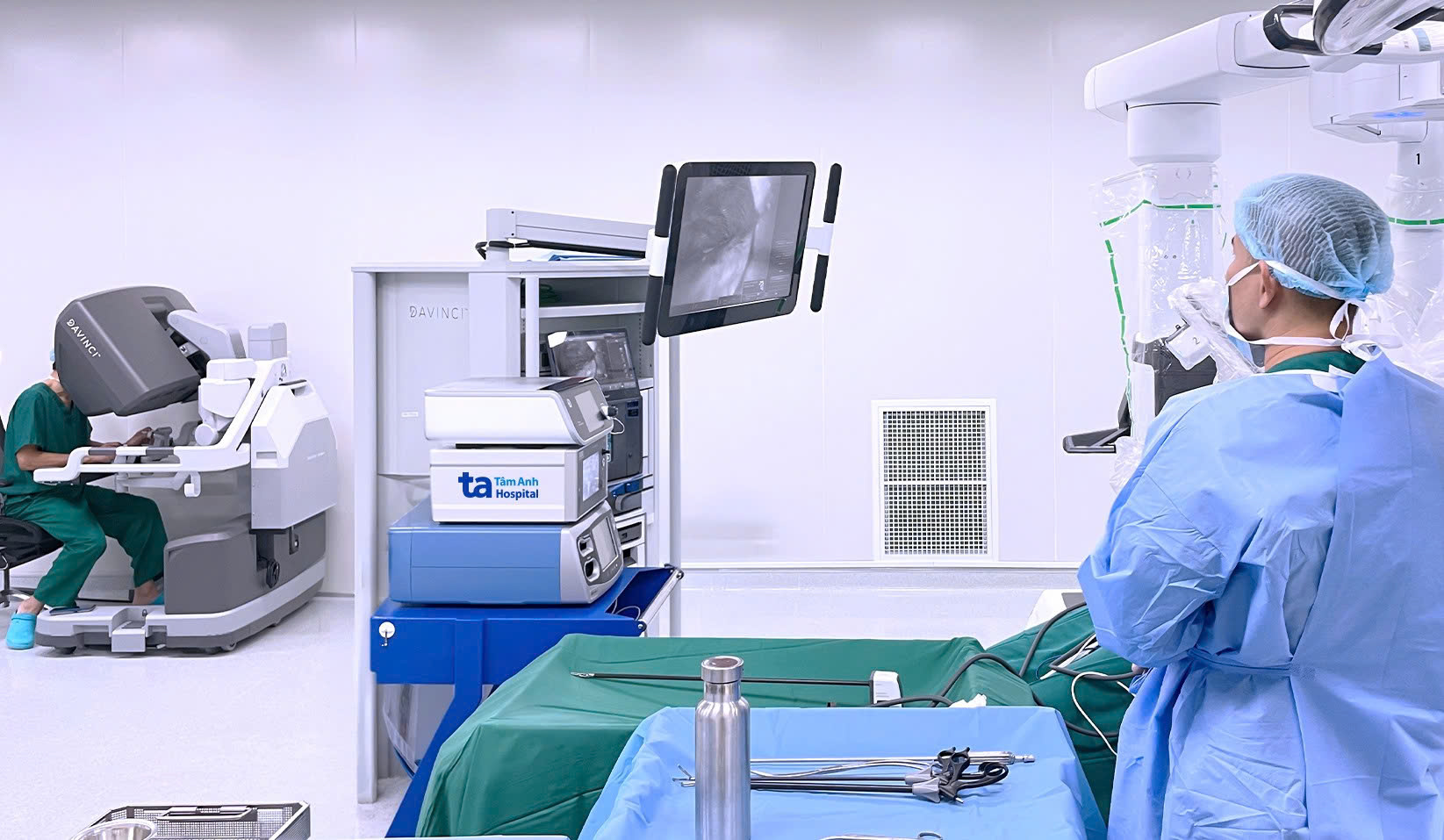 |
Associate Professor Vinh (left) operates the Da Vinci Xi robot for myasthenia gravis surgery. *Photo: Tam Anh General Hospital*
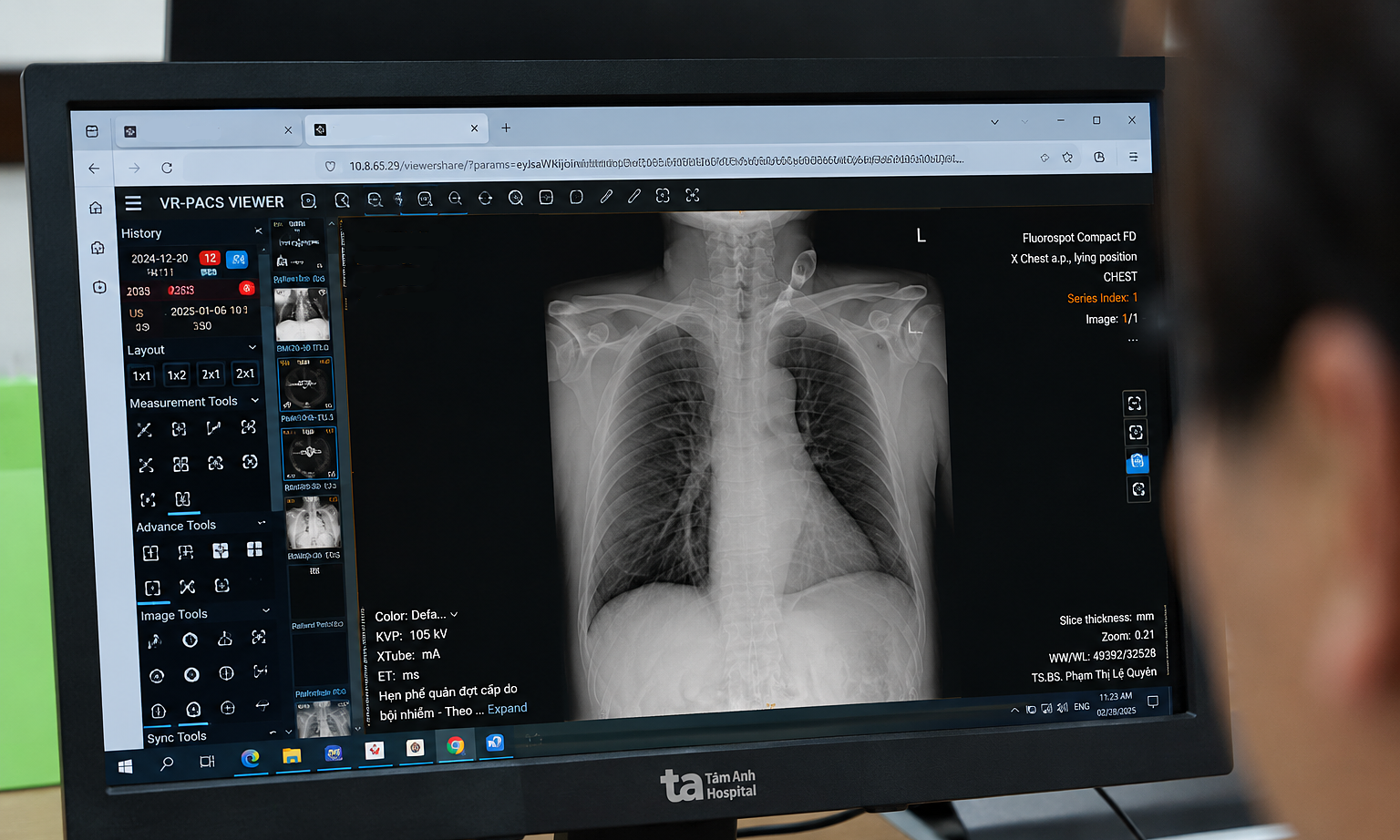
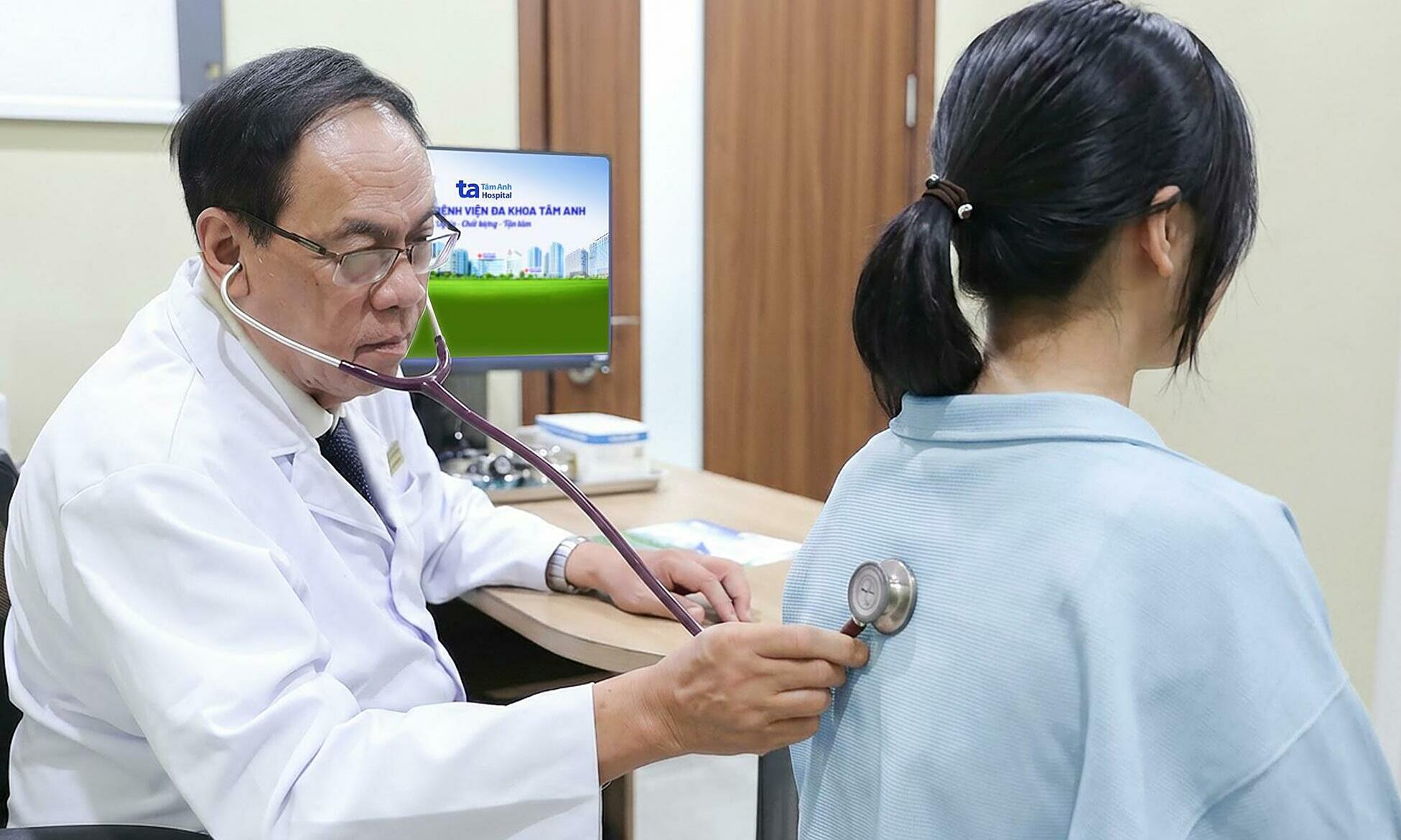
It is advisable to consult reputable hospitals with specialized thoracic surgery and neurology departments to diagnose the cause of muscle weakness. Based on clinical signs, doctors may recommend tests such as an ice pack test, electromyography (EMG) to evaluate neuromuscular transmission deficits, or a blood test for acetylcholine receptor antibodies. A chest CT scan is crucial for screening thymoma, which can stimulate the immune system to produce disease-causing antibodies.
Myasthenia gravis patients can receive treatment with cholinesterase inhibitors to manage symptoms and immunomodulatory drugs. Thymectomy, or surgical removal of the thymus, is considered an effective treatment. Modern approaches, such as thoracoscopic surgery or robotic-assisted surgery with the new generation Da Vinci Xi robot, enable surgeons to precisely access mediastinal tumors without the need for a traditional sternotomy. This advanced technique effectively removes abnormal thymus tissue, potentially reducing medication dependence, minimizing the risk of acute myasthenic crises, and enhancing the patient's quality of life.
Patients should strictly follow treatment plans, ensure adequate rest, avoid overexertion and excessive stress. Caution is also advised when using other medications, such as antibiotics or sedatives, as certain active ingredients can exacerbate muscle weakness.
Associate Professor, Doctor Vu Huu Vinh
Director, Center for Thoracic and Vascular Surgery
Tam Anh General Hospital, Ho Chi Minh City
| Readers can submit questions about cancer here for doctors to answer. |