Transient lip numbness is not always a sign of stroke. However, if symptoms recur frequently or are accompanied by facial asymmetry, speech difficulty, limb weakness or numbness, or dizziness, you should seek medical attention. These could be early warning signs of a transient ischemic attack.
When brain blood vessels narrow due to atherosclerosis, high blood pressure, diabetes, or a small blood clot, blood and oxygen flow to the brain temporarily decreases. If the brain area responsible for facial and lip sensation is affected, a person may experience lip numbness, tongue tip numbness, tingling on half of the face, or transient loss of sensation. These symptoms usually last only a few minutes to less than one hour before resolving, making them easily mistaken for fatigue, lack of sleep, or stress.
These transient neurological manifestations suggest that silent damage may already exist in the brain's blood vessels. In many cases, these are "signals" preceding a true stroke caused by a blocked cerebral artery. Without addressing the underlying causes, the risk of symptom recurrence or progression to a severe stroke can increase in a short period.
Beyond cerebrovascular issues, lip numbness can also be linked to peripheral neurological disorders, migraine headaches, prolonged anxiety disorders, or micronutrient deficiencies. Instead of self-monitoring at home, you should consult a neurologist for an accurate diagnosis.
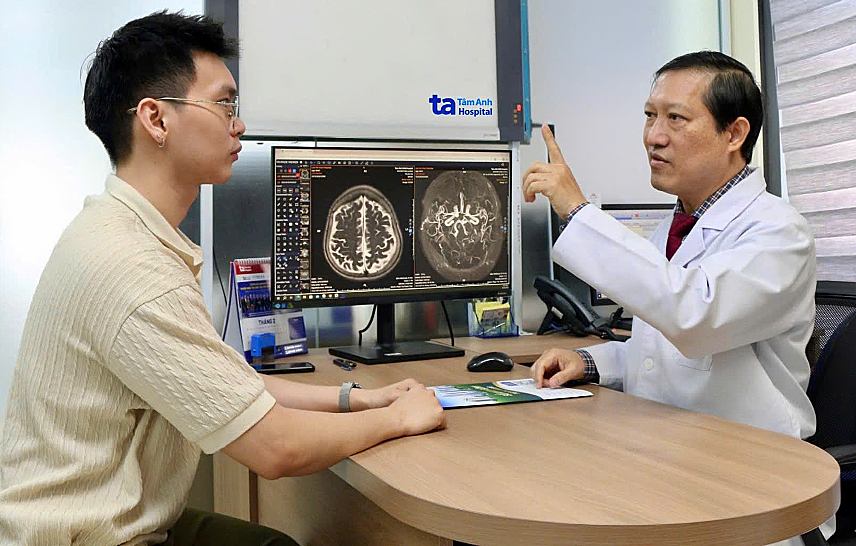 |
A doctor is screening a patient for stroke. Photo: *Tam Anh General Hospital* |
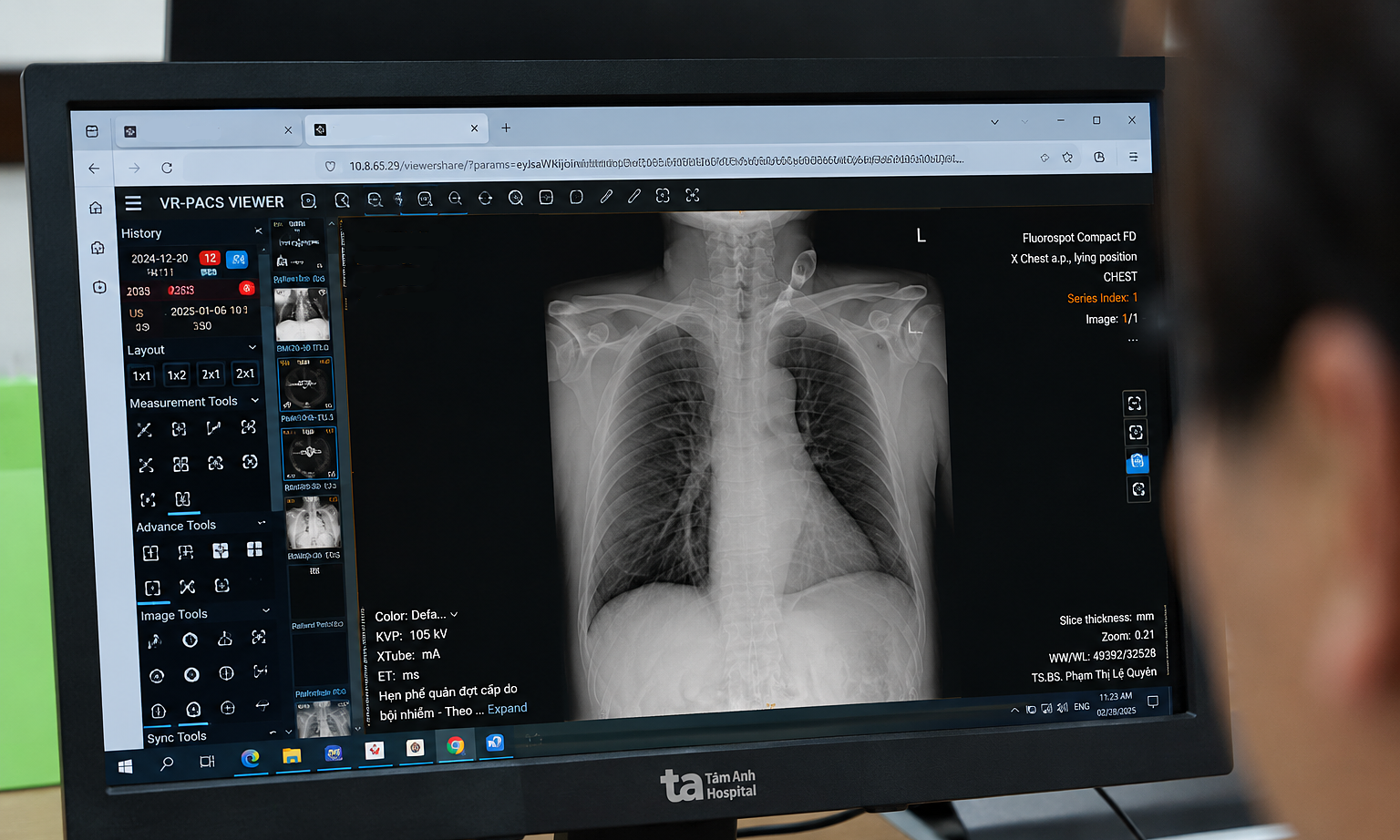
Brain vascular abnormalities can be detected using modern imaging technologies such as 3 Tesla MRI, 1,975-slice CT, or 100,000-slice CT. These advanced scans help assess vessel narrowing, aneurysms, atherosclerosis, or the risk of blood clot formation.
In some cases, a comprehensive cardiovascular and neurological risk assessment requires additional tests. These include carotid artery ultrasound, an electrocardiogram, atrial fibrillation screening, and blood tests for sugar and lipid levels.
To prevent stroke, individuals should manage their blood pressure, blood sugar, and blood lipid levels. They should also maintain physical activity, get sufficient sleep, limit prolonged stress, and avoid smoking. Anyone experiencing signs such as facial asymmetry, speech difficulty, limb weakness or paralysis, or altered consciousness must go to a hospital with a neurology department as soon as possible for emergency treatment within the "golden hour."
Dr. Nguyen Huu Khanh
Department of Neurology, Neuroscience Center
Tam Anh General Hospital Ho Chi Minh City