Doctor Nguyen Huu Truong, Deputy Director of the Clinical Allergy - Immunology Center at Bach Mai Hospital, stated that many people mistakenly believe their bodies are simply "incompatible" with alcoholic beverages. In reality, these are complex and dangerous immune responses.
When consumed, alcohol is metabolized into acetaldehyde. Both substances stimulate mast cells, which are immune cells, to release histamine, leading to itching, hives, and difficulty breathing. More dangerously, alcohol inhibits the breakdown of histamine from food, causing its concentration to rise and potentially triggering acute asthma attacks or hives.
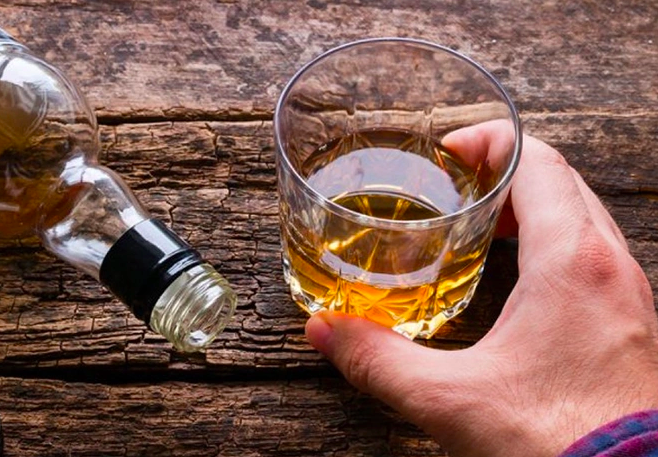 |
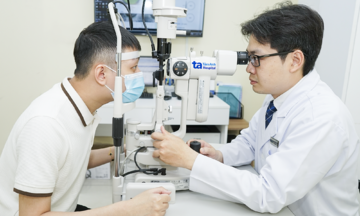
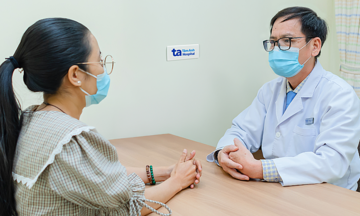
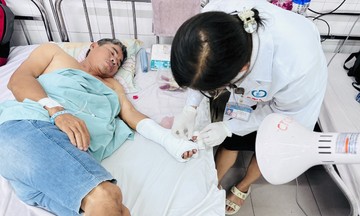
Many people experience allergic reactions to alcohol. Photo: Health |
Beyond alcohol itself, additives and preservatives such as sulphite, artificial colors, or ingredients like barley and brewer's yeast can also act as allergens, affecting individuals with sensitive constitutions.
Doctor Truong warned that these reactions can appear immediately after consumption, ranging from mild to critical. The most common is flushing syndrome, characterized by a red face, hot flashes, rapid heartbeat, and headache. On the skin, individuals may develop hives or angioedema, which is swelling of the lips, eyes, and face. The respiratory system can react with bronchospasm and severe difficulty breathing.
The most severe reaction is anaphylactic shock. This is an urgent medical emergency marked by a drop in blood pressure and circulatory collapse, carrying a high risk of death if not treated promptly. Individuals with a history of rashes or difficulty breathing after drinking must be especially cautious or completely avoid alcohol. Initial mild symptoms often serve as warning signs for more severe reactions in subsequent instances of drinking.
Alcohol consumption also leads to long-term consequences, exacerbating underlying health conditions. People with bronchial asthma, allergic rhinitis, or chronic hives are prone to more severe disease relapses. The habit of regular alcohol consumption increases blood IgE antibody levels, making the body more sensitive to dust mites, pollen, and food. Pregnant women who consume alcoholic beverages also increase the risk of allergies for their children later in life.
To protect health during festive seasons, the doctor recommends that people listen to their bodies and limit consumption, as the risk of allergic reactions is directly proportional to the amount of alcohol ingested. If signs such as facial or tongue swelling or difficulty breathing appear, family members should immediately take the affected person to the nearest medical facility.