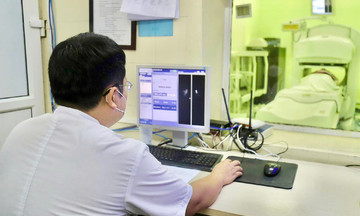
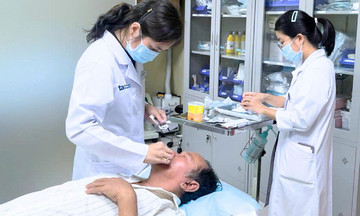
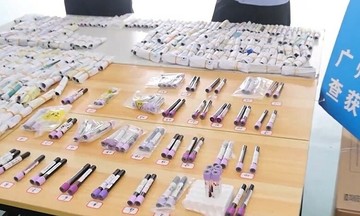
On 18/12, Doctor of Specialty Level 2 Nguyen Vu Hoang, Deputy Director of the Hospital of Dermatology Ho Chi Minh City, announced that the patient was diagnosed with Epidermodysplasia verruciformis. This condition results from a gene mutation that causes immune deficiency to certain rare human papillomavirus (HPV) strains. The Beta-HPV strain associated with the disease does not cause illness in healthy individuals, meaning the syndrome is not contagious and poses no risk to those in contact with affected individuals. According to medical literature, only about 200 cases have been documented worldwide, and this is the second case in Vietnam.
"Tree-man syndrome" typically manifests early, on average between ages six and seven, or even as early as one to two years old. Initial lesions resemble tinea versicolor, seborrheic keratosis, or flat warts, appearing on the trunk, neck, face, hands, and feet. Over time, these skin patches thicken, keratinize, elevate, and develop a rough, bark-like or root-like surface, leading to deformities and severely limiting mobility. Previously, Vietnam recorded another case in Dong Nai, a 63-year-old individual, with milder lesions localized to the right lower leg.
Son developed the disease at around two years old. The lesions spread extensively across his hands and feet, causing him to lose the ability to walk and requiring him to use a wheelchair for many years. Currently, doctors also found squamous cell carcinoma on the sole of his foot – a dangerous complication often seen in individuals with this syndrome. Doctors recommend surgical removal of the cancerous lesion; however, due to difficult circumstances, Son has not yet been able to undergo the procedure. He and his 75-year-old mother rely solely on each other, with all daily activities dependent on her.
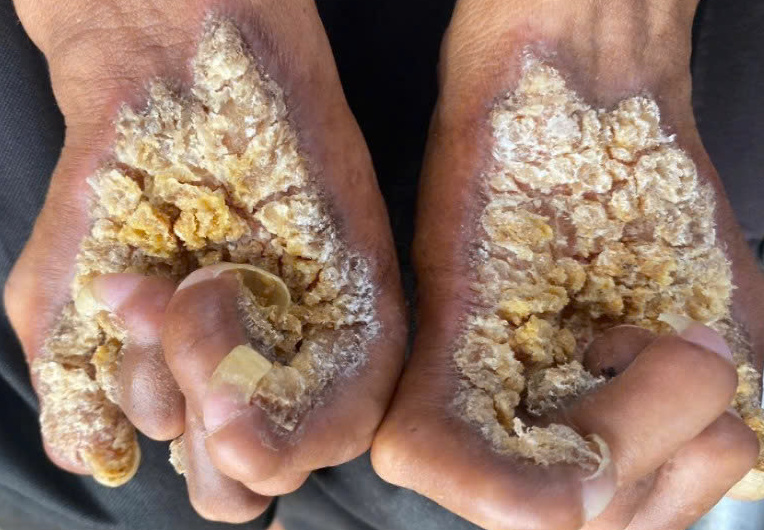 |
Son's hands before treatment. Photo: Doctor provided |
Starting in 6/2025, Son received treatment with a topical cream and oral tablets containing an alpha-lactalbumin-oleic acid complex, supported by Doctor Tran Thi Hien's team from Lund University, Sweden. After several months, the skin lesions showed signs of thinning, reduced pain, and a slower rate of cancer metastasis in his leg. This marks the first "tree-man" case globally treated with this method, showing an initial 30-40% reduction in lesions on his legs and hands after six months. The research team is collaborating with domestic dermatology hospitals to monitor his condition and send samples abroad for testing, evaluating treatment effectiveness over about one year to finalize an international publication report.
Medical experts state that there is currently no complete cure for "tree-man syndrome." Treatment primarily focuses on managing symptoms, limiting complications, and early detection of skin cancer. Experts hope that the alpha-lactalbumin-oleic acid complex could help reduce lesion recurrence after surgery, opening a new approach for this rare disease.
Le Phuong