Baby Khang previously suffered from an anal abscess at 1,5 months old. At that time, doctors incised and drained the pus, combined with antibiotics. However, this perianal lesion did not heal completely; it occasionally swelled and discharged pus. Doctor Nguyen Do Trong, Specialist Level II, from the Department of Pediatric Surgery at Tam Anh General Hospital TP HCM, stated that if the fistula tract is not surgically removed completely this time, the infection could spread, causing sepsis and requiring prolonged antibiotic use. Most anal fistulas in children are simple, making complete surgical removal effective.
The surgical team removed fibrous tissue, pus, and the epithelial lining of the fistula tract—the part prone to recurrence. The incision was left open to ensure good drainage, prevent pus accumulation, and promote natural tissue healing. Three days later, the infection was controlled, the wound dried and healed, and the baby was discharged.
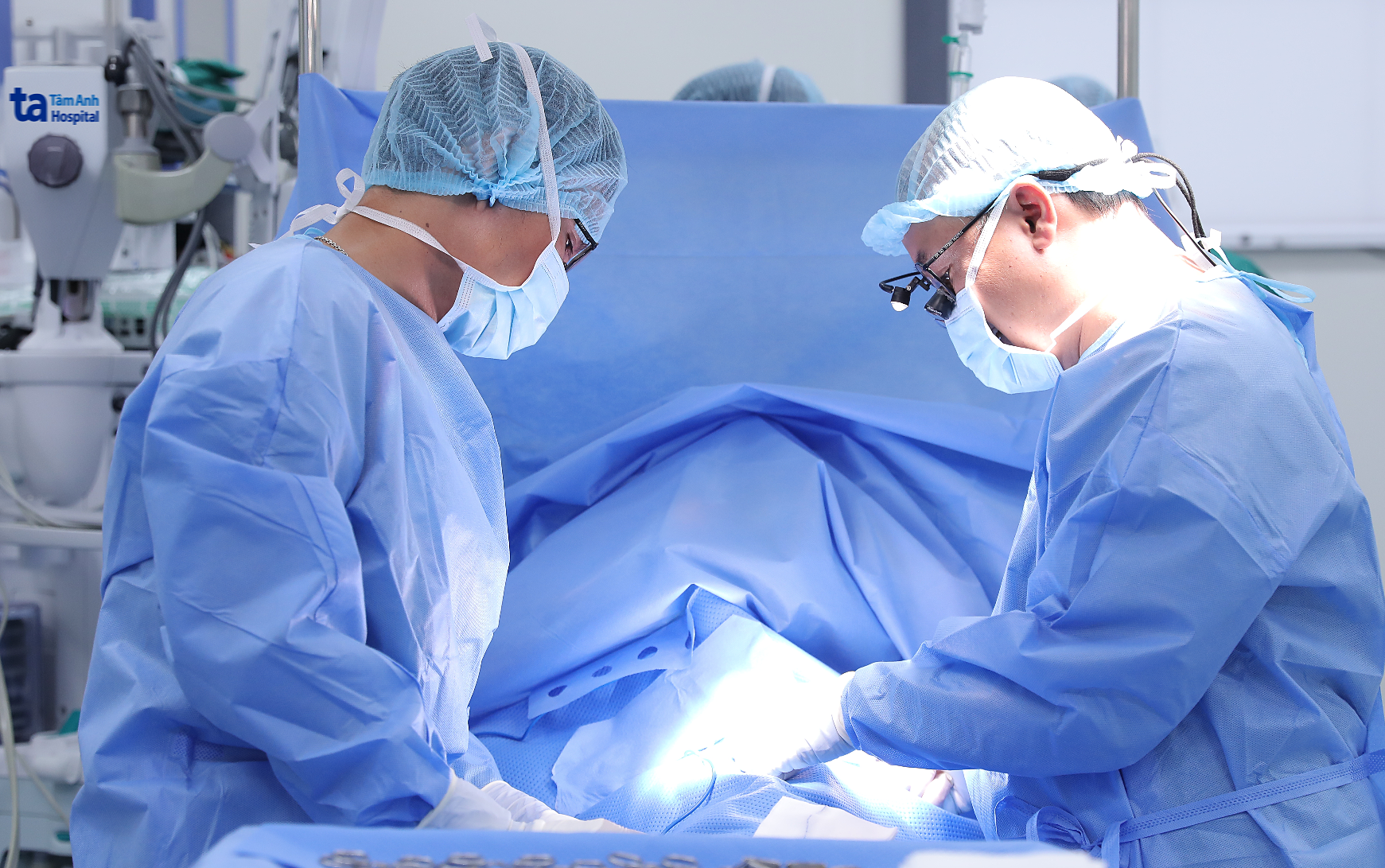 |
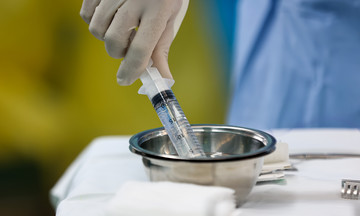
Doctor Trong performs anal fistula surgery on a pediatric patient. *Photo: Tam Anh General Hospital* |
An anal fistula is an abnormal connection that forms between the anal canal and the skin surrounding this organ. According to Doctor Trong, the cause is often bacterial infection (E. coli or other anaerobic bacteria) which leads to an abscess, accumulated pus, and then ruptures to form a fistula. Symptoms include a red swelling around the anus, discharge of yellow pus, pain, and excessive crying during bowel movements or when sitting. In severe cases, the child may develop a high fever, and the fistula may discharge pus mixed with blood. Children can have one or more anal fistula tracts, with a higher risk if they have Crohn's disease or acquired immunodeficiency.
This condition is common in children under 12 months old, with a high risk of recurrence if proper hygiene of the anal area is not maintained. Anal fistula treatment varies depending on the condition; many cases involve using antibiotics to eliminate the infection and incising and draining any abscesses. Afterward, conservative care through warm saline baths is recommended. Surgical removal of the fistula tract is an effective treatment method, typically applied to children 6-12 months old.
Doctor Trong advises parents to keep the child's anal area clean and dry. Children with an anal fistula should be examined by a specialist for appropriate treatment.
Gian Don
*The patient's name has been changed
| Readers can send questions about neonatal pediatrics here for a doctor's answers |