Diarrhea is a common illness among children, frequently occurring during hot seasons. It is primarily caused by bacteria, viruses (such as rotavirus), or parasites from contaminated food and water sources. Children often experience frequent loose stools, accompanied by vomiting, fever, abdominal pain, and are prone to dehydration and electrolyte imbalance.
Dr. Le Thi Hong Hue, from the Pediatric Unit at Tam Anh District 7 General Clinic, provides guidance on caring for and managing children with diarrhea.
Rehydration
When children have diarrhea, they lose significant fluids and electrolytes through stools and vomiting. If not replenished promptly, this can lead to exhaustion, electrolyte imbalance, and more severe conditions such as heart rhythm disturbances or low blood pressure. Parents should ensure children drink more water than usual and use oresol (ORS) solution as directed by a doctor to restore lost fluids and electrolytes.
Adequate nutrition
Children with diarrhea may experience a loss of appetite. Parents should not let children skip meals but maintain an appropriate diet. If the child is still breastfeeding, continue to do so normally. Prioritize easily digestible foods such as porridge, soup, or soft foods to aid absorption and promote quick recovery.
 |
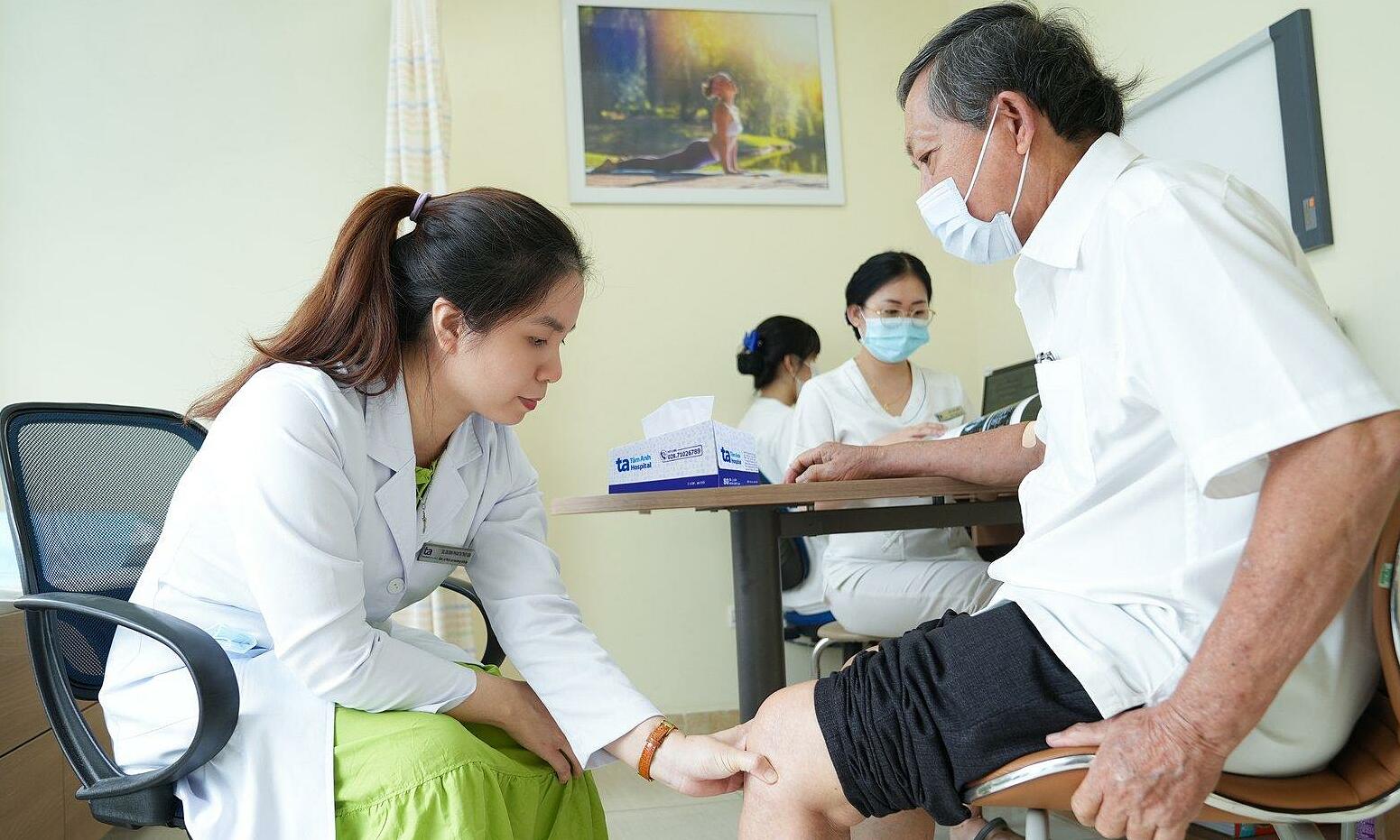
Dr. Hue examines a child patient at Tam Anh District 7 General Clinic. Illustration: Minh Tam
Zinc and vitamin supplementation
Parents should supplement with zinc and certain vitamins when necessary. Zinc shortens the duration of diarrhea, reduces its severity, supports intestinal lining recovery, and boosts immunity. Some vitamins (such as vitamin A and B-complex vitamins) also enhance resistance and improve a child's eating habits. Vitamin supplementation requires correct dosage and duration, so consult a doctor to ensure safety.
Maintain hygiene
Parents or caregivers should wash children's hands with soap before meals and after using the toilet. Caregivers must also wash their hands thoroughly when preparing food and changing diapers. Children's food should be cooked thoroughly, not left at room temperature for too long, and eating utensils and baby bottles must be properly washed and sterilized. A clean living environment, food preparation, and storage areas, free from flies or insects, help limit the risk of carrying pathogens, thereby reducing the risk of gastrointestinal infections.
Dr. Hue advises parents to take their children to a medical facility if abnormal signs appear, such as prolonged diarrhea or symptoms of dehydration like excessive thirst, dry lips, sunken eyes, dry skin, reduced urination, or convulsions.
Minh Tam
| Readers can submit questions about neonatal pediatrics here for doctors to answer. |