In november alone, the country reported 11 cases of meningococcal meningitis, with the northern region seeing a 45% increase and the southern region an 83% increase compared to the same period last year. The Ministry of Health views meningococcal meningitis as a clear threat to public health, particularly during the winter-spring transition when cold and humid weather conditions favor bacterial growth.
The most recent case involves a 32-year-old female inmate who died from multi-organ failure after four days of treatment at Thanh Hoa Provincial General Hospital. The patient began experiencing symptoms such as fever, headache, dizziness, and nausea on 23/11, receiving initial treatment at the prison infirmary. On 29/11, she was transferred to Thanh Hoa Provincial General Hospital, where she was diagnosed positive for meningococcal bacteria.
Meningococcal meningitis is caused by the bacterium Neisseria meningitidis, with over 12 serogroups; A, B, C, W, and Y are the most common, with serogroups W and C associated with high fatality rates. The disease occurs year-round but tends to erupt into small outbreaks during colder seasons. High-risk groups include children, students living in dormitories, and individuals with weakened immune systems. The presence of asymptomatic carriers in the community complicates disease control efforts.
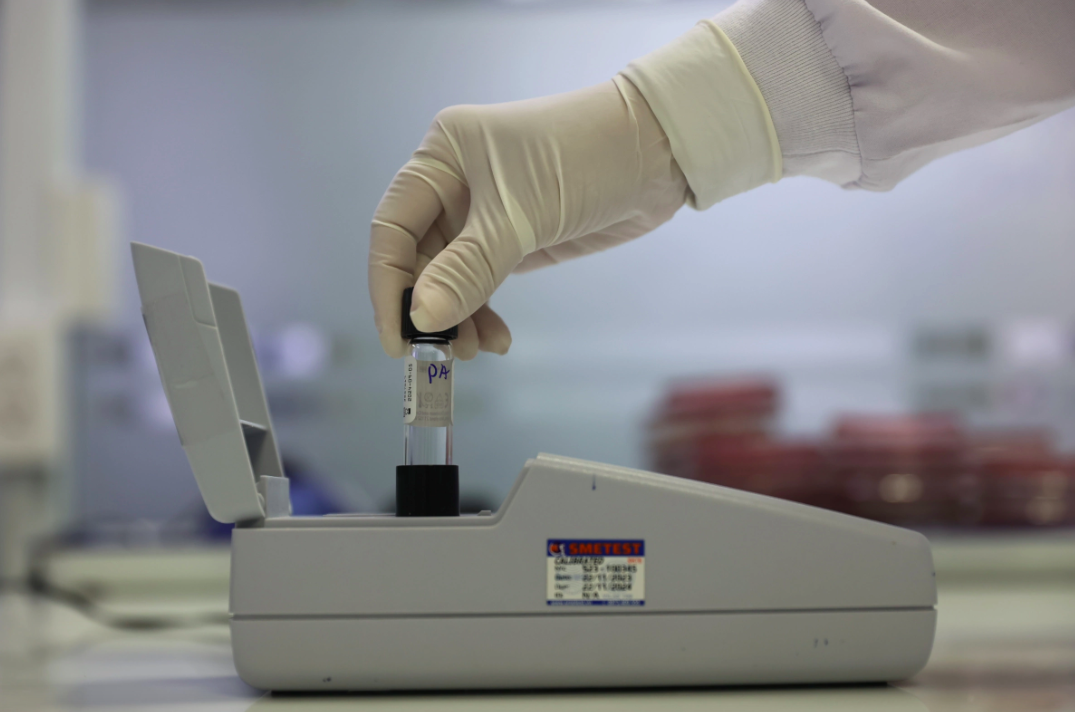 |
Healthcare worker conducts tests at a hospital in TP HCM. Photo: Quynh Tran
Associate Professor, Doctor Pham Quang Thai, Deputy Head of the Department of Infectious Disease Control at the National Institute of Hygiene and Epidemiology, stated that this disease poses the highest risk due to its rapid lethality. Its swift progression means most cases cannot be intervened in time, especially when initial symptoms like high fever, severe headache, nausea, stiff neck, or a hemorrhagic rash are underestimated.
Without timely treatment, the fatality rate can reach 50% within 24-48 hours. Even with intensive treatment, the mortality rate remains between 8-15%. Approximately 20% of survivors endure lifelong neurological or physical sequelae, including deafness, brain damage, limb necrosis, or cognitive impairment. Following the Covid-19 pandemic, many countries have observed a strong resurgence of invasive meningococcal disease due to altered epidemiology and vaccination disruptions.
The incubation period ranges from two to 10 days, but once symptoms begin, the disease progresses hourly. Characteristic signs like necrotizing hemorrhagic rash, stiff neck, neck pain, or confusion often appear only when the disease is already severe. This makes early diagnosis extremely challenging, particularly at primary healthcare facilities where access to specialized testing is limited.
Globally, six main serogroups cause the disease: A, B, C, Y, W-135, and X. Of these, vaccines for five serogroups (A, B, C, Y, W) are available in Vietnam. Vaccinating against only a few serogroups does not guarantee full protection; comprehensive vaccination against all available groups is the most complete way to protect oneself.
Experts warn that proactive prevention through vaccination is a key strategy, as the critical "golden hour" for treatment after disease onset is extremely brief. Children under five, especially those under two, and adolescents aged 11-18 should be vaccinated early due to their high incidence rates. Additionally, people should practice good personal hygiene, wash hands frequently, gargle with antiseptic solutions, maintain well-ventilated living spaces, and avoid close contact with suspected cases.
Le Nga