The chest area, particularly near the sternum, is highly susceptible to keloid scar formation due to skin tension and frequent friction. For a 5-year-old keloid scar, like yours, effective treatment and recurrence prevention require a combination of methods.
For small keloid scars, intralesional injection with triamcinolone is a common treatment. This active ingredient inhibits inflammation, gradually softens scar tissue, and reduces both scar size and the associated tightness and itching.
Doctors may combine liquid nitrogen cryotherapy for optimal results in specific cases. For red or mildly inflamed scars with vascular dilation, a long-pulsed YAG laser reduces redness, inflammation, destroys blood vessels, and promotes healthy tissue regeneration. If the keloid scar has hyperpigmentation or long-standing darkening, a pico laser can break down melanin, making the scar area lighter and more harmonious with the surrounding skin.
 |
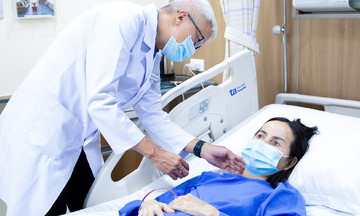
Doctor Duy advises a patient. Illustration photo: Tam Anh General Clinic District 7 |
Patients with keloid scars require persistent treatment due to their tendency to recur. Treatment typically involves multiple sessions across various stages, combined with proper skin care and close monitoring to adjust the protocol as needed. If the scar becomes tense, red, severely itchy, or continues to enlarge, seek an early examination at a hospital with a Dermatology - Aesthetic Dermatology department. A doctor can then assess its severity and recommend a suitable treatment plan.
Dr. Vo Thi Tuong Duy
Dermatology - Aesthetic Dermatology Unit
Tam Anh General Clinic District 7
| Readers can submit dermatology - aesthetic dermatology questions here for doctors to answer. |