On 25/5/2024, Vo Hai Son, Deputy Director of the Department of Preventive Medicine, stated that Ebola primarily spreads through close, direct contact with blood, bodily fluids, or individuals who died from the disease. With effective personal protection and infection control, the risk of widespread transmission is not high.
In contrast, Covid-19 primarily spreads through respiratory droplets and aerosols. Patients release SARS-CoV-2 virus particles into the air when they cough, sneeze, talk, sing, or breathe. Nearby healthy individuals can inhale the virus or have droplets land on their eye, nose, or mouth membranes, leading to infection.
Ministry of Health officials advise the public to remain calm but vigilant, especially those traveling to and from affected regions like Congo. People should limit direct contact with suspected cases or their bodily fluids, frequently wash hands, maintain personal hygiene, and monitor their health after returning from affected areas.
"Individuals exhibiting fever, fatigue, or unusual signs after entering the country from an affected region should seek medical attention promptly and clearly declare their travel history for timely monitoring and treatment," Son stated.
Previously, Dr. Angela Pratt, World Health Organization (WHO) Country Representative in Vietnam, warned that the circulating Bundibugyo virus strain is rare, with no specific vaccine or treatment. On 22/5/2024, WHO recorded over 750 cases in Congo, including 177 deaths in the 16th outbreak. Uganda also reported two cases originating from Congo. WHO declared a global emergency, recommending countries enhance response capabilities without restricting travel or trade.
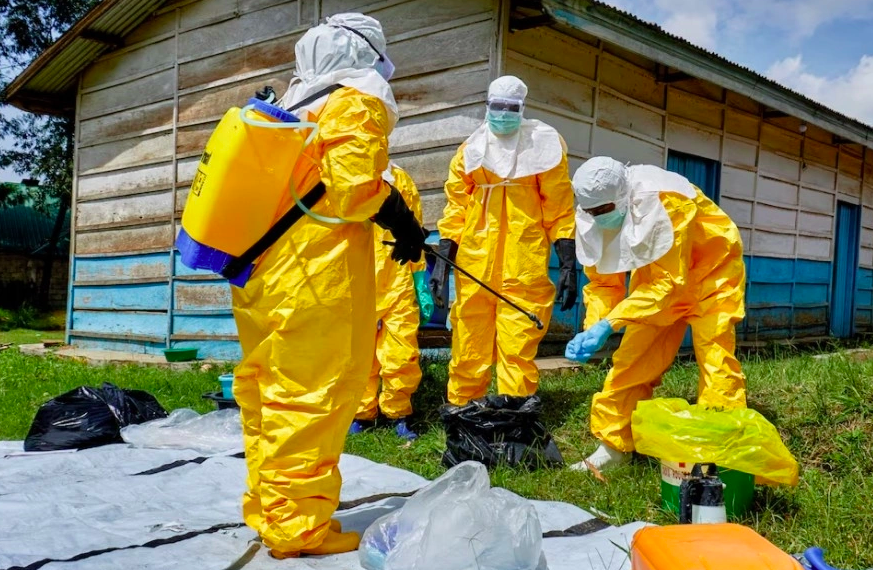 |
Red Cross personnel disinfect after handling the body of an Ebola victim at a medical center in Bunia city, Ituri province, Congo, on 21/5/2024. *Photo: Reuters* |
Vietnam has not recorded any Ebola cases. However, the Ministry of Health still requires border gates and hospitals to strengthen surveillance of passengers arriving from affected regions. Pasteur Institute Ho Chi Minh City and National Institute of Hygiene and Epidemiology have prepared testing capabilities for timely diagnosis if suspected cases emerge.
Ebola has an incubation period of 2-21 days. Patients typically experience an onset of fever, malaise, and muscle pain, rapidly progressing to vomiting, diarrhea, liver and kidney failure. Health authorities advise the public to remain calm, wash hands frequently, and avoid contact with suspected sick individuals. Those returning from affected regions should proactively monitor their health, promptly visit a medical facility, and clearly declare their travel history if unusual signs appear.
Le Nga