Answer:
While not mandatory for everyone, antibody testing after hepatitis B vaccination is recommended for high-risk individuals, such as: healthcare workers, those living with hepatitis B patients, and immunocompromised individuals. This testing should be considered one to two months after completing the vaccine regimen. Approximately 85-90% of people develop a good antibody response, though those who are obese, elderly, smokers, or have underlying conditions often show a weaker response.
If your antibody level is 10 mIU/mL or higher, you have immunity; a booster shot might be considered to enhance protection. Levels of 100 mIU/mL or higher indicate optimal protection. If the level is below 10 mIU/mL, it suggests the body did not respond to the vaccine, and additional doses may be required as advised by a doctor.
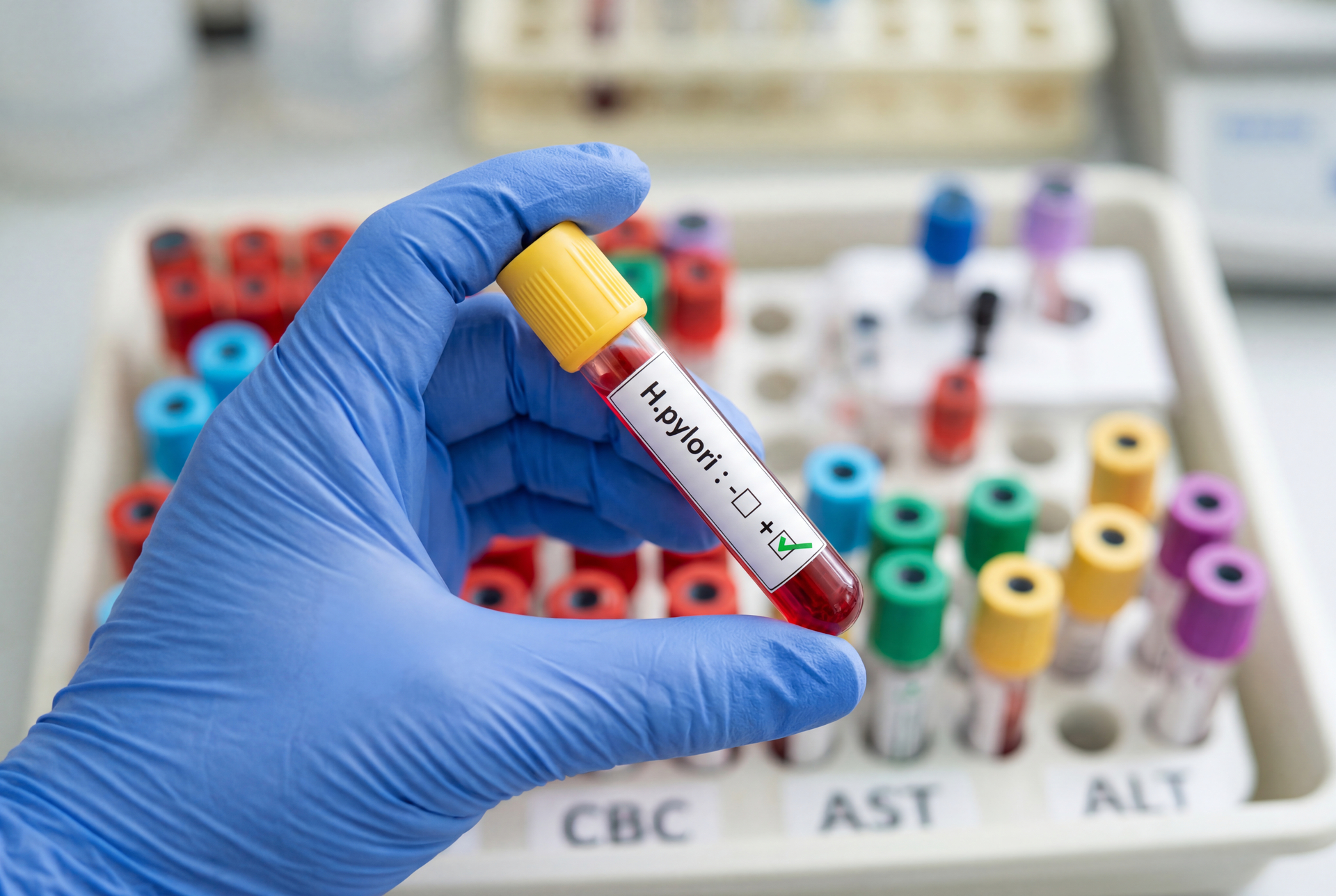 |
Minh hoa xet nghiem khang the viem gan B. Anh: Vecteezy
Hepatitis B infection is prevalent in Vietnam, affecting an estimated 8-10% of the population. Many individuals carry the virus without symptoms, unaware of their infection, yet can still transmit it to others through blood, sexual contact, or from mother to child during childbirth. This disease is a leading cause of cirrhosis and liver cancer.
Vietnam offers various hepatitis B vaccines for both children and adults, including single-dose and combination vaccines. Infants should receive one dose of the hepatitis B vaccine within 24 hours of birth, followed by combination vaccines like the 6-in-1 or 5-in-1, which include hepatitis B protection. Adults typically receive three doses over six months, while high-risk individuals might need four doses over 12 months. As hepatitis B antibodies can decline over time, booster shots are necessary to maintain protective levels, and testing is recommended before re-vaccination.
Dr. Huynh Tran An Khuong
Medical Specialist, VNVC Immunization System
Readers can submit vaccine-related questions for a doctor to answer here.