The Department of Medical Examination and Treatment Management, under the Ministry of Health, officially authorized Tu Du Hospital to implement fetal cardiac intervention and four other techniques starting 12/10. These techniques include fetal cord blood transfusion, fetoscopic cord coagulation, fetal bladder drainage, and fetal pleural effusion drainage.
Since early 2024, Tu Du Hospital has collaborated with Children's Hospital 1 to deploy this technique, treating fetuses with serious heart defects. This specialized procedure is currently performed at only a few centers worldwide. Last year, a Singaporean woman, pregnant for the first time after more than 10 years of infertility, traveled to Viet Nam for her child to undergo fetal cardiac intervention. She later returned home to deliver a healthy baby.
To date, the two hospitals have jointly performed 17 cases, with the most recent occurring on 9/10. A pregnant woman from Vinh Long, in her second pregnancy, discovered her fetus had pulmonary atresia and hypoplastic right ventricle at week 16. This marked the earliest detection of a heart abnormality among the 17 intervention cases.
 |
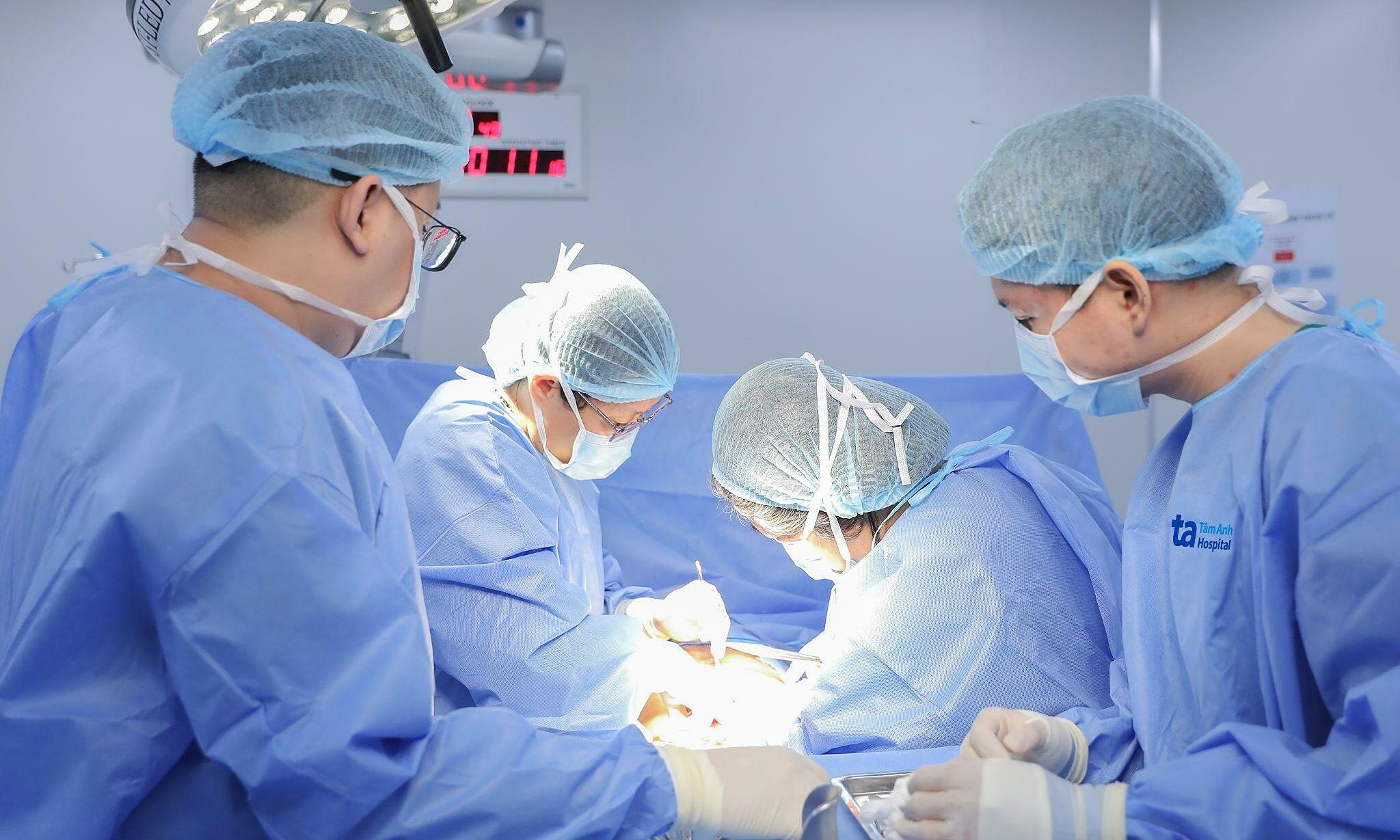
Medical staff from Tu Du Hospital and Children's Hospital 1 during the 17th fetal cardiac intervention on 9/10. Photo: Hospital provided
Following monitoring and consultation, doctors decided to intervene at 28 weeks of gestation to open the pulmonary valve and improve blood flow from the right ventricle to the pulmonary artery. The medical team inserted a needle through the mother's abdominal wall, uterus, and the fetal chest to access the pulmonary valve. However, the valve was thick, preventing the guidewire from passing through. An attempt with a smaller needle also failed.
The fetus then developed cardiac complications and was stabilized before the team resumed the procedure. Doctors eventually inserted a guidewire and balloon catheter into the valve position, restoring blood flow through the pulmonary valve. After the intervention, the mother's health remained stable, and the fetus continued to be monitored.
 |
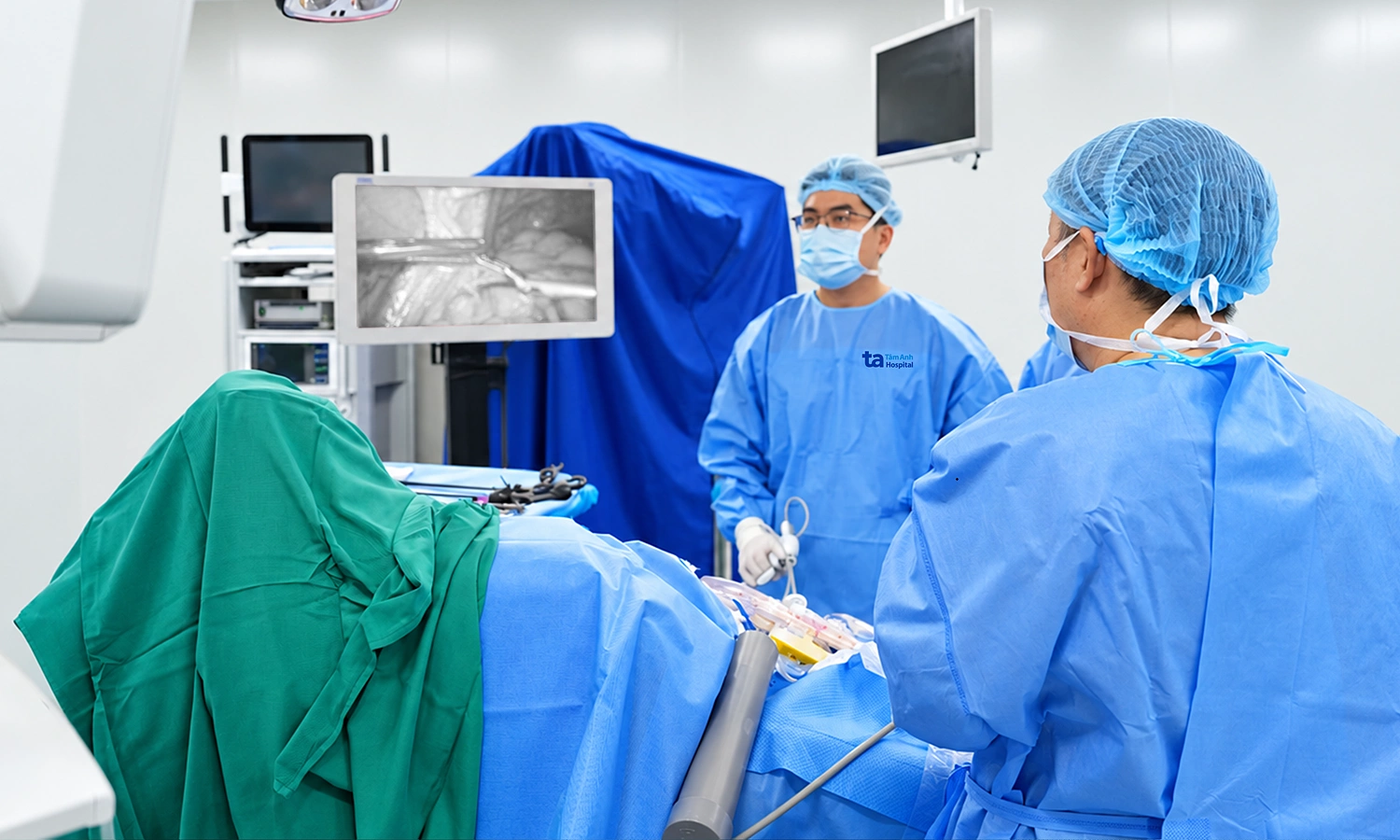
Doctors intervening to re-establish blood flow through the fetal heart valve at Tu Du Hospital, 9/10. Photo: Hospital provided
Fetal cardiac intervention is applicable only for specific heart defects, where doctors determine the procedure can improve blood flow through the heart and support fetal development. This technique requires coordination among obstetrics, pediatric cardiology, and other related specialties. It also necessitates close monitoring of both the mother and fetus due to the risk of complications during the intervention.
Official authorization provides Tu Du Hospital with the basis to perform this technique in accordance with regulations. The long-term effectiveness of each case still requires evaluation through ongoing pregnancy monitoring, birth outcomes, and the child's health post-delivery.
Le Phuong