Master, Doctor Hoang Thi Hang, from the Nutrition Department at Tam Anh General Hospital Hanoi, states that children's nutritional needs are based on recommended age-specific requirements. Meals should include adequate amounts of all nutrient groups: carbohydrates, protein, fats, vitamins, and minerals. Doctor Hang clarifies common misconceptions parents often encounter when raising children.
Believing that children should eat as much as possible is a common pitfall. A child's energy needs vary with age, weight, and physical condition. Overfeeding can lead to digestive disorders, vomiting, and even a fear of eating. Conversely, allowing children to eat freely, consuming more energy than recommended, can result in overweight or obesity. According to Doctor Hang, if a child does not consume enough food, parents should adjust preparation methods to suit the child's preferences. If the situation does not improve, consulting a nutrition doctor is advisable to identify the cause of picky eating.
Another misconception is that milk can replace solid meals. While milk is rich in nutrients and calcium, relying solely on milk for extended periods can lead to deficiencies, particularly iron deficiency, constipation, slow weight gain, and underdeveloped chewing and swallowing skills. Doctor Hang advises combining milk with diverse meals like porridge, pho, and rice. The appropriate milk intake is about 500-700 ml per day, consumed 2-3 hours before or after main meals. Breastfeeding should be prioritized for children under two years old; for those using formula, select a type suitable for their age and physical condition.
Prolonged use of sweet weaning powders is another common mistake. The World Health Organization (WHO) recommends starting complementary feeding at six months of age when the digestive system is mature enough. In addition to sweet powders and green vegetables, meals should include protein sources from meat. Parents should also add cooking oil to children's weaning foods. Cooking oil not only provides energy but also aids digestion and helps dissolve other nutrients for better absorption.
Many parents believe that prolonged consumption of porridge or pureed food is easier to digest; however, this can hinder a child's development of chewing and swallowing skills and make them picky eaters. Gradually introducing textured foods after eight months helps children chew better, experience different flavors, and form healthy eating habits. Once children have teeth and can chew, parents should offer soft rice and finely chopped food instead of continuing with pureed porridge.
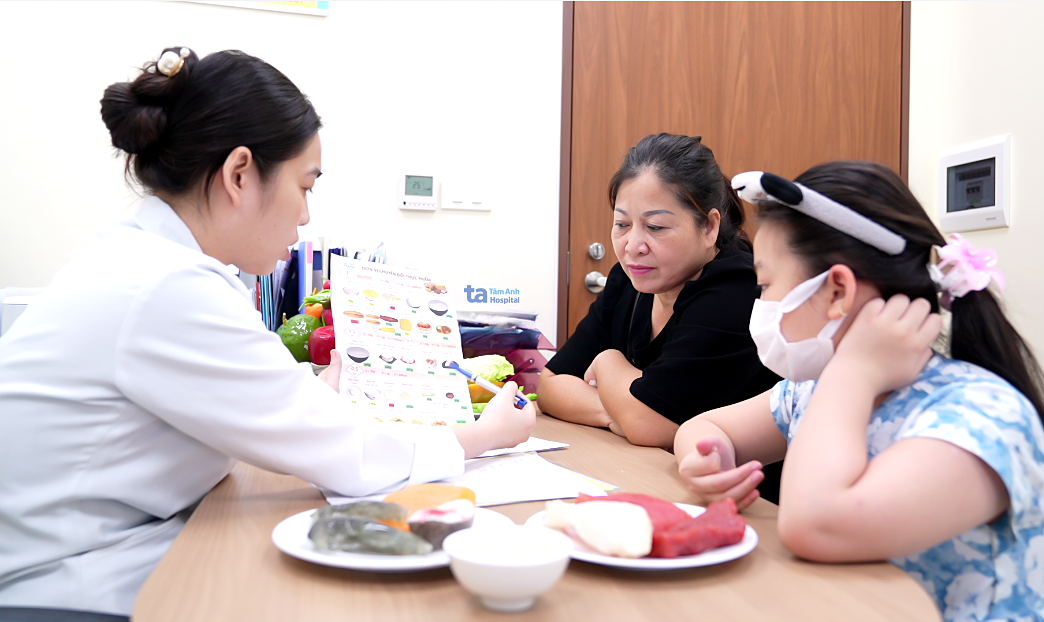 |
A doctor from the Nutrition Department consults with a parent. Illustration: Tam Anh General Hospital |
Completely eliminating fats from an overweight child's diet is a common concern among parents worried about weight or cardiovascular disease. However, fat is an essential nutrient for brain and nervous system development. In the first two years of life, DHA and ARA play a crucial role, with children needing approximately 30-40% of their energy from healthy fats such as olive oil, fish oil, avocado, and various nuts. Instead of cutting back, parents should select and supplement their child's meals with good fats.
Allowing children to consume too many sweets, such as candies, cakes, and condensed milk, can cause them to feel full, reduce their intake at main meals, lead to digestive disorders, and increase the risk of cavities, diabetes, and cardiovascular diseases. A healthier approach is to enhance natural sweetness using vegetables like carrots, pumpkins, sweet potatoes, or fresh fruits.
Many parents assume that thin children lack protein and consequently increase their intake of meat, eggs, and milk. However, excessive protein can overload the kidneys and cause digestive disorders. A child's diet should be diverse, combining at least five out of eight food groups. Protein should constitute only about 15-20% of the total energy, with the remainder coming from carbohydrates, vegetables, and good fats. Parents should gradually introduce foods, moving from liquid to solid and from small to larger quantities, according to the child's age.
Doctor Hang advises parents to create appealing meals, foster a joyful atmosphere, set a good example for children, avoid forced feeding, and encourage daily physical activity to help children develop a healthier appetite.
Trinh Mai
| Readers can submit questions about newborns here for doctors to answer. |