Many people regularly clean their ears with cotton swabs, hoping to remove earwax. However, this habit is a common cause of outer ear canal inflammation and fungal or bacterial infections, according to Master, Doctor Trieu Thi Ngoc Anh from the Department of Otolaryngology at Tam Anh General Hospital Hanoi.
Earwax, a mixture of secretions from sebaceous and sweat glands along with shed skin cells, acts as a protective layer for the ear canal. Its slightly acidic nature (low pH) helps inhibit the growth of bacteria and fungi. When earwax is removed too frequently, this protective layer is lost, the pH becomes more alkaline, creating a favorable environment for bacteria and fungi to flourish.
Using cotton swabs or hard objects can inadvertently scratch the skin of the ear canal, disrupting its natural protective barrier. In some instances, sharp objects can lead to serious ear injuries, such as tears in the outer ear canal or a perforated eardrum. Cotton swabs can also push earwax deeper, causing it to accumulate near the eardrum and potentially forming an earwax plug. Common symptoms of this include ear fullness, hearing loss, or tinnitus.
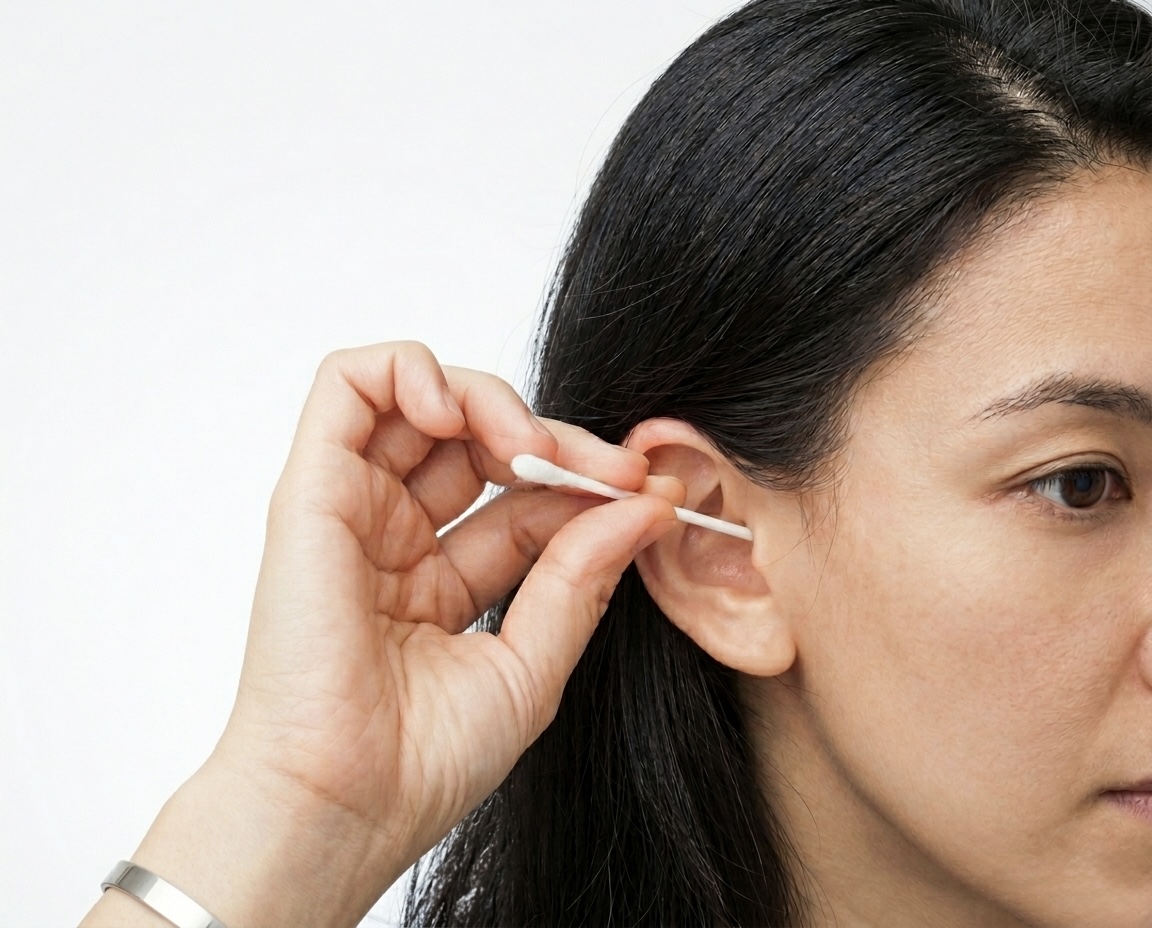 |
Using cotton swabs to clean ears can cause ear damage. Photo created by AI |
Doctor Anh also notes that cleaning ears immediately after bathing or swimming can trap water in the ear canal. This moist environment becomes an ideal breeding ground for fungi, leading to fungal otitis externa.
The ear possesses a natural self-cleaning mechanism, where epithelial cells move from the inside outwards. This process naturally expels earwax without the need for manual intervention.
Experts advise cleaning only the outer ear with a soft towel, avoiding the insertion of any foreign objects into the ear canal. If water enters the ear, tilt your head towards the affected ear and jump ten to fifteen times to help the water drain out. A hairdryer can also be used on a low, cool setting to gently dry the ear. If you experience a blocked sensation in the ear, decreased hearing, prolonged itching, or pain, seek medical attention for proper examination and treatment to prevent complications such as otitis media, a perforated eardrum, or impaired hearing.
Thuy Hanh
| Readers can submit questions about ear, nose, and throat conditions here for doctors to answer |