Sleep quality tends to decline after 60 years of age. Older adults sleep less, wake up easily, and struggle to maintain continuous sleep throughout the night, often leading to daytime fatigue and listlessness, impacting their daily lives and work. Doctor Hoang Quyet Tien from the Medical Information Center, Tam Anh General Hospital, TP HCM, highlighted several causes of insomnia in older adults.
Neurodegeneration
The aging process affects the brain's sleep-regulating regions and impairs neurotransmission. The accumulation of free radicals with age damages blood vessels, reducing blood and oxygen flow to the brain. This results in lighter sleep, making older adults prone to waking up in the middle of the night, struggling to fall back asleep, or waking too early.
Sleep Habits
With more leisure time, older adults often nap, sleep excessively during the day, or maintain irregular sleep schedules. This disrupts their wake-sleep cycle, eventually leading to chronic insomnia.
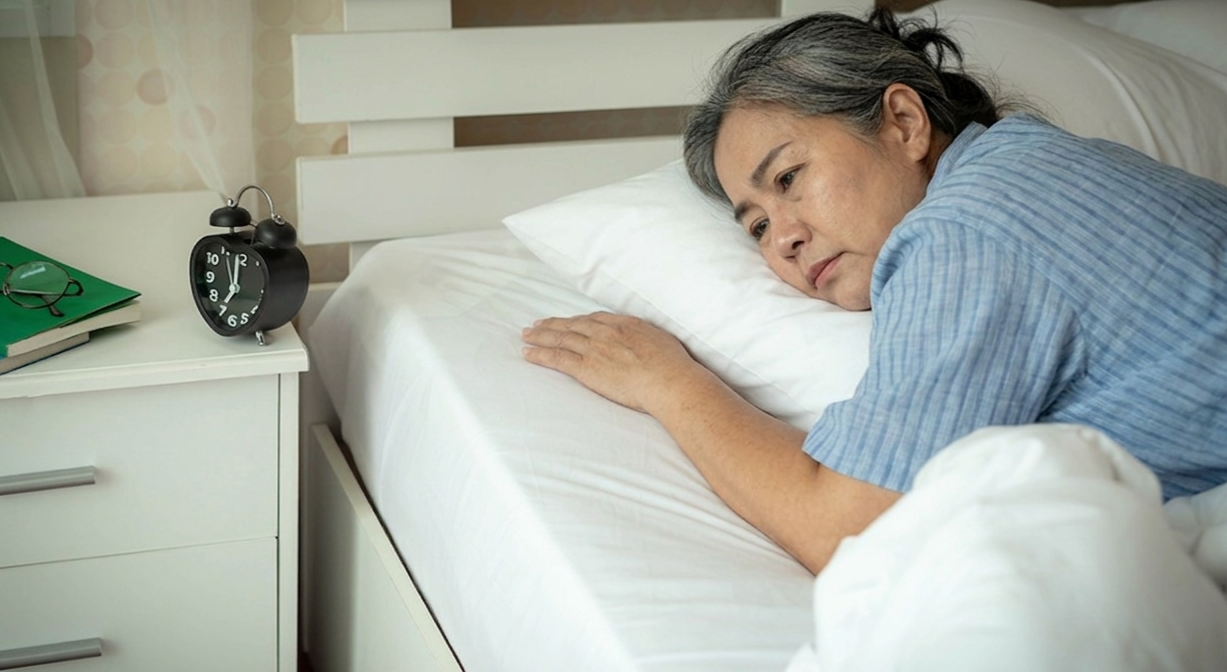 |
Prolonged insomnia in older adults can negatively affect mental well-being. *AI-generated image* |
Chronic Illnesses and Medications
Conditions such as musculoskeletal disorders, diabetes, asthma, Alzheimer's, prostate enlargement, and hypertension can cause nocturnal pain and discomfort, disrupting sleep. Restless legs syndrome and sleep apnea are common among older adults, leading to frequent nocturnal sleep interruptions and reduced deep sleep duration.
The use of multiple medications can also produce sleep-related side effects. Certain antidepressants and corticosteroid-containing drugs may cause difficulty sleeping at night while leading to excessive daytime drowsiness. Furthermore, drug interactions often negatively impact sleep quality.
Hormonal Decline
Hormone deficiencies in postmenopausal women can lead to hot flashes, night sweats, sleep disruptions, and difficulty maintaining deep sleep.
Reduced Physical Activity and Social Interaction
Decreased physical activity results in lower energy expenditure, making it harder to feel naturally sleepy. Loneliness, stress, and limited social engagement also contribute to difficulty falling asleep and experiencing restless sleep in older adults.
Lack of Sunlight Exposure
Sunlight helps regulate the body's wake-sleep cycle and supports the production of melatonin, a hormone that promotes sleepiness. Limited exposure to natural sunlight can disrupt this sleep-wake cycle.
Doctor Tien advises that older adults can improve their sleep quality by maintaining a consistent sleep schedule, increasing daytime physical activity, optimizing their sleep environment, and managing underlying health conditions. Additionally, natural supplements like blueberry and ginkgo biloba may help neutralize free radicals and alleviate insomnia.
If sleep quality does not improve despite these measures, older adults should consult a neurologist for diagnosis and appropriate treatment.
Dinh Dieu
| Readers can submit questions about neurological conditions here for a doctor's response. |