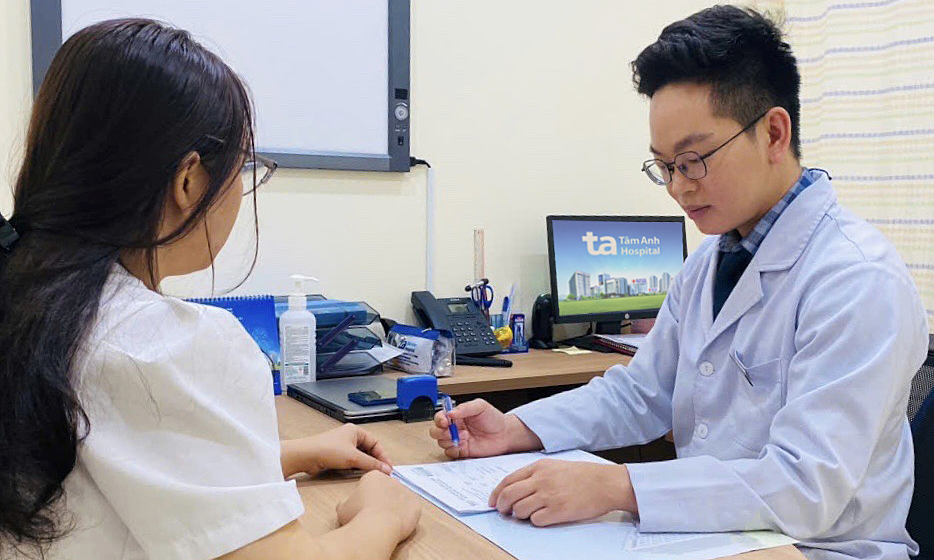
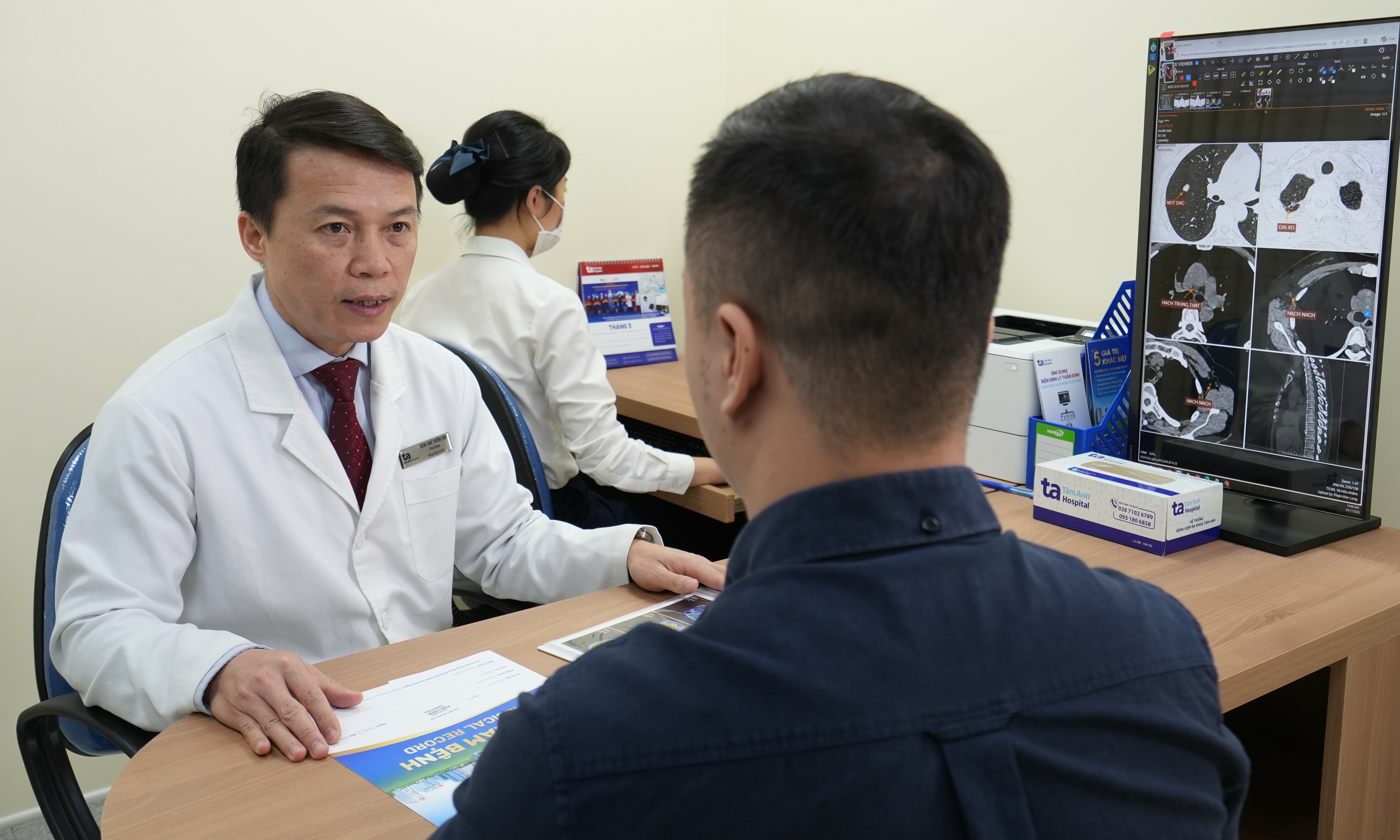
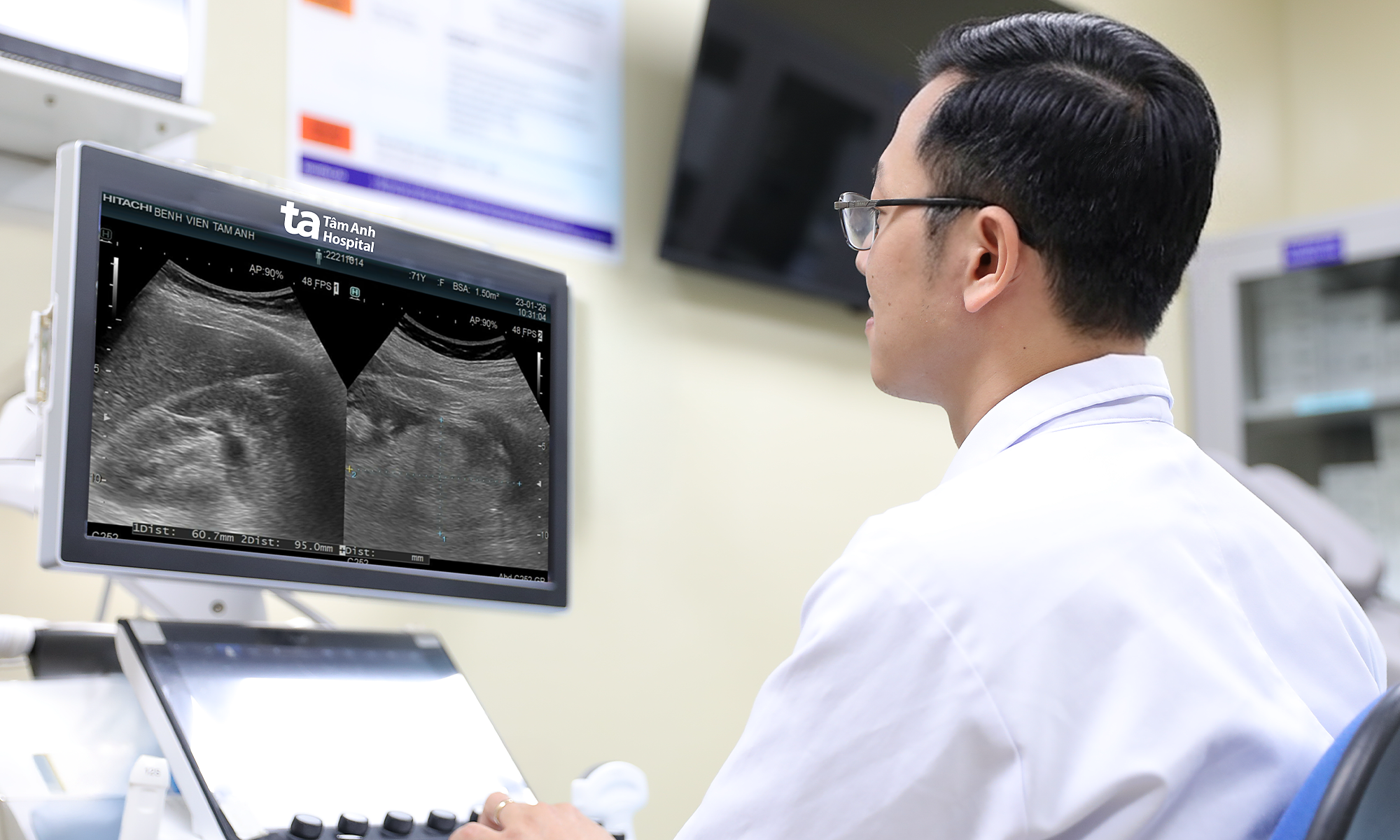
Prolonged late-night activity, defined as staying awake past 11 PM, can disrupt the body's natural biological clock. This disruption directly impacts the hypothalamic-pituitary-ovarian axis, a critical endocrine regulatory system in women. When sleep duration is shortened or occurs at irregular times, the body's secretion of key hormones such as melatonin, cortisol, estrogen, and progesterone becomes imbalanced.
This hormonal imbalance can manifest in various ways, including irregular menstrual cycles and an increased risk of ovulatory dysfunction. It often leads to persistent fatigue, mood changes, acne, and can even reduce fertility.
 |
Women who frequently stay up late can experience hormonal imbalances. *Image created by AI*
While not all women who stay up late or work night shifts experience hormonal imbalances, certain groups face higher risks. These include individuals who work night shifts for many years, consistently sleep fewer than 6-7 hours daily, have irregular diets, or frequently endure work-related pressure and stress. Additionally, women over 30 or those undergoing natural hormonal changes are more susceptible to the adverse effects of prolonged late-night habits or night work.
To mitigate these risks, women should prioritize maintaining 7-8 hours of sleep daily, even if it means sleeping during the day. Creating an optimal sleep environment: quiet, dark, and cool, can significantly improve sleep quality. Upon waking, increasing exposure to natural light helps the body readjust its biological clock. Furthermore, adopting a healthy diet rich in green vegetables, fruits, vitamins, and omega-3 is crucial. Limiting fast food and caffeine intake at night is also advised. Regular physical activity, such as walking, yoga, or swimming, can effectively reduce stress and support overall hormone balance.
If symptoms such as persistent irregular periods, prolonged fatigue, acne, or excessive hair loss appear, women should seek early medical consultation. A doctor can conduct a thorough examination and hormonal check-up to identify and address any underlying issues.
Master. Doctor Vuong Thi Huong
Obstetrics and Gynecology Unit
Tam Anh Cau Giay General Clinic