Test results for Mr. Tien at Tam Anh General Hospital, Ho Chi Minh City, revealed pancreatic enzymes in his blood were over 12 times higher than normal, and blood triglyceride levels were 81,7 mmol/L (exceeding the normal threshold by 48 times). CT scans showed an edematous and necrotic pancreas, with widespread peripancreatic inflammation. Doctor Duong Pham Van Thanh, from the Emergency Department, diagnosed necrotizing pancreatitis caused by hypertriglyceridemia, exacerbated by obesity and type 2 diabetes.
"The patient's continuous alcohol consumption, combined with a short period of eating many protein- and fat-rich foods, disrupted lipid metabolism in his blood, causing triglycerides to surge and trigger a severe inflammatory response in the pancreas," explained Doctor Thanh.
The patient showed signs of acute kidney failure, with reduced urine output and elevated inflammatory markers in his blood. He received treatment in the Intensive Care and Anti-poisoning Department (ICU), undergoing plasma exchange to rapidly remove the high levels of triglycerides from his blood. The separated plasma appeared cloudy yellow, contrasting with its normal clear yellow color, clearly reflecting the dangerous extent of his dyslipidemia. Following plasma exchange, triglyceride levels decreased to approximately 5,1 mmol/L, preventing further pancreatic damage.
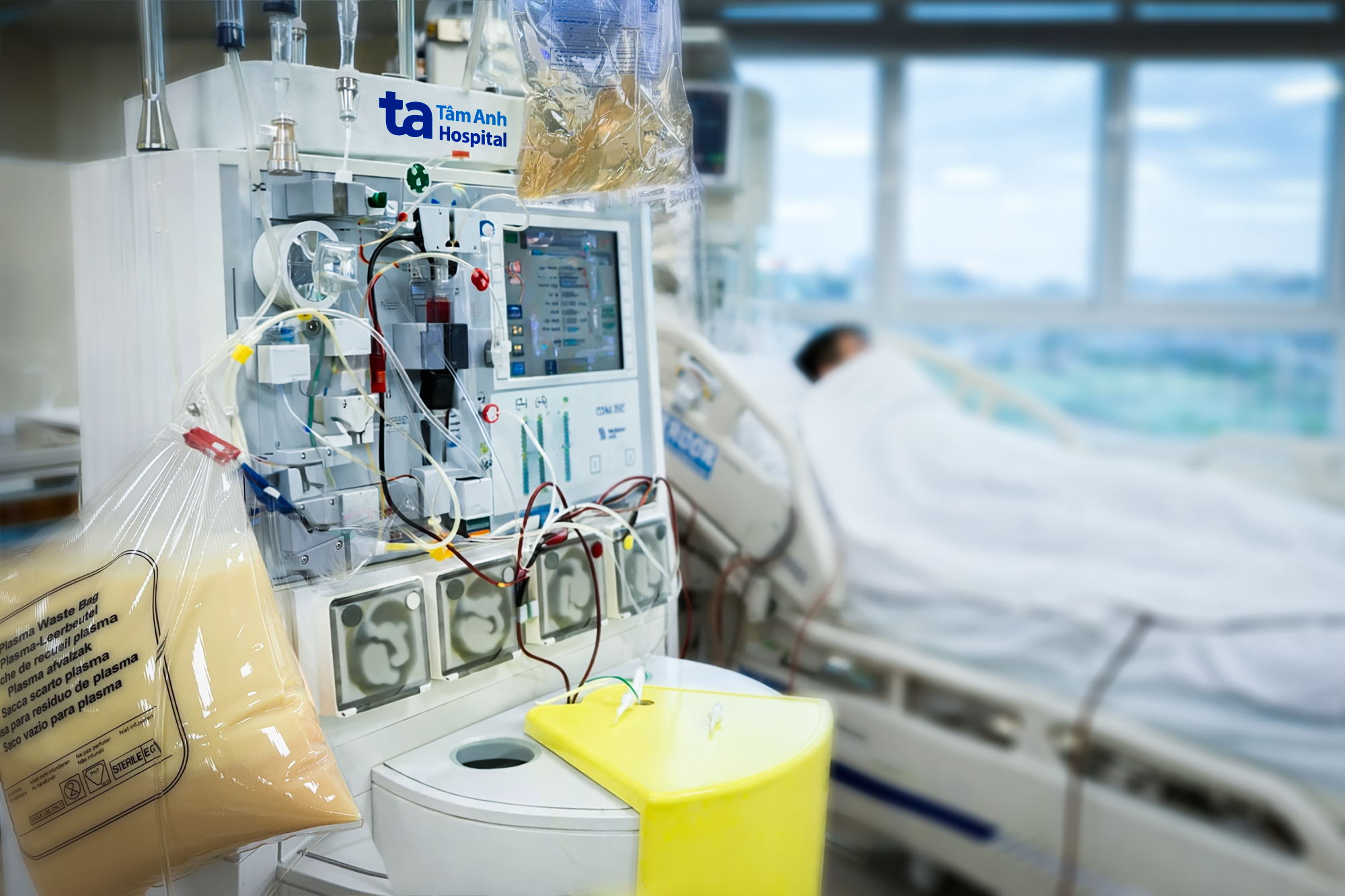 |
The cloudy yellow bag (below) contains blood fats (triglycerides) filtered from the blood of an acute pancreatitis patient. *Photo: Tam Anh General Hospital* |
Mr. Tien continued to undergo continuous dialysis for several days to support kidney function and reduce inflammation. After 10 days, his pain and abdominal distension decreased.
Acute pancreatitis is a sudden inflammation of the pancreas. It occurs when pancreatic digestive enzymes, instead of being secreted properly to digest food, activate within the pancreatic tissue itself. When this mechanism is disrupted, these pancreatic enzymes become agents that self-destruct the pancreatic tissue, causing severe abdominal pain and a systemic inflammatory response.
Doctor Dinh Tuan Vinh, from the ICU, stated that the most common cause of pancreatitis is gallstones, followed by alcohol consumption and hypertriglyceridemia. Patients with obesity, diabetes, or dyslipidemia who consume alcohol have a higher risk of acute pancreatitis. Recurrent acute pancreatitis can progress to chronic pancreatitis, leading to a gradual loss of pancreatic digestive and endocrine functions, resulting in malabsorption, malnutrition, and diabetes requiring lifelong insulin treatment.
Doctors recommend that everyone control their eating and drinking when attending parties. If symptoms such as severe abdominal pain, nausea, or frequent vomiting appear, seek hospital care early for timely diagnosis and treatment. Individuals who are overweight, obese, diabetic, consume alcohol regularly, or have a history of high blood lipid levels should undergo regular general health check-ups and monitor these indicators early to prevent health complications.
Nhat Thanh
*The patient's name has been changed
| Readers can ask questions about digestive diseases here for doctors to answer. |