On 4/1, South Korea's Ministry of Interior and Safety released population data for 2025, revealing that the country now has over 10,8 million people aged 65 and older. This figure represents 21,21% of the total 51 million population, exceeding the 20% threshold the United Nations uses to define a super-aged society. The number of elderly people increased by over half a million in just one year.
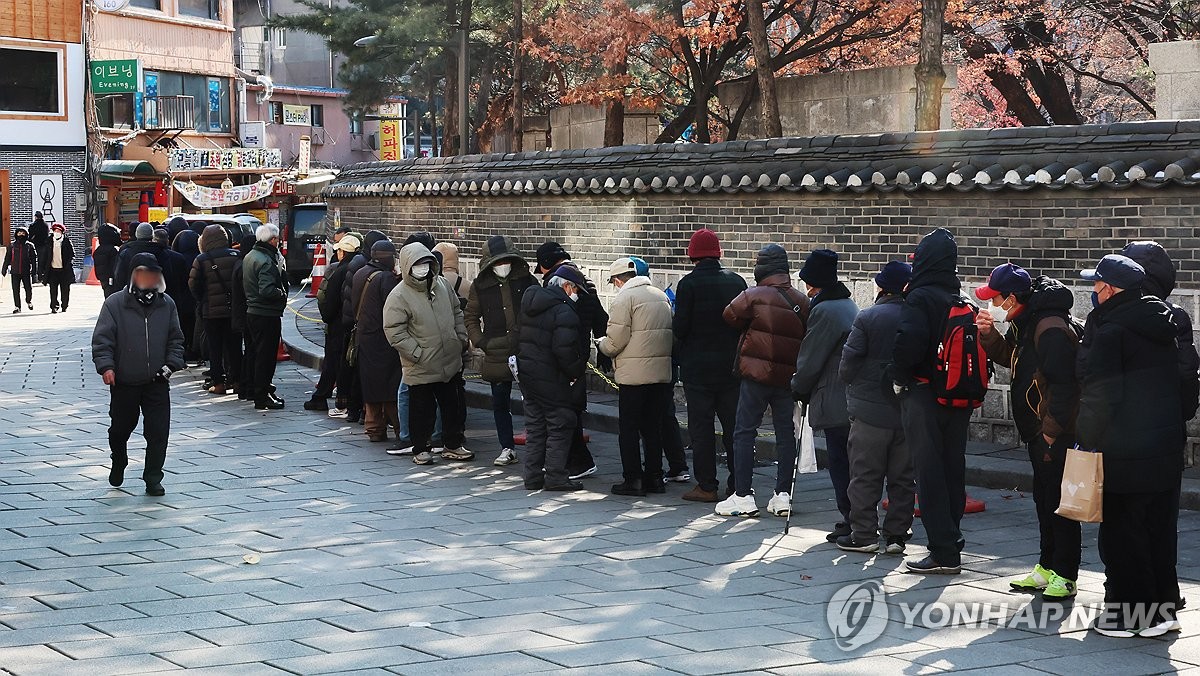 |
The proportion of South Korea's elderly population aged 65 and over continues to rise, currently accounting for 21,21% of the total population. *Yonhap News*. |
The aging wave is rapidly spreading from rural areas to major cities. For the first time, both the capital, Seoul, and Jeju Island have joined the ranks of super-aged regions, with their elderly populations at 20,43% and 20,09% respectively. In other major cities like Busan, this proportion has reached 25,26%. The situation is more severe in rural areas, exemplified by Uiseong district, where the elderly account for nearly 50% of the population. On average, areas outside the capital maintain an aging rate of 23,69%.
Alongside the aging trend is a surge in single-person households. Households with only one member now constitute 42,27% of all households nationwide. The average size of a South Korean household has shrunk to 2,1 people, reflecting a breakdown in traditional family structures. Notably, over 2,2 million elderly individuals currently live alone, with the over-70 age group making up the largest proportion.
The data also highlights a clear gender imbalance in demographics. The proportion of elderly women currently exceeds that of men by approximately 4,39 percentage points. South Korean women not only have a longer life expectancy but also tend to live alone more often in old age. Statistics show that over 31% of women in single-person households are in the over-70 age group. Conversely, men living alone are predominantly concentrated in the working-age range of 20 to 60, with the 30s age group being the largest (accounting for over 20%).
Experts believe that the combination of record-breaking aging rates and the trend of single-person households is creating immense pressure on South Korea's social security, healthcare systems, and national development strategies for the next decade.
Binh Minh (*Yonhap News*)