The Ho Chi Minh City Department of Health (HCMC DoH) launched a new digital system for receiving and processing healthcare feedback in early 2026. This initiative allows residents to submit comments and recommendations through various channels, including hotlines, suggestion boxes, direct citizen reception, and formal complaint resolution processes, according to Director Tang Chi Thuong.
Over its first six months, the system recorded 1,035 feedback submissions, with 1,029 cases already processed.
Statistical analysis revealed that the most frequent feedback category, accounting for 285 cases, concerned legal violations in healthcare, such as unlicensed clinics and illegal advertising. Administrative procedures and online public services followed, with 145 cases. Other significant areas of public input included medical staff's service attitude, the quality of medical examinations, treatment procedures, and issues related to costs and health insurance payments.
"These submissions act as an 'early warning signal', helping the healthcare sector identify operational shortcomings in hospitals and clinics for timely correction," Mr. Thuong stated in mid-July.
Ho Chi Minh City has actively pursued digital transformation in healthcare, implementing electronic medical records, online appointment booking, cashless payments, and health insurance data linkage. These efforts aim to streamline processes and reduce patient waiting times. However, major hospitals frequently experience overcrowding, leading to persistent delays in registration, payments, tests, and medication collection. Consequently, feedback related to medical examination and treatment procedures remains a prominent concern.
The HCMC DoH noted a significant improvement from previous methods, where feedback was often handled on a case-by-case basis. Now, all public input is digitized and stored on a central system. This data is categorized by medical facility, service area, severity, and processing time, enabling management to track trends, pinpoint units with numerous complaints, and identify recurring issues for targeted solutions.
Upon receipt, feedback is forwarded to the relevant medical facility for verification and response. Cases indicating potential violations are subject to investigation and appropriate action. Complex incidents or those with criminal implications are coordinated with law enforcement agencies for verification.
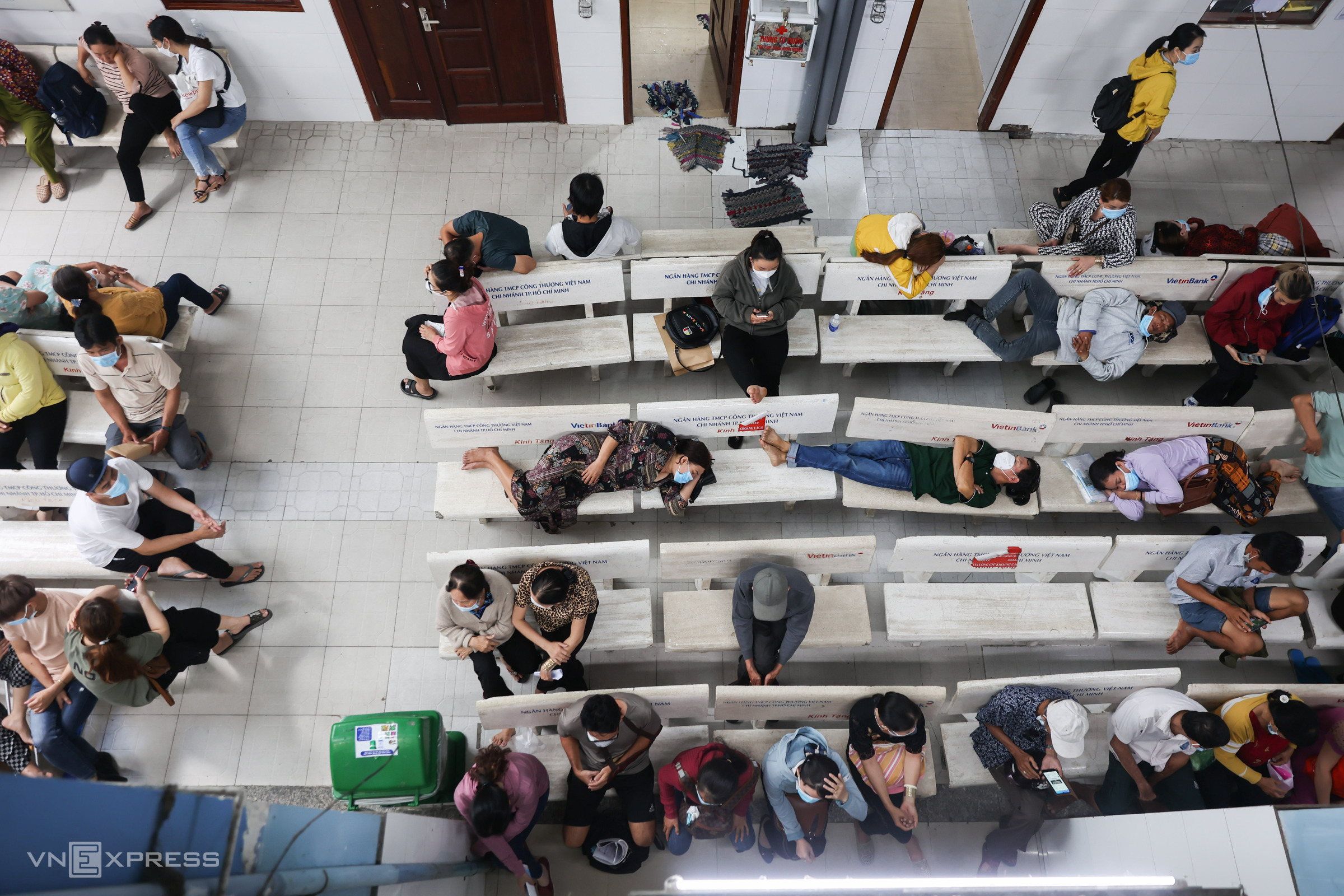 |
Patients wait for examinations at a major hospital in Ho Chi Minh City. Photo: Quynh Tran
Each morning, the HCMC DoH's special task force reviews new feedback, evaluates each facility's handling results, and analyzes the root causes of individual incidents. According to Director Thuong, this proactive approach has uncovered many errors in professional practice, management procedures, communication, and even signs of legal violations stemming from initial public feedback.
"A modern healthcare system is not defined by the absence of feedback, but by its capacity to listen, analyze, and adapt to serve citizens more effectively," he concluded.
Le Phuong