Cruciate ligaments are prone to injury from sudden movements or strong impacts to the knee. Such injuries cause patients pain and difficulty moving. For severe damage, doctors recommend surgical intervention.
Master of Science, Doctor of Medicine, Level II Specialist Tran Anh Vu, Head of the Sports Medicine and Endoscopy Department at Tam Anh General Hospital TP HCM, states that all-inside arthroscopic ligament reconstruction is a minimally invasive procedure. All surgical steps occur within the joint through small skin incisions, about 1 cm. This approach minimizes soft tissue damage, leading to less pain, reduced blood loss, and faster recovery for patients. However, even with successful surgery, improper postoperative care can lead to complications such as delayed recovery, re-rupture of the ligament, decreased knee joint function, and accelerated early degeneration.
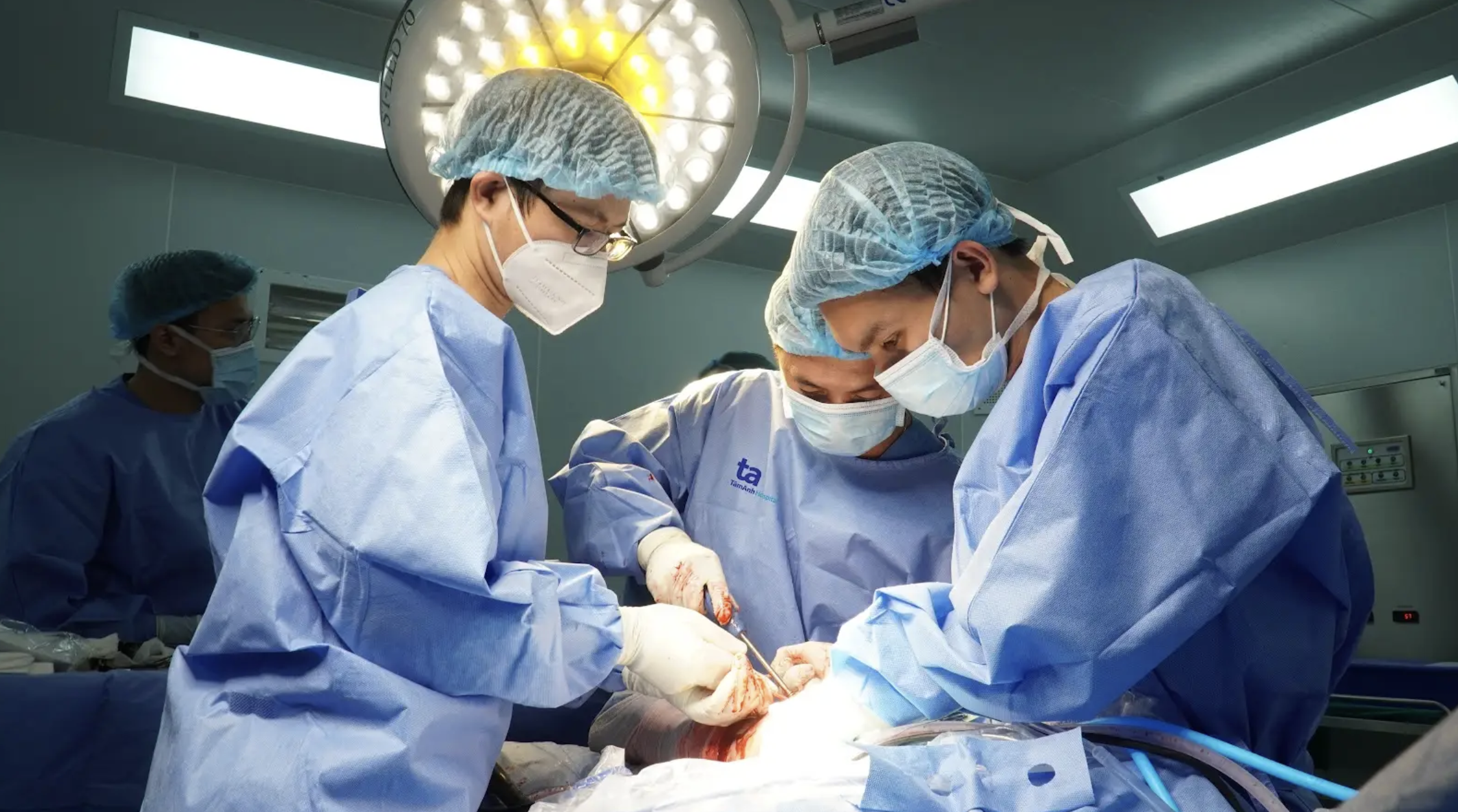 |
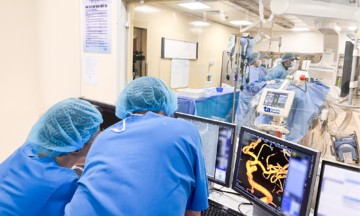
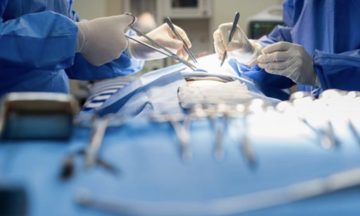
Doctor Vu (center) performs knee ligament reconstruction surgery, restoring patient mobility. *Photo: Tam Anh General Hospital* |
To support effective recovery and prevent complications, patients should pay attention to postoperative care, which includes:
Exercise helps the knee joint regain flexibility, prevents muscle atrophy, and mitigates risks such as deep vein thrombosis, incidental knee joint damage, nerve injury, or knee laxity. Patients must follow the doctor's prescribed exercises and intensity, adhering to the principle of progressing from slow to fast, light to strong, and low to high volume. This allows the knee joint time to adapt and prevents re-injury after surgery.
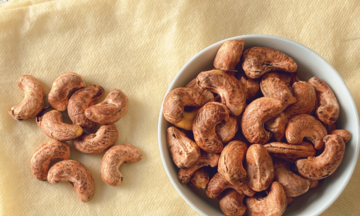
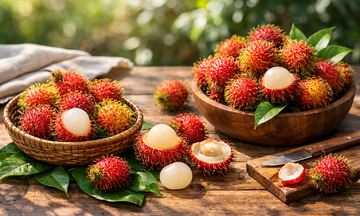
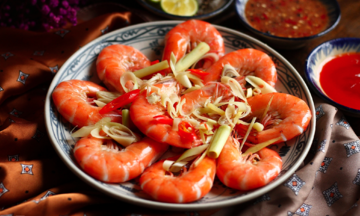
A balanced and complete diet enhances overall health and shortens postoperative recovery time. Patients should increase their intake of calcium-rich foods, such as milk and dairy products, to support strong bones and joints. Supplementing with green vegetables and fresh fruits, rich in vitamins and minerals, boosts nutrient absorption. Protein-rich foods like meat, fish, seafood, and grains promote faster wound healing, while antioxidant-containing foods, such as citrus fruits and garlic, help reduce the risk of infection.
Patients should avoid strenuous activity or excessive knee flexion and extension movements. Do not remove the immobilization brace without the doctor's approval. Avoid stimulants and alcohol, and allocate sufficient rest for the body to recover quickly.
Doctor Vu notes that swelling around the knee after ligament surgery is normal. However, if bleeding occurs at the surgical site or severe pain persists in the postoperative phase, patients must promptly visit a medical facility for examination. Adhere to scheduled follow-up appointments or seek immediate care if any unusual signs are detected, allowing the doctor to intervene promptly and prevent complications that could reduce treatment effectiveness.
Phi Hong
| Readers can ask questions about musculoskeletal diseases here for doctors to answer. |