According to Dr. Pham Van Duong, from the General Internal Medicine Department at Tam Anh General Hospital, Hanoi, this condition is often referred to as "post-holiday slump syndrome," reflecting a common state of sluggishness and reduced motivation after long holidays. Many people alter their routines, staying up late, consuming alcohol, eating irregularly, and traveling extensively during Tet. The body's biological clock, accustomed to fixed work hours, gets disrupted. When returning to the work routine, the body struggles to adapt, leading to fatigue, reduced concentration, and slower reflexes. Once accustomed to the relaxed state of the Tet holiday, returning to highly disciplined tasks can prompt the brain to react with procrastination and avoidance.
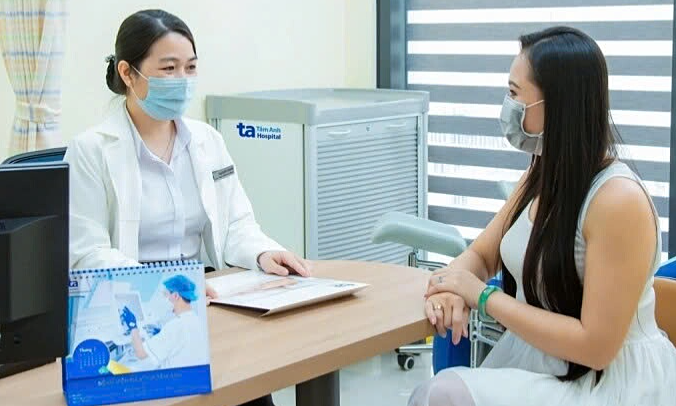
Dr. Duong advised Mai Anh to adjust her sleep schedule and break down her work into smaller tasks. After one week, she gradually regained her work rhythm and no longer felt overwhelmed.
 |
Mai Anh shared with the doctor symptoms of sluggishness and emptiness during the first week back at work after Tet. Photo: Tam Anh General Hospital
The doctor noted that most sluggishness subsides within a few days to one week if sleep, diet, and work routines are adjusted. However, if symptoms persist for over two weeks, accompanied by chronic insomnia, rapid heartbeat, excessive anxiety, sadness, or a significant loss of interest in all activities, it could signal an adjustment disorder or even mild depression.
Unlike typical sluggishness, adjustment disorder distinctly affects work performance and social relationships. Individuals with the condition often become irritable, reduce communication, and experience a significant decline in work efficiency.
Dr. Duong advises a gradual return to work, starting with moderate productivity and increasing it steadily, to avoid sudden pressure from key performance indicators (KPIs). Beginning with small, easily achievable tasks helps the brain regain a sense of control. Additionally, he recommends adjusting sleep schedules at least two to three days before returning to work, limiting alcohol consumption, and creating a prioritized to-do list.
Light exercise, exposure to sunlight, and regular meals contribute to resetting the biological clock. A fleeting lack of interest is a normal reaction. However, if the body and mind experience prolonged exhaustion, individuals should seek medical consultation.
Thanh Ba
| Readers can submit questions about neurological conditions here for doctors to answer. |