After childbirth, skin often sags, loses firmness, and a double chin can become more apparent. Hormonal shifts, fat accumulation in the face and neck, and a decline in collagen and elastin cause skin to lose elasticity. This results in less firm skin, a more defined double chin, and less contoured facial features. The choice of rejuvenation technology should consider skin thickness, fat accumulation, and the degree of sagging, rather than just age.
HIFU and Sofwave are two non-invasive skin rejuvenation methods that use ultrasound technology, but they differ in the skin layers they target. For younger women with relatively healthy skin, less aged tissues, and mild to moderate sagging, Sofwave can be a suitable option.
Sofwave utilizes parallel synchronized ultrasound technology. The ultrasound energy focuses at a depth of about 1.5 mm in the dermis, where collagen and elastin are concentrated. Through its selective action, stable energy, and precise thermal points in the dermis, Sofwave stimulates collagen regeneration, enhances skin firmness and elasticity, and minimizes discomfort. This method is more suitable for individuals with thin, sensitive skin who prioritize natural results and safety.
 |
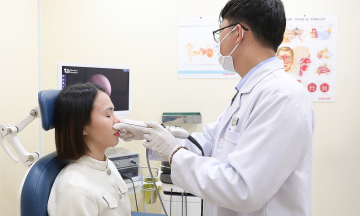
Dr. Tran uses focused ultrasound HIFU to improve sagging skin for patients. Photo: Tam Anh General Hospital
For a prominent double chin, thick fat tissue in the chin and neck, and significant skin sagging, doctors often prioritize HIFU. This technology uses high-intensity focused ultrasound, capable of penetrating deep into the fat tissue and the superficial musculoaponeurotic system (SMAS). Due to its deep action, HIFU reduces fat tissue, lifts sagging structures, and redefines the jawline. For very thin or sensitive skin, HIFU requires careful application and energy adjustments to prevent prolonged pain or post-treatment irritation.
In practice, many cases achieve good results when combining both technologies. HIFU addresses deep fat tissue, while Sofwave helps restore collagen, increase firmness, and improve surface skin quality.
To choose the most suitable method, individuals should consult a dermatologist at a hospital's Dermatology - Aesthetic Dermatology department. A doctor can directly examine the skin, assess its structure, and develop a personalized treatment plan for optimal and lasting safety.
Dr. Nguyen Ngoc Tran
Dermatology - Aesthetic Dermatology Specialist
Tam Anh General Hospital Ho Chi Minh City
Readers can submit questions about dermatology and aesthetic dermatology here for doctors to answer.