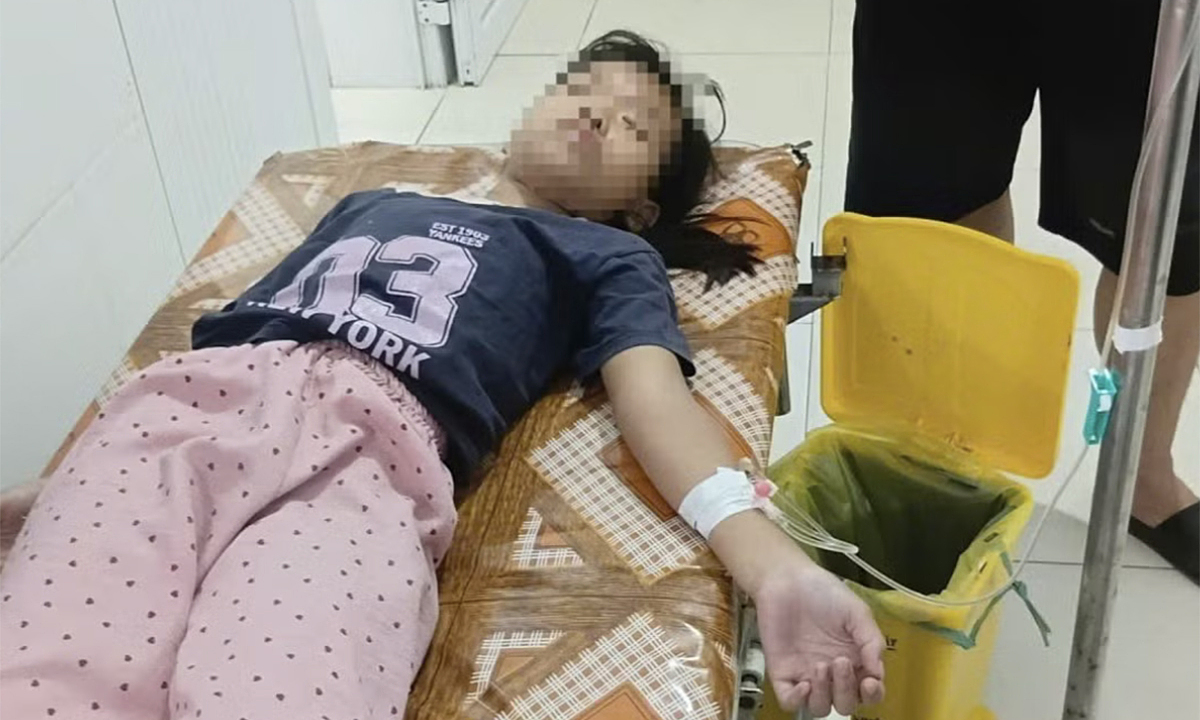
Of the 11 cases, six required inpatient treatment, while the remaining five, with milder symptoms, received outpatient medication and further home monitoring. By the morning of 1/3, most patients had stabilized, with only two remaining hospitalized for continued observation and treatment.
On 1/3, the Medical Profession Division of the Ho Chi Minh City Department of Health announced instructions for hospitals to review admissions and treatment for patients with epidemiological links to the banh mi shop. Healthcare facilities must ensure proper admission, classification, and management according to food poisoning treatment protocols. They are also required to promptly report severe cases, microbiological results, and any complications to facilitate timely coordination and standardization of protocols.
 |
An image of banh mi heo quay advertised on the shop's website. |
In early november, over 300 people in Ho Chi Minh City suffered food poisoning after eating banh mi purchased from Co Bich shops. The cause was identified as Salmonella bacterial infection.
A few days prior, over 70 individuals were hospitalized with food poisoning symptoms after consuming banh mi from Hong Ngoc 12 in Dong Thap. In mid-december, over 200 people in Quang Ngai also experienced food poisoning after eating banh mi sold at a local chain, attributed to pate and vegetables contaminated with the same agent.
Le Phuong