Postpartum care, known colloquially as 'o cu' in Vietnam, refers to the period of postnatal recovery, typically lasting from childbirth until about 4-6 weeks. This phase requires the mother's body to rest, allowing the uterus to return to its original size and the reproductive organs to heal.
According to Master, Doctor Le Nhat Nguyen, from the Obstetrics and Gynecology Unit at Tam Anh General Hospital - District 8, hot weather can dehydrate new mothers due to sweating, leading to fatigue, reduced milk production, and increased constipation risk. The humid heat also fosters bacterial growth, raising the risk of gynecological inflammation and surgical site infections. Additionally, mothers may experience sleep difficulties and irritability, impacting mental well-being and increasing postpartum depression risk.
Doctor Nguyen advises mothers giving birth during the hot season to adopt a scientific, flexible approach to healthcare, rather than strictly adhering to traditional confinement practices.
Stay cool and avoid excessive traditional taboos
After childbirth, a mother's body is vulnerable to dehydration and thermoregulation imbalances. Traditional confinement practices, such as avoiding drafts, bathing, or using air conditioning, are no longer considered suitable. Mothers should stay in a cool, well-ventilated room, using a fan or air conditioner set between 26-28 degrees Celsius, while avoiding sudden temperature changes. It is not necessary for new mothers to remain confined indoors; they can go outside to reduce depression risk, but must dress appropriately to prevent heat shock.
Prioritize personal hygiene to prevent infection
Hot weather increases sweating, which in turn raises the risk of gynecological inflammation, infection of surgical wounds, or perineal stitches after delivery. To prevent these issues, new mothers must prioritize personal hygiene rather than avoiding water or bathing. Daily showers with warm or cool water are recommended. Sanitary pads should be changed every 3-4 hours to limit bacterial growth. Keep the intimate area dry and airy, preferably using absorbent cotton underwear. Avoid vaginal douching, as it can disrupt the natural balance and increase infection risk.
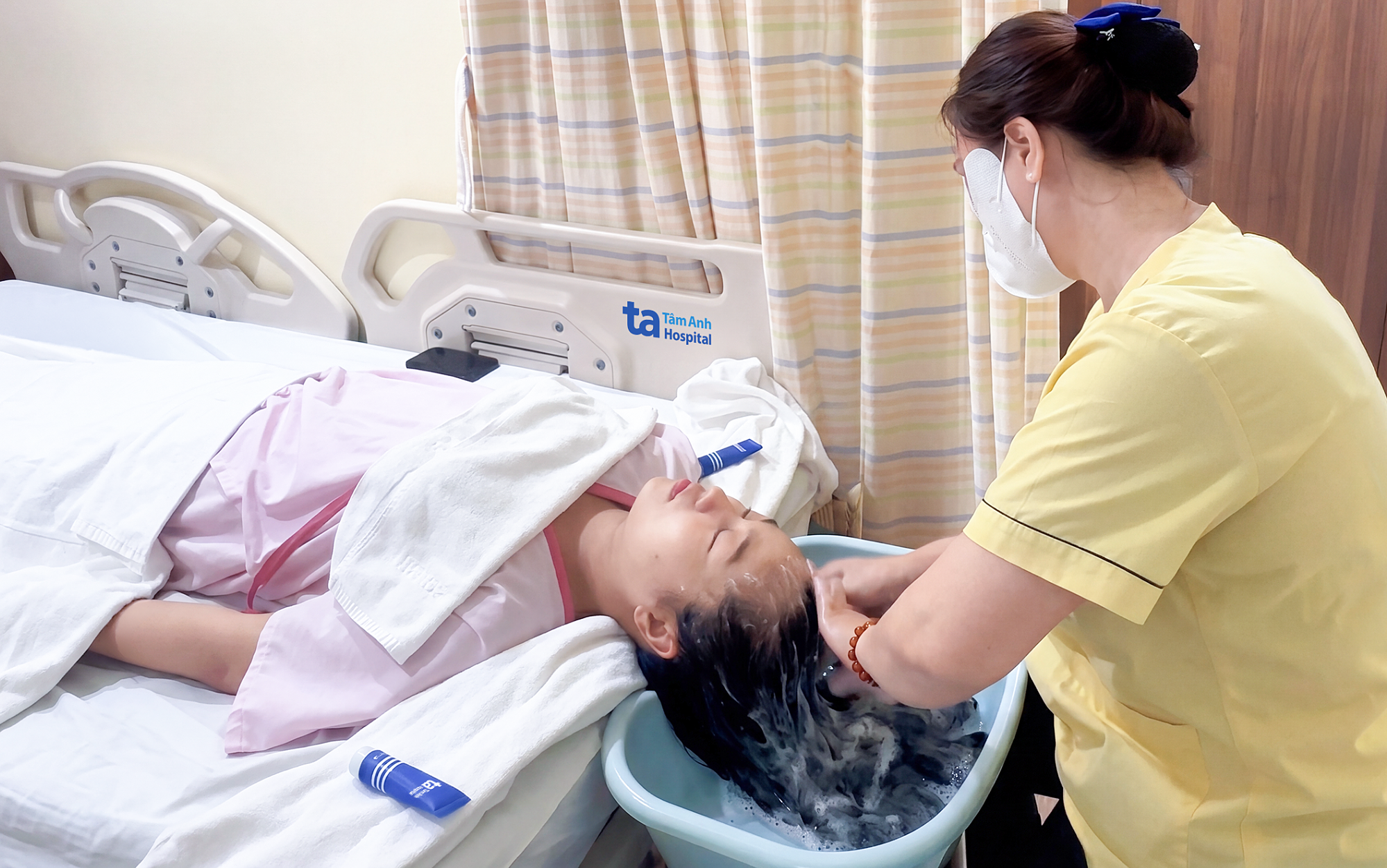 |
A new mother receives assistance with hair washing in bed after childbirth. Photo: Tam Anh General Hospital |
Stay hydrated to ensure milk supply
Mothers can easily lose water through sweat, causing breast milk to become thicker and flow more slowly, potentially leading to clogged milk ducts. A consistently damp chest area from sweat also provides a favorable environment for bacterial growth. New mothers should drink sufficient water, breastfeed frequently, and keep their chest area clean and dry. Choose soft, absorbent bras and avoid overly tight ones that can compress milk ducts.
Prioritize sleep and mental well-being
High temperatures during the hot season can cause discomfort, directly affecting the quality of sleep for new mothers. This can lead to fatigue, irritability, and an increased risk of postpartum depression. Mothers should ensure their bedroom is cool and quiet, using a fan or air conditioner at a suitable temperature. Take advantage of opportunities to rest when the baby sleeps to recover energy, and actively share childcare responsibilities with family members to reduce pressure and maintain emotional stability.
Maintain proper nutrition
The diet for new mothers during postpartum confinement in hot weather should be diverse and balanced. Prioritize green vegetables and fruits like papaya, oranges, and grapefruits to supplement vitamins and fiber, aiding digestion. Mothers need to consume protein from lean meat, fish, and eggs to regenerate energy and restore physical health. New mothers should avoid oily, fried dishes and spicy, hot foods, as these can cause indigestion or affect milk quality. Additionally, always eat thoroughly cooked food and drink boiled water to prevent digestive disorders.
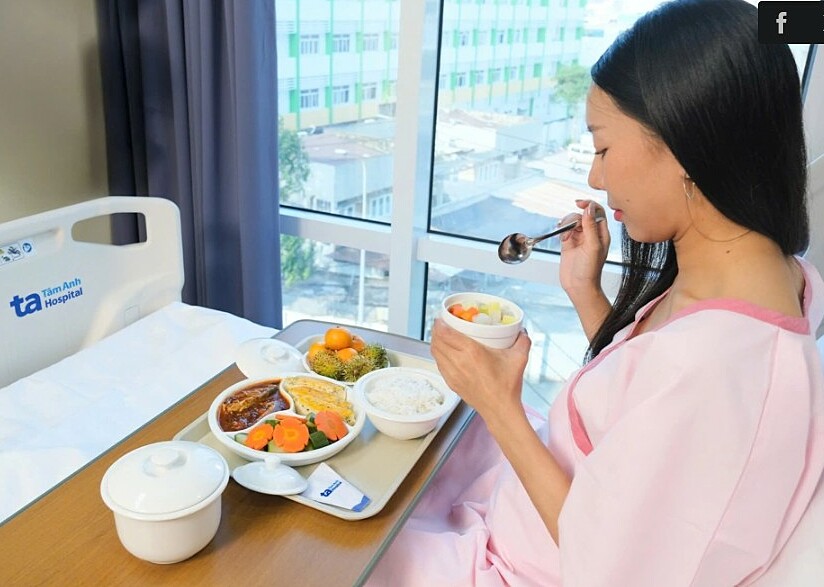 |
A nutritional menu for new mothers recovering health. Illustration: Tam Anh General Hospital |
Doctor Nguyen advises that during the postpartum period, new mothers should seek immediate medical attention if they experience any of the following: a fever above 38 degrees Celsius, foul-smelling lochia, prolonged or suddenly increased vaginal bleeding, severe abdominal pain, swollen, red, or discharging stitches, or significant pain. Symptoms such as dizziness, exhaustion, shortness of breath, or a rapid heartbeat should also not be overlooked. Family members should provide support with baby care and regularly engage in conversations with the mother to reduce her stress and ensure a smoother postpartum recovery.
Tue Diem
| Readers can send questions about obstetrics and gynecology here for doctors to answer |