A femoral neck fracture is a break in the bone segment located between the femoral head and the intertrochanteric region. Due to its anatomical features and blood supply, this is a severe injury that is challenging to treat. It carries a high risk of complications such as non-union or avascular necrosis of the femoral head.
Doctor Ho Duc Loc, Master of Science, from the Orthopedic Trauma Center at Tam Anh General Hospital TP HCM, states that in older adults, the most common cause of femoral neck fractures is falls during daily activities. When a fall occurs, the impact force combined with torsional and axial compression forces acts on the femoral neck, which is often already weakened by osteoporosis. This makes the bone susceptible to fracture even with minor trauma. Older adults typically have weakened tendons and muscles, slower reflexes, and reduced balance, all of which increase the risk of falls. Age-related osteoporosis further decreases bone density, making bone structures less resilient and increasing fracture risk.
Femoral neck fractures can also result from indirect injuries where force is applied to the knee joint or foot in an adducted thigh position, creating a significant force that leads to the fracture. Alternatively, they can be a consequence of certain medical conditions that reduce bone quality, such as osteomyelitis, bone tumors, or metastatic bone cancer. Therefore, patients with these conditions need to ensure adequate nutritional support for their bones, exercise caution in daily activities, and take measures to prevent falls.
 |
Doctor Loc explains a patient's joint condition. Illustrative photo: Tam Anh General Hospital |
Most femoral neck fractures in older adults require early surgical intervention, often within the first 24-48 hours after the injury. Depending on the fracture's severity and the patient's condition, doctors may opt for internal fixation or hip replacement. Internal fixation involves using screws, nails, or plates to stabilize the fracture site and is typically applied to non-displaced fractures or younger patients. Hip replacement is indicated for displaced fractures in older adults, helping patients regain mobility sooner.
Currently, hip replacement techniques such as SuperPATH, ABMS, and DAA are minimally invasive, leading to less post-operative pain, reduced blood loss, and earlier mobilization for patients. Maximally preserving the tendon and muscle system also helps patients prevent the risk of post-operative hip dislocation, a serious complication that may necessitate revision surgery.
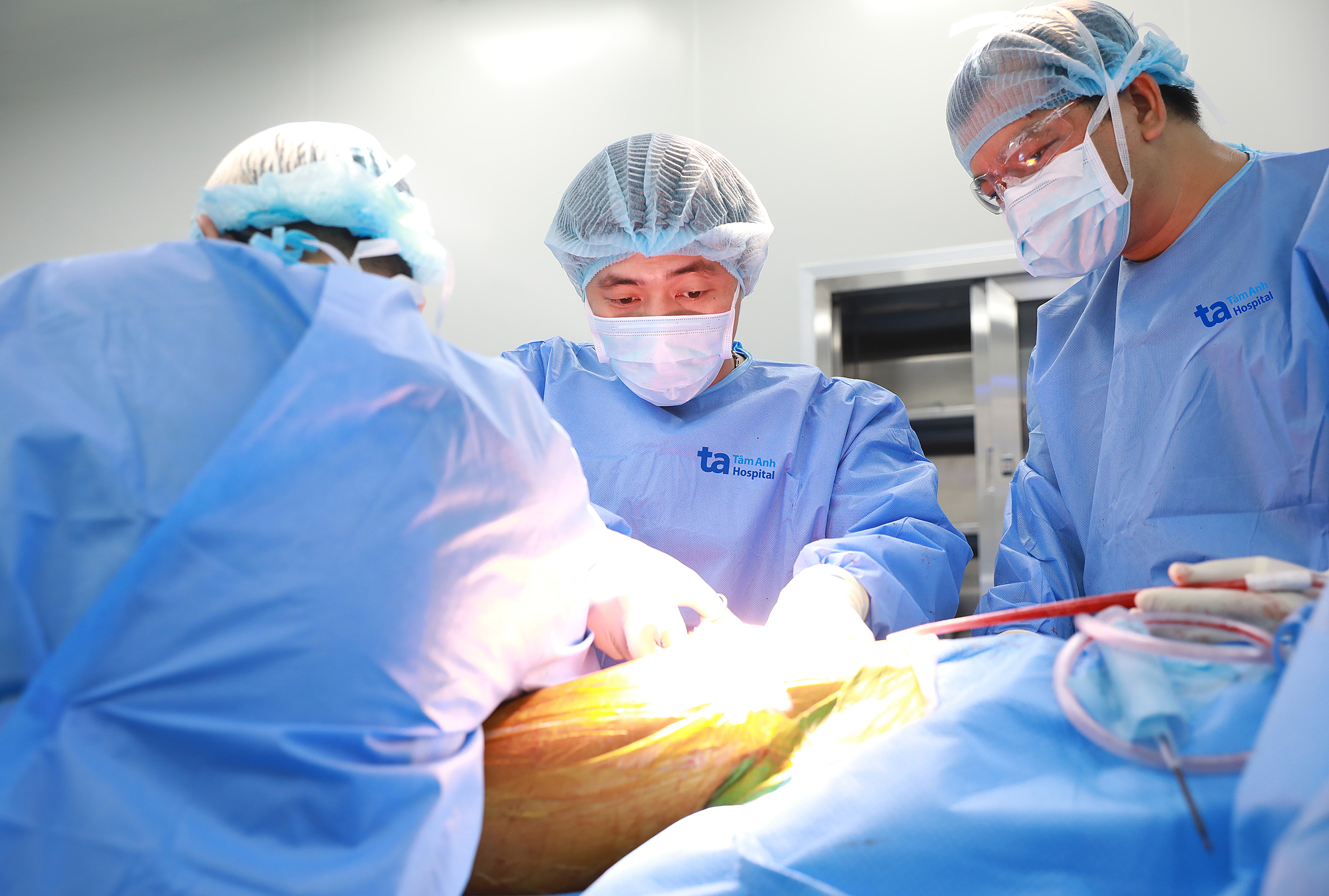 |
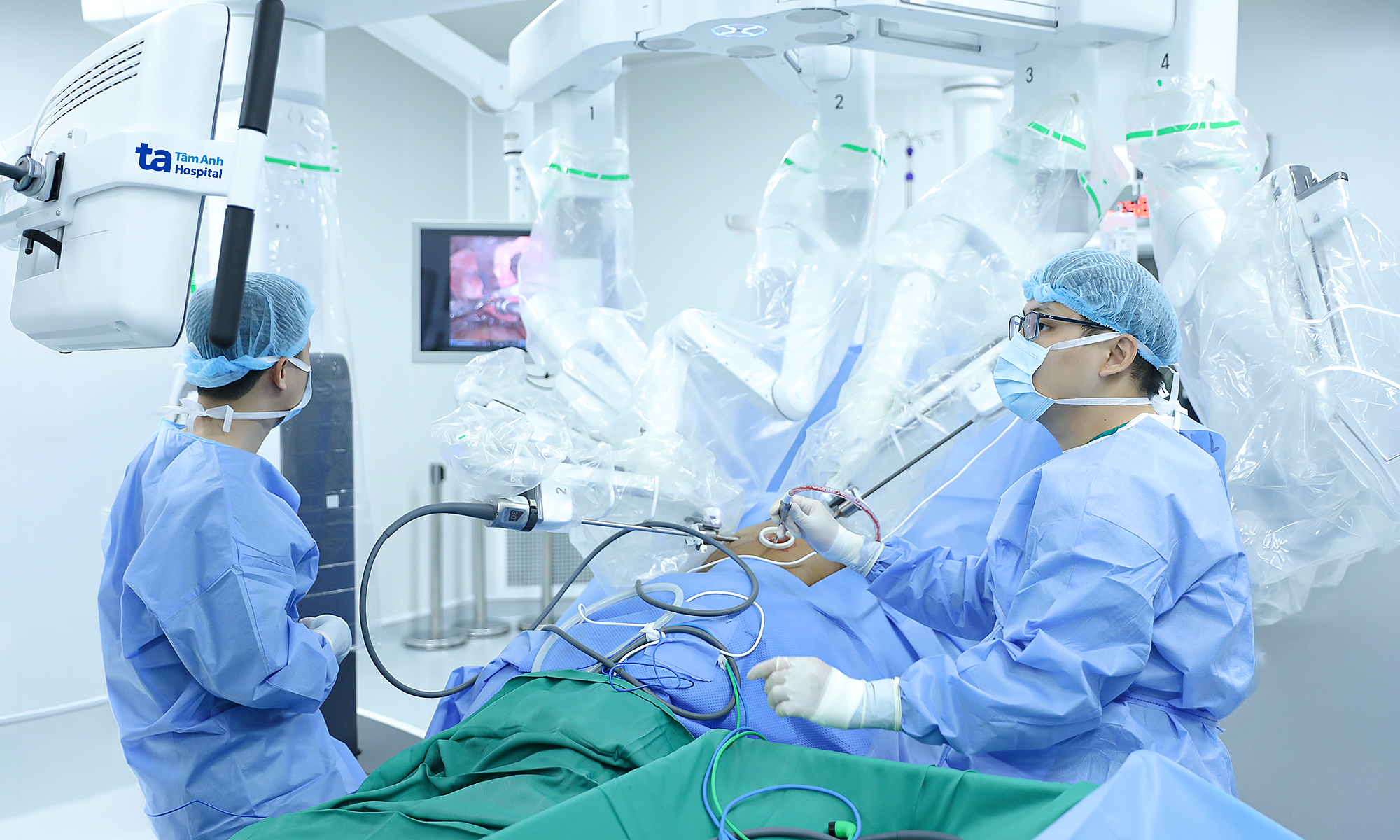
Doctor Loc (center) during a hip replacement surgery. Photo: Tam Anh General Hospital |
Doctor Loc advises patients to seek medical attention promptly if they experience symptoms after a fall, such as pain in the groin or hip area, increased pain with movement or when tapping the heel, inability to stand or walk, inability to lift the leg off the bed, or if the injured limb appears shorter and externally rotated. Timely treatment and early surgery, if necessary, help reduce the risk of dangerous complications from prolonged bed rest, which can be life-threatening. These complications include blood clots, pressure ulcers, lung infections, urinary tract infections, muscle atrophy, and malnutrition.
Phi Hong
| Readers can submit questions about musculoskeletal diseases here for doctors to answer |