On 4/8, doctors at Cam Khe Medical Center were alerted to a critical health situation when a 40-year-old man's blood plasma immediately turned milky white during a routine test. This unusual milky appearance, starkly different from the normal clear, pale yellow fluid, signaled a severe medical condition. Doctor Nguyen Van Phong, Head of General Internal Medicine and Tropical Diseases Department, noted the plasma's immediate discoloration.
The patient had a history of alcohol abuse, previously undergoing two treatments for pancreatitis and gastric ulcers. Three days before his hospital admission, he reported fatigue, poor appetite, dull epigastric pain, and a burning sensation behind his sternum.
Doctor Phong explained that milky plasma typically indicates serious illness, as such discoloration usually occurs only after laboratory processing. Subsequent blood tests confirmed the severity: liver enzymes were about 12 times above normal, triglycerides were 9 times higher, and the GGT index was approximately 38 times the normal limit. He also suffered from fatty liver.
These results indicated severe hepatitis, directly linked to prolonged alcohol abuse, according to the doctor. The patient received intensive medical treatment, focusing on controlling metabolic disorders and closely monitoring liver function.
After nearly two weeks of treatment, the patient's condition improved, with a reduction in abdominal pain and heartburn.
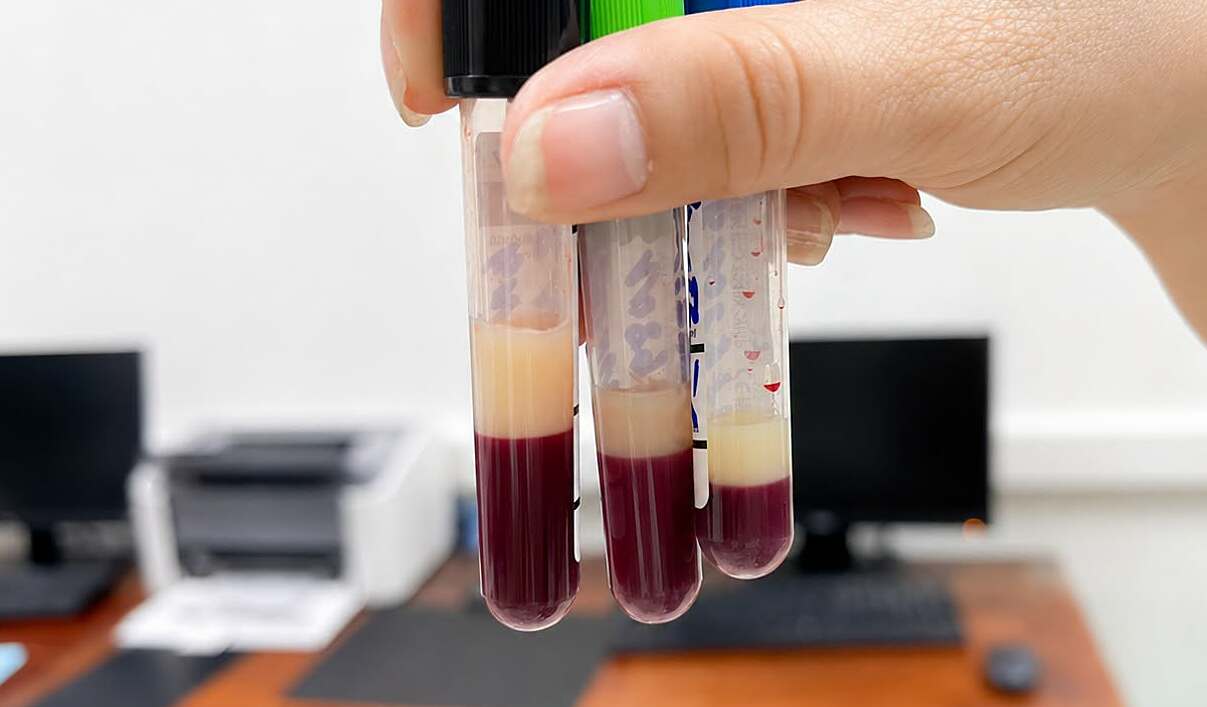 |
The patient's plasma was milky white immediately after the blood test. *Photo: Hospital provided* |
Plasma, a crucial component of blood, makes up 55-65% of total blood volume and plays a vital role in nourishing the body. Normally, it is a clear, pale yellow fluid. Milky white plasma typically results from an unhealthy diet, such as excessive consumption of animal organs. A sedentary lifestyle and years of heavy alcohol consumption also contribute significantly to dyslipidemia.
When triglyceride levels become excessively high, the plasma appears milky due to numerous fat particles in the blood. This condition increases the risk of atherosclerosis and can lead to acute pancreatitis, fatty liver, liver damage, cardiovascular disease, and stroke. Early detection and treatment are crucial to prevent these and other dangerous complications if not detected and treated promptly.
Doctors advise limiting alcohol intake, adopting a healthy diet, increasing physical activity, maintaining a healthy weight, and undergoing regular health check-ups to monitor liver function and blood fat levels.
Thuy An