


Professor of chemistry Asel Sartbaeva of the University of Bath, a member of a research team with experts in the US and South Africa, is developing a vaccine against the virus. The goal is to prevent new infections or reduce disease severity. The team is also seeking to change vaccine preservation methods, moving from cold chain transport to a method called insilication.
Insilication is a method that encapsulates vaccines with very thin layers of inorganic material, allowing them to withstand temperature fluctuations. This new technology has been developed by the research team over the past 15 years. If successful, vaccines could be transported more easily, for example, by drone.
To complete this research, the team at the University of Bath is collaborating with two other groups: one in Texas that has developed hantavirus antigens, and another in South Africa from the company Afrigen.
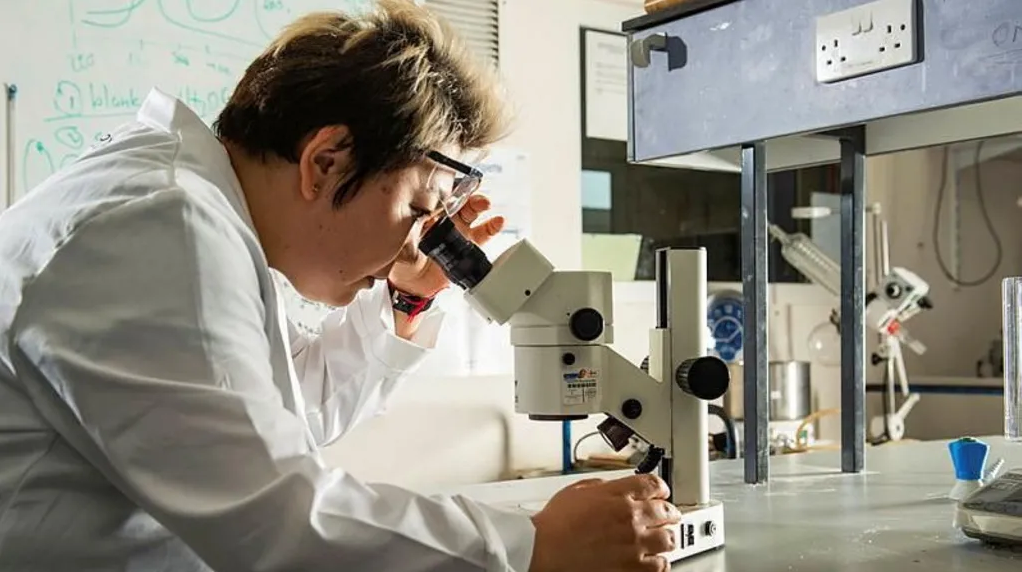 |
Professor of chemistry Asel Sartbaeva of the University of Bath, researching vaccines in the laboratory. Photo: Laurie Lapworth, University of Bath |
The MV Hondius departed from Argentina last month. To date, three confirmed hantavirus cases have been recorded on board, along with several suspected cases.
In its latest update, the World Health Organization (WHO) reported 8 hantavirus cases among individuals who were on the ship, including 3 confirmed and 5 suspected cases. The source of the outbreak remains unknown. It is also unclear if anyone beyond the passenger group on the ship has been infected.
Hantavirus typically spreads through rodents; human-to-human transmission is rare. Both the WHO and the UK Health Security Agency have stated that the risk to the broader community is low. Currently, there is no specific antiviral treatment for hantavirus infection. However, early medical care can significantly improve survival chances.
Supportive measures may include oxygen therapy, mechanical ventilation, or even dialysis. Patients with severe symptoms may require intensive care unit (ICU) treatment.
Van Ha (Source: BBC)


